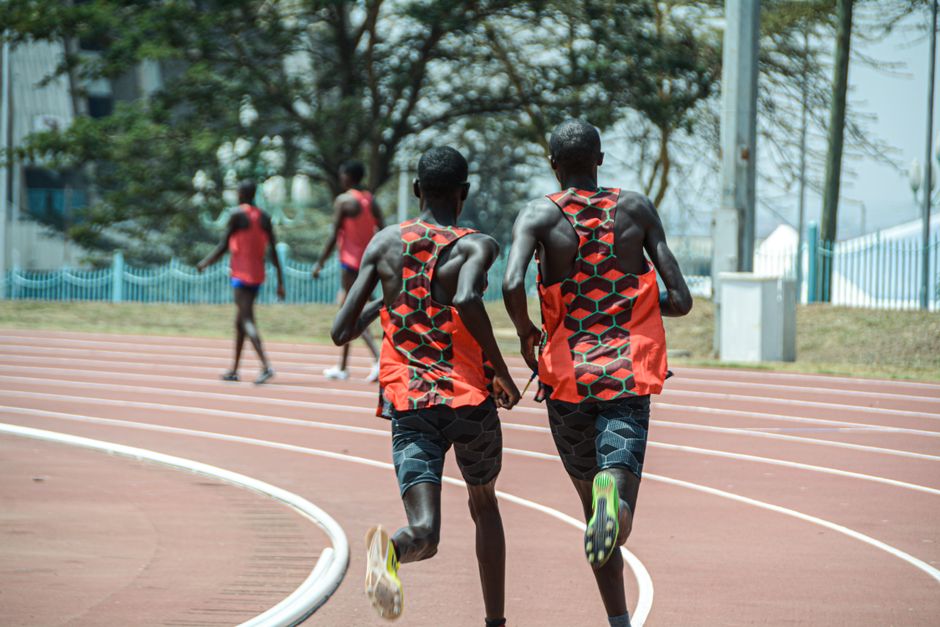
Walk past Uhuru Park on a Saturday morning and you'll see the evidence: dozens of youth training groups, informal running clubs, and neighbourhood football academies. But behind the visible buzz lies a more nuanced story. Recent participation data from grassroots sports organisations across Nairobi reveals that our fitness culture is undergoing a profound transformation—one that challenges assumptions about how young people prioritise health and competition.
According to aggregated figures from clubs operating in Eastleigh, Kilimani, South B, and Kasarani, youth participation in structured grassroots sports increased by approximately 34% between 2023 and early 2026. Yet the breakdown is revealing. Traditional football and athletics clubs—long the backbone of Nairobi's youth development system—saw modest growth of 12-15%, while mixed-sport facilities and digital-integrated training programmes experienced growth exceeding 60%.
"What we're seeing is diversification," explains data from the Nairobi Sports Council's community outreach programme. Monthly membership fees at established neighbourhood clubs now range from Ksh 800 to Ksh 3,500, depending on facility quality and coaching expertise. Yet uptake figures suggest young Nairobians are willing to pay more for flexibility and cross-training options rather than single-sport commitment.
The geographical spread tells its own story. Westlands and Upper Hill now host 18 registered grassroots youth programmes, compared to just seven in 2021. Conversely, traditionally dominant areas like Mathare and Korogocho, despite having deeper football heritage, show slower scaling—a gap that points to infrastructure and accessibility challenges that persist even as interest grows citywide.
Perhaps most striking: data from clubs across the city shows that 58% of participants engage in some form of sport for fitness rather than competitive ambition. A decade ago, grassroots participation was overwhelmingly competition-driven. Today, the wellness narrative dominates. Youth-focused gyms and CrossFit boxes in suburbs like Kilimani report waiting lists, while traditional athletics clubs struggle to fill competitive team rosters despite higher absolute membership numbers.
This shift has practical implications. Community sports officers report rising demand for coaching certifications in functional fitness and injury prevention—skills previously considered secondary. Meanwhile, clubs offering evening sessions between 6pm and 8pm now consistently outperform those with morning-only schedules, reflecting changing school and work patterns among Nairobi's youth.
The numbers suggest our fitness culture has matured. Young Nairobians aren't abandoning sport; they're reshaping it. Whether established grassroots organisations can adapt fast enough remains the pressing question.
This article was compiled by AI and screened before publishing. See our editorial standards.