Grassroots Football Nairobi: Kibera to Kasarani
How Nairobi's grassroots football volunteers build youth sports programs in Kibera, Eastleigh, and Kariobangi—feeding talent into Kenya's formal sporting ecosystem despite severe funding constraints.
How Nairobi's grassroots football volunteers build youth sports programs in Kibera, Eastleigh, and Kariobangi—feeding talent into Kenya's formal sporting ecosystem despite severe funding constraints.
Listen to this article · 3:46
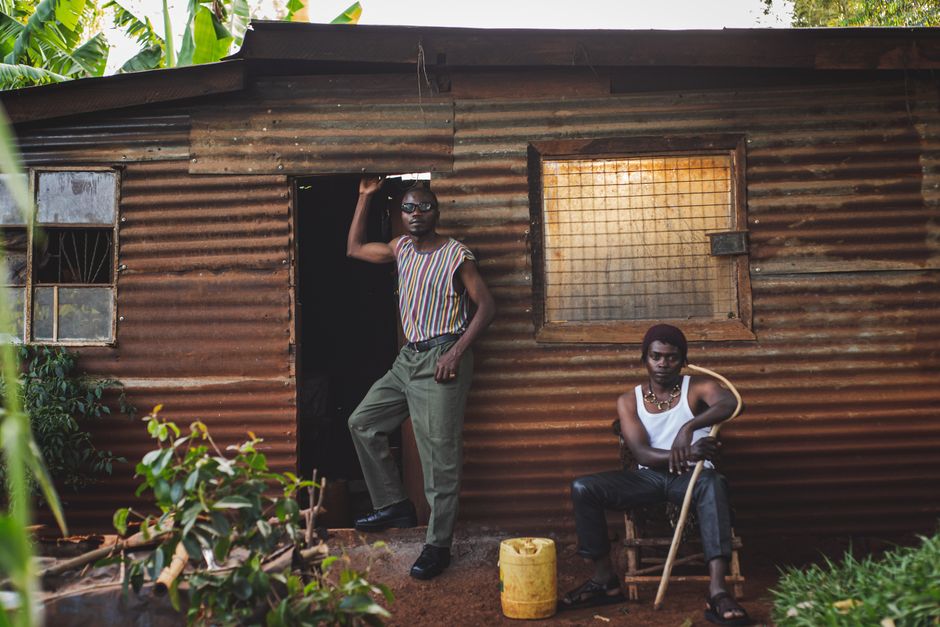
Walk through the narrow lanes of Kibera on any Saturday morning and you'll find them: teenagers in mismatched jerseys kicking worn footballs across compacted earth, their laughter echoing between tin-roofed shelters. This is where Nairobi's sporting heartbeat truly pulses—not in the gleaming stands of Kasarani Stadium or the manicured pitches of the All-Africa Games Village, but in the unglamorous spaces where community sport volunteers have quietly built a movement that feeds thousands of young people into Kenya's formal sporting ecosystem.
"We have nothing here—no grass, no lights, no fees we can afford," says James Kipchoge, who coordinates youth football leagues across Eastleigh and Kariobangi North for a non-profit that operates on donations averaging 2,500 Kenyan shillings monthly per neighbourhood centre. "But we have the passion." His network alone reaches over 800 young athletes across five informal settlements, most of whom will never see the inside of Moi International Sports Centre or Nyayo Stadium unless community tournaments create a pathway.
The paradox is striking. Nairobi hosts world-class venues—Kasarani's 60,000-capacity stadium, the state-of-the-art Safaricom Stadium in Westlands, multiple rugby grounds in Karen and Nairobi School fields—yet grassroots infrastructure remains fractured and underfunded. According to data from the Nairobi Youth Sports Alliance, fewer than 12 per cent of informal settlement youth have access to structured sporting programmes, while registration fees at formal clubs range from 3,000 to 8,000 shillings monthly—prohibitive for families earning less than 400 shillings daily.
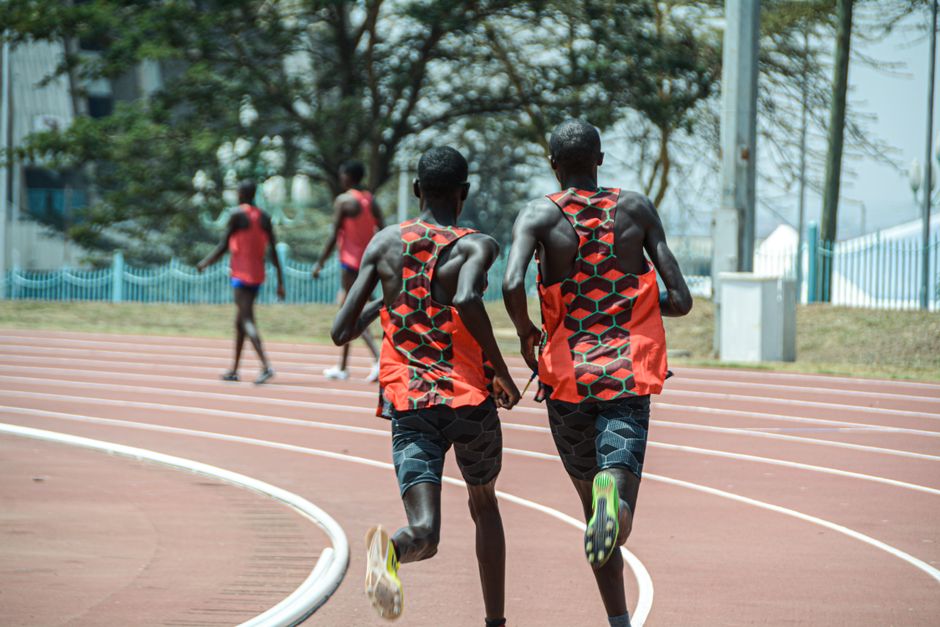
What's remarkable is how community organisers have compensated. In Mathare, Embakasi, and Kawangware, informal networks now rival semi-formal structures in scope. The Nairobi Metropolitan Sports Initiative, a coalition of 47 grassroots organisations, mobilises over 15,000 young people weekly across makeshift pitches, open spaces, and borrowed grounds. They've created their own tournament circuits, coaching academies run by retired athletes, and mentorship systems that cost nearly nothing but deliver measurable results.
"The stadiums are beautiful, but they're not ours," reflects Samuel Ochieng, a volunteer coach in Korogocho for the past eight years. "Our real stadium is the community. When a kid scores here, everyone celebrates. That's what keeps them coming back."
As Nairobi builds toward hosting the 2027 African Athletics Championships at Kasarani, the quiet question lingers: will the city's gleaming venues remain distant monuments, or will they finally invest meaningfully in the grassroots networks that have kept sport alive in the places the city's planners forgot?
This article was compiled by AI and screened before publishing. See our editorial standards.
How does this story make you feel?
Spread the word
About this article
Published by The Daily Nairobi
Daily brief
Free, in your inbox before 7am. Weekdays.
More in Sport