From Kibera to Kasarani: Your Complete Guide to Getting Involved in Nairobi's Football Revolution
Whether you're a street-level player or aspiring fan, here's everything you need to know to join Kenya's most passionate sporting community.
Whether you're a street-level player or aspiring fan, here's everything you need to know to join Kenya's most passionate sporting community.
Listen to this article · 3:39
Football in Nairobi isn't just a game—it's a way of life that cuts across every neighbourhood from Westlands to Mathare, from Karen to Kasarani. If you're thinking about getting involved, whether as a player, supporter, or volunteer, the pathways are clearer than ever.
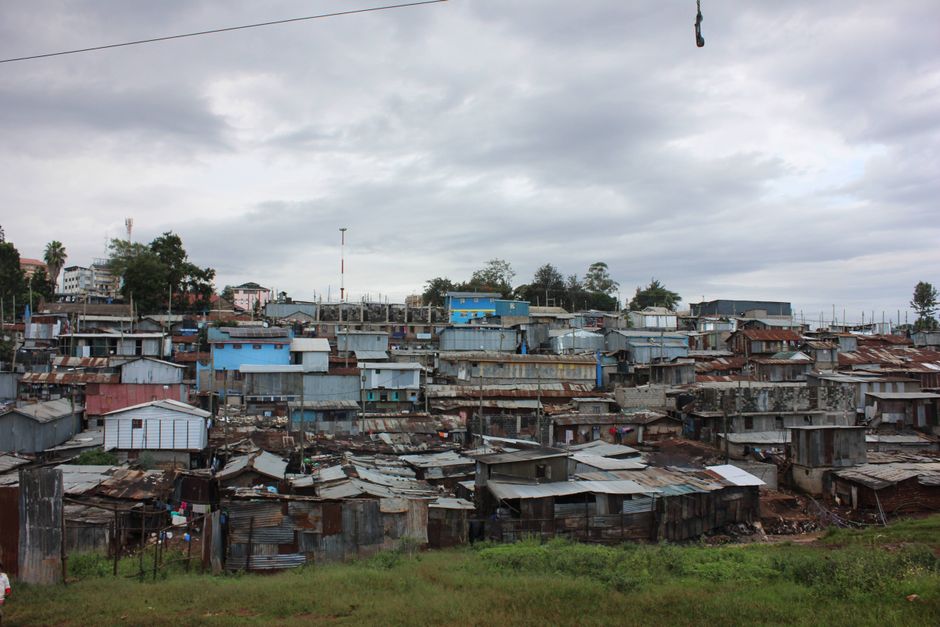
Start with the grassroots. Nairobi's informal leagues operate year-round across public grounds like City Park and in the sprawling open spaces of estates such as Kibera, Mathare, and Dandora. These neighbourhood matches typically happen on weekend mornings and cost nothing to join—just show up with football boots and determination. For more structured entry, the Football Kenya Federation (FKF) oversees registered youth academies across the city. Clubs like Gor Mahia and AFC Leopard run development programmes from their training bases, with monthly fees ranging from 1,500 to 5,000 shillings depending on age group and intensity. Younger players aged 8-16 often find opportunities through school leagues, which remain the traditional pipeline to professional football.
If playing isn't your avenue, supporting offers equal passion. Kenya's top-tier Premier League draws thousands to Kasarani Stadium and the City Stadium in Nairobi's industrial area every weekend. A match ticket costs between 300 and 2,000 shillings depending on seating. The city's two dominant clubs—Gor Mahia and Leopards—inspire fierce but generally good-natured rivalry that defines matchdays across estates and city streets alike. Joining supporter clubs, particularly those organised around major teams, provides community, match updates, and sometimes subsidised transport to away fixtures.
For those interested in the professional path, talent scouts regularly visit academy showcases and league matches. The FKF Junior League, operational since 2019, provides structured competition for under-17 and under-20 categories—your best route to attracting attention from established clubs or international scouts.
Women's football has exploded over the past five years. The Kenya Women's Premier League now features competitive clubs based across Nairobi, with teams recruiting actively. Participation barriers are minimal, and grassroots women's teams operate throughout residential areas.
The investment is modest but real: quality football boots range from 2,000 to 8,000 shillings; training kit costs 1,500-3,000 shillings. Most neighbourhood pitches are free or require nominal facility fees.
Nairobi's football ecosystem is remarkably accessible. Whether your dream involves representing Kenya internationally or simply enjoying weekend matches with friends, the infrastructure exists and welcomes newcomers. The question isn't whether there's room—it's whether you're ready to take your first step.
This article was compiled by AI and screened before publishing. See our editorial standards.
How does this story make you feel?
Spread the word
About this article
Published by The Daily Nairobi
Daily brief
Free, in your inbox before 7am. Weekdays.
More in Sport