Walk through the industrial stretches of Kasarani on any Saturday morning, and you'll encounter Nairobi's unspoken football reality: a city of nearly 5 million people relying on a handful of aging stadiums, makeshift pitches, and increasingly commercialised training academies to develop its footballing talent.
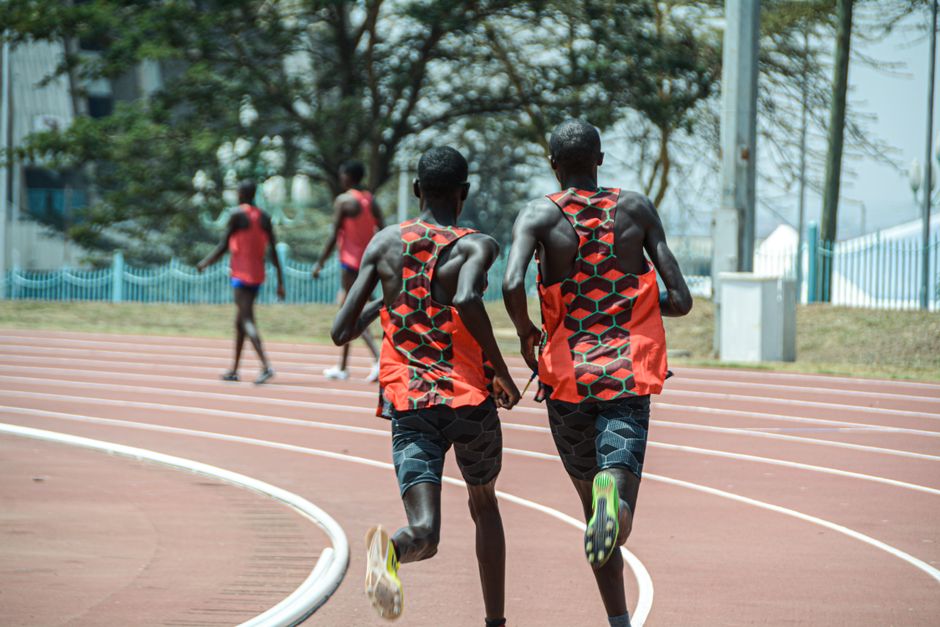
Moi International Sports Centre in Kasarani remains the capital's flagship venue, its 60,000-capacity stadium hosting major fixtures and international matches. Yet maintenance backlogs and inconsistent pitch quality have become recurring frustrations for clubs like AFC Leopards and Gor Mahia, who call it home. Beyond this centrepiece, the landscape fractures rapidly. City Stadium in the Industrial Area serves as an alternative but operates well below optimal conditions, while Nyayo Stadium—once a pride of Nairobi's sporting infrastructure—struggles with ageing facilities and limited investment.
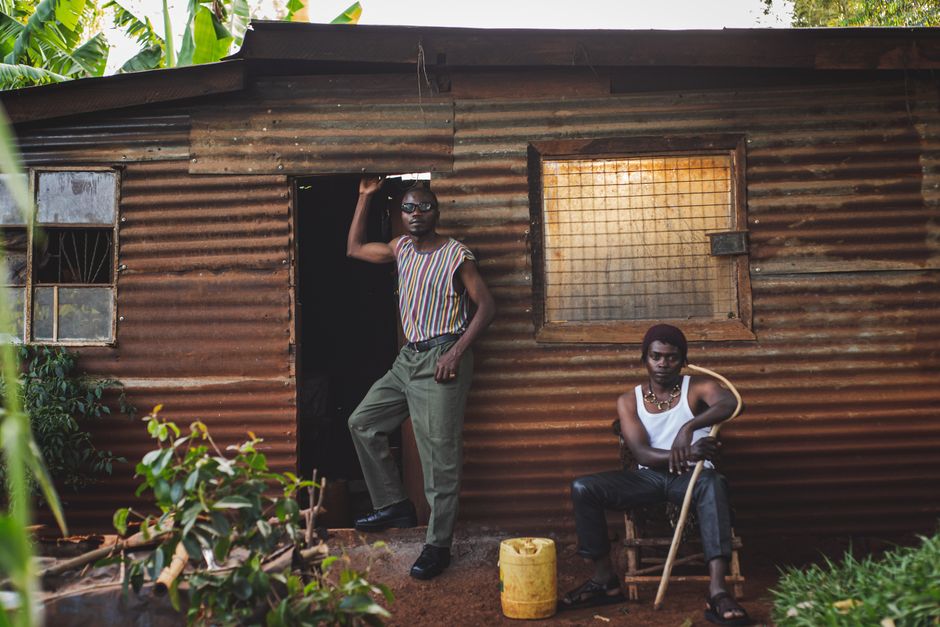
The real story lies in what exists beyond these grand venues. In neighbourhoods like Mathare, Kibera, and Eastleigh, community-run pitches operate on shoestring budgets. Local youth academies—numbering over 200 across greater Nairobi—charge membership fees ranging from 2,000 to 15,000 shillings monthly, placing professional coaching out of reach for many talented youngsters. Yet these grassroots spaces remain essential: they're where tomorrow's professionals learn their craft on dust, gravel, or occasionally, maintained artificial turf.
Private facilities tell a different story. Academies in affluent areas like Lavington, Kilimani, and Nairobi's outer suburbs boast FIFA-standard pitches, professional coaching, and state-of-the-art training equipment—but they cater primarily to families able to afford premium fees. This infrastructure divide has created a two-tiered system: elite academies producing technically polished players, and community pitches producing gritty, street-smart talent.
The Kenya Football Federation has recognized these gaps, with recent initiatives encouraging partnerships between local authorities and private operators to upgrade public pitches. Several wards across Nairobi have seen modest improvements: better floodlighting in Embakasi, pitch resurfacing in Westlands, and drainage system upgrades in Kasarani's satellite grounds.
Yet challenges persist. Pitch maintenance costs, inconsistent government funding, and competing demands for public land have stalled several upgrade projects. As the city's football clubs aspire to continental competition, the infrastructure supporting them remains fragmented—a patchwork reflecting Nairobi's broader development story: ambition restrained by resource constraints, yet sustained by community passion.
For now, the city's footballers train where they can, play where venues allow, and dream on grounds that often deserve better.
This article was compiled by AI and screened before publishing. See our editorial standards.