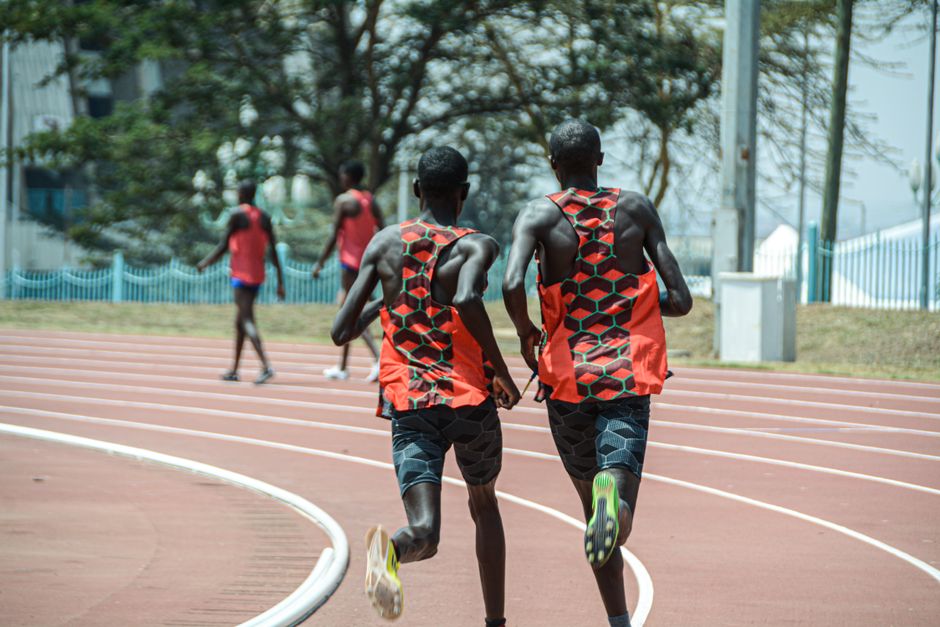
Early morning light filters through the jacaranda trees lining Ngong Road as dozens of runners stretch in the parking lot near the Nairobi Safari Park entrance. It's 5:45 am on a Wednesday, and this informal gathering—part of a broader network of neighbourhood running clubs that has emerged across Nairobi over the past five years—represents something quietly revolutionary: the democratisation of endurance sport in the city.
These grassroots movements have become the backbone of Nairobi's athletic culture. Unlike the professionally-managed elite training camps that produce Kenya's world-class distance runners, these community clubs operate on shoestring budgets, WhatsApp coordination, and volunteer leadership. Yet their impact extends far beyond morning jogs. Clubs operating from Kibera to Langata, from Parklands to Eastleigh, have collectively engaged an estimated 40,000 residents in structured running, cycling, and triathlon training.
The economics tell a compelling story. Monthly membership fees average between 500 and 1,200 shillings—making training accessible to teachers, nurses, and shop owners who might never afford a private coach. Cycling clubs in areas like Karura and the Ngong Hills charge nominal registration fees while pooling resources for safety equipment and basic maintenance workshops. This accessibility has expanded the sport far beyond the traditional running heartland of the Rift Valley.
"What started as five friends meeting at Forest Road in 2019 has grown into 340 active members," explains one Westlands-based cycling collective coordinator, whose group now organises monthly community rides that serve as social and fitness anchors for their neighbourhood. Similar stories repeat across the city: Kibera's emerging triathlon cohort, Valley Road's women-focused running initiative, and the weekend bike trains departing from various points toward Ngong Hills.
The ripple effects extend beyond participation numbers. These clubs have created pathways for talent identification, mentorship networks, and, critically, spaces where women and youth can engage in sport safely and affordably. Several participants have progressed to competitive racing; others have simply integrated fitness into daily life.
What makes this movement distinctly Nairobian is its organic growth—unplanned, ungoverned by formal federations initially, but deeply rooted in neighbourhood identity. Unlike the top-down sporting infrastructure of previous decades, these grassroots clubs emerge from genuine community need and social connection.
As Nairobi positions itself as a leading African sporting hub, the city's true competitive advantage may not lie in stadium capacity or international sponsorships. Instead, it rests on these morning gatherings, weekend rides, and neighbourhood support networks—the genuine foundation upon which sustainable athletic culture is built.
This article was compiled by AI and screened before publishing. See our editorial standards.