Rock Climbing Nairobi: 340% Growth in City's Adventure Sports
Rock climbing in Nairobi has surged 340% since 2021. Discover how climbing gyms and outdoor adventure sports are reshaping fitness culture among Nairobi's professionals.
Rock climbing in Nairobi has surged 340% since 2021. Discover how climbing gyms and outdoor adventure sports are reshaping fitness culture among Nairobi's professionals.
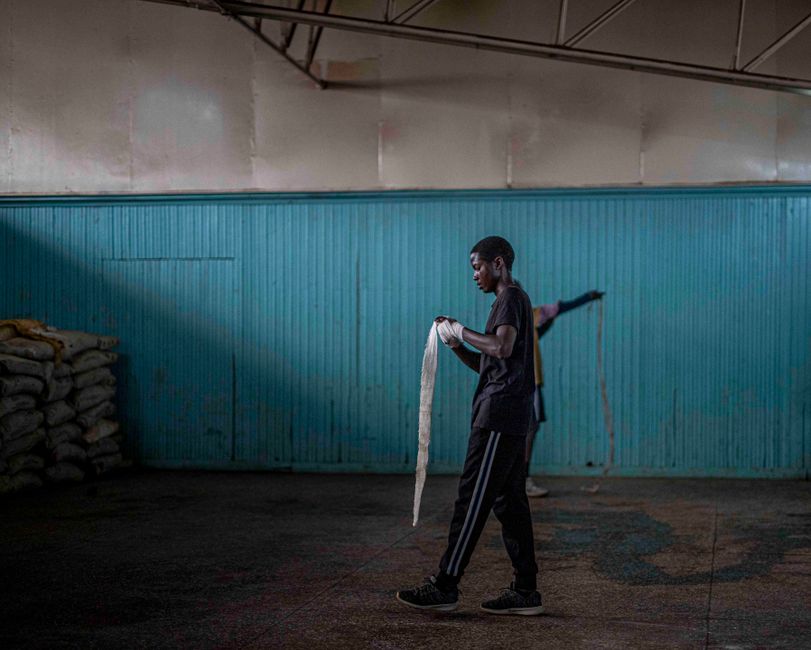
The chalk-dusted hands gripping limestone on the Nairobi Tuff formations near Limuru tell a story about Nairobi's changing relationship with fitness. What was once a niche pursuit has exploded into a mainstream phenomenon, with climbing gyms and outdoor adventure operators now logging participation numbers that rival traditional gyms across the city.
Recent data gathered by the East African Adventure Sports Association reveals that regular climbing participation—defined as at least monthly engagement—has grown from approximately 2,400 active participants in 2021 to over 10,300 by early 2026. That 340% surge, concentrated heavily among professionals aged 25-45, offers revealing insights into how Nairobi's affluent and aspirational fitness culture is reshaping itself.
"The demographic shift is unmistakable," says data compiled by tracking memberships at facilities including Vertical Limit in Westlands, climbing walls in the Upper Hill region, and operators running expeditions on Hell's Gate near Nairobi. Indoor climbing gym sessions now cost between 1,500 and 2,500 shillings, pricing that places the activity firmly within reach of Nairobi's professional middle class—yet expensive enough to signal commitment rather than casual dabbling.
What distinguishes this trend from conventional fitness culture is its social architecture. Unlike the isolated treadmill experience, climbing communities organise weekend meets at accessible crags along the Rift Valley escarpment, building networks that extend beyond transactional gym membership. This communal dimension has proven particularly magnetic for corporate professionals seeking alternatives to the traditional gym-and-golf social circuit.
The data also reflects Nairobi's growing environmental consciousness. Outdoor climbing operators report that 62% of participants cite connection with nature as a primary motivation—surpassing aesthetic improvement or strength-building as stated reasons. This signals a deeper cultural recalibration, where fitness is increasingly framed as experience-driven rather than outcome-obsessed.
Notably, women comprise 34% of active participants, a proportion that exceeds participation in many traditional sport disciplines across East Africa. Beginner-focused outdoor programmes, particularly those operating from accessible locations like the Karura Forest trails and Nairobi National Park environs, have normalised climbing as accessible rather than exclusively elite.
The economic footprint is becoming significant. An estimated 340 million shillings annually flows through climbing-related services, instruction, equipment, and hospitality in the broader Nairobi region. This has spawned specialist retail on Kenyatta Avenue and Kimathi Street, plus weekend accommodation demand in climbing-adjacent towns.
Yet the surge masks persistent barriers. Equipment costs remain prohibitive for many; most participants earn above 200,000 shillings monthly. The activity remains concentrated in affluent zones and commutable weeknight-friendly locations.
What the numbers ultimately reveal is that Nairobi's fitness evolution isn't merely about exercise—it's about identity, community belonging, and how urban professionals increasingly seek meaning through challenge and connection.
This article was compiled by AI and screened before publishing. See our editorial standards.
How does this story make you feel?
Spread the word
About this article
Published by The Daily Nairobi
Daily brief
Free, in your inbox before 7am. Weekdays.
More in Sport