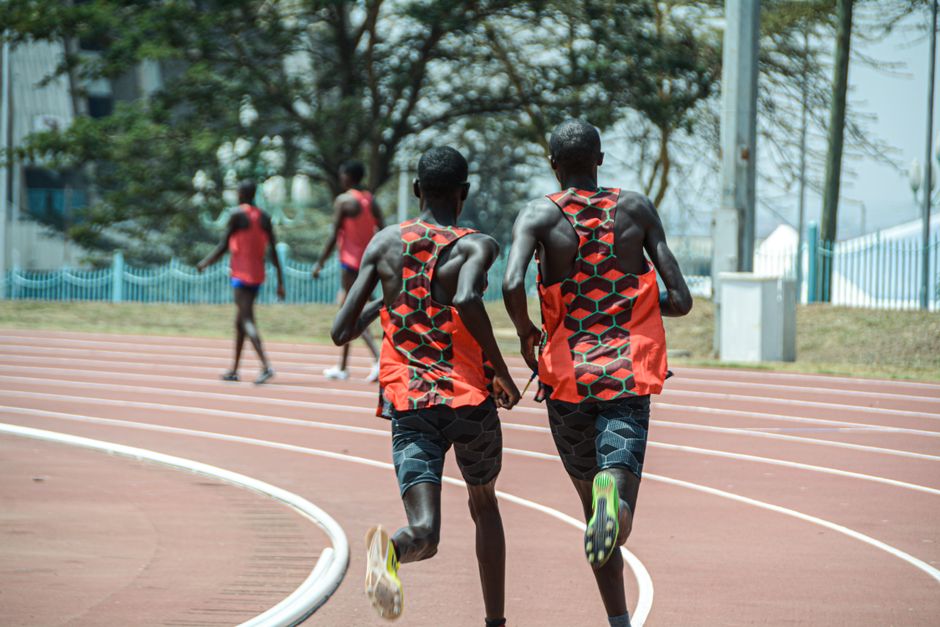
Walk past Nairobi's Ngong Road Sports Club on a Saturday morning and you'll witness the infrastructure squeeze firsthand: three football pitches hosting upwards of 400 players across eight amateur leagues, shared facilities designed for half that capacity, and a waiting list of clubs unable to secure regular training grounds.
The story mirrors a broader challenge facing Nairobi's recreational sports ecosystem. Over the past five years, membership in amateur football, volleyball, and netball leagues has grown by an estimated 120 percent, according to informal surveys by the Nairobi Sports Federation. Yet the city's public and semi-private venues—Mombasa Road's aging multipurpose stadium, Karen Club's limited pitches, and scattered grounds in Westlands, Kilimani, and Industrial Area—have largely stagnated in capacity and maintenance.
"We've simply run out of space," says the operations coordinator for one established amateur football league, speaking on condition of anonymity. "Clubs are now sharing time slots, sometimes playing matches at 6 a.m. or 10 p.m. to avoid conflicts."
The economics tell part of the story. Monthly pitch rental in central Nairobi ranges from 8,000 to 15,000 shillings—a significant barrier for grassroots clubs operating on thin margins of membership fees. Suburban venues like those near Ongata Rongai or Kitisuru offer cheaper alternatives, but transportation costs and travel time deter many players, particularly those juggling day jobs.
Private initiatives are filling some gaps. Gated communities in Kileleshwa and Runda have invested in dedicated courts and pitches, though access remains restricted to residents and members. Meanwhile, several NGOs have partnered with local authorities to rehabilitate school grounds for evening and weekend use—a model showing promise but lacking systematic coordination across the city.
The infrastructure deficit has real consequences. Younger players gravitate toward better-resourced clubs, concentrating talent and widening competitive disparities. Training quality suffers when teams share poorly lit pitches with inadequate changing facilities. Injury prevention standards slip when medical support and maintenance fall below acceptable levels.
City planners have begun acknowledging the issue. A 2025 county sports development strategy identified recreational facility expansion as a priority, with proposals for renovation of underutilized grounds in Eastleigh and Embakasi. Yet implementation timelines remain unclear, and funding commitments uncertain.
For now, Nairobi's amateur sports clubs continue improvising—scheduling matches around school calendars, negotiating with property owners, and pooling resources to maintain their playing spaces. The city's sporting culture thrives despite infrastructure constraints, but without deliberate investment in facilities, that resilience may soon reach its limit.
This article was compiled by AI and screened before publishing. See our editorial standards.