Running Clubs in Nairobi: Local Fitness Communities
Discover Nairobi's fastest-growing running, cycling and triathlon clubs transforming fitness culture across Westlands, Ngong and Uhuru Park with affordable training.
Discover Nairobi's fastest-growing running, cycling and triathlon clubs transforming fitness culture across Westlands, Ngong and Uhuru Park with affordable training.
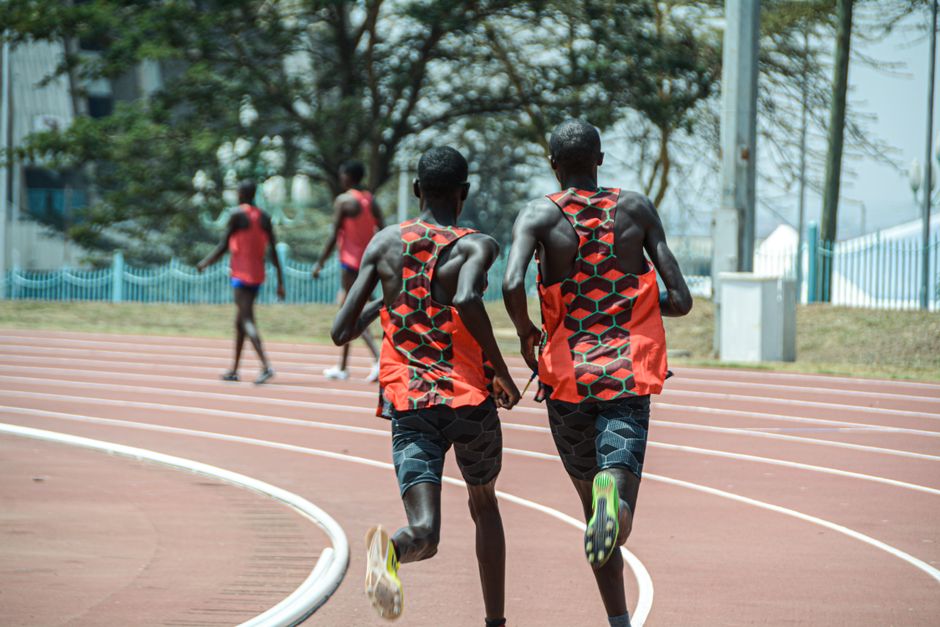
The early morning air along Ngong Road carries the rhythmic percussion of trainers hitting tarmac. By 6:30 AM on any given Saturday, dozens of runners converge at the Nairobi Athletic Club's headquarters, their numbers swelling year on year. This scene—replicated across parks, estates and cycling routes throughout the capital—reflects a quiet revolution in how Nairobi's endurance sports community is reshaping itself from the ground up.
Local running clubs have become the backbone of this transformation. Clubs like Nairobi Running Club, based near Uhuru Park, have grown their membership to over 800 active participants, with weekly group runs organised by pace and experience level. Training fees typically range from 500 to 1,500 shillings monthly, making membership accessible to serious hobbyists. The democratisation of distance running has moved beyond elite marathon training; it now encompasses families, corporate teams, and neighbourhood cohorts discovering collective purpose through sport.
Cycling communities tell a similar story. The Nairobi Cycling Association reports membership growth of 35 per cent over the past three years, with dedicated routes now established through Runda, Kilimani and down towards Karen. Weekend group rides attract commuters seeking alternative transport alongside fitness enthusiasts, creating infrastructure advocacy that extends beyond sport into urban planning conversations.
Triathlon, traditionally viewed as niche, is experiencing surprising grassroots expansion. Clubs like Nairobi Triathlon Club have introduced beginner-friendly training schedules at facilities around Westlands and Thika Road, recognising that the sport's barrier to entry—equipment costs, facility access—can be lowered through collective knowledge-sharing and mentorship structures. Entry-level participation fees start at 2,000 shillings monthly.
What distinguishes this endurance boom is its social architecture. These clubs function as more than training venues. They've become spaces where professionals, students and retirees intersect. Community service initiatives—from organising charity runs benefiting local hospitals to coordinating road safety advocacy—embed these clubs into the broader fabric of Nairobi life. Several clubs now host nutrition workshops, mental health seminars and injury prevention clinics, recognising that sustainable endurance culture requires holistic support systems.
The ripple effects extend to local businesses. Coffee shops in Kilimani and Westlands now cater specifically to post-run social gatherings. Physiotherapy clinics and running specialty retailers have emerged to meet growing demand. Corporate sponsorship has followed, with both multinational and Kenyan companies recognising these communities as authentic touchpoints for brand engagement.
As Nairobi continues evolving, these endurance sports clubs demonstrate how hyperlocal organisation creates resilient, inclusive communities—proving that fitness infrastructure, when built thoughtfully, transcends sport itself.
This article was compiled by AI and screened before publishing. See our editorial standards.
How does this story make you feel?
Spread the word
About this article
Published by The Daily Nairobi
Daily brief
Free, in your inbox before 7am. Weekdays.
More in Sport