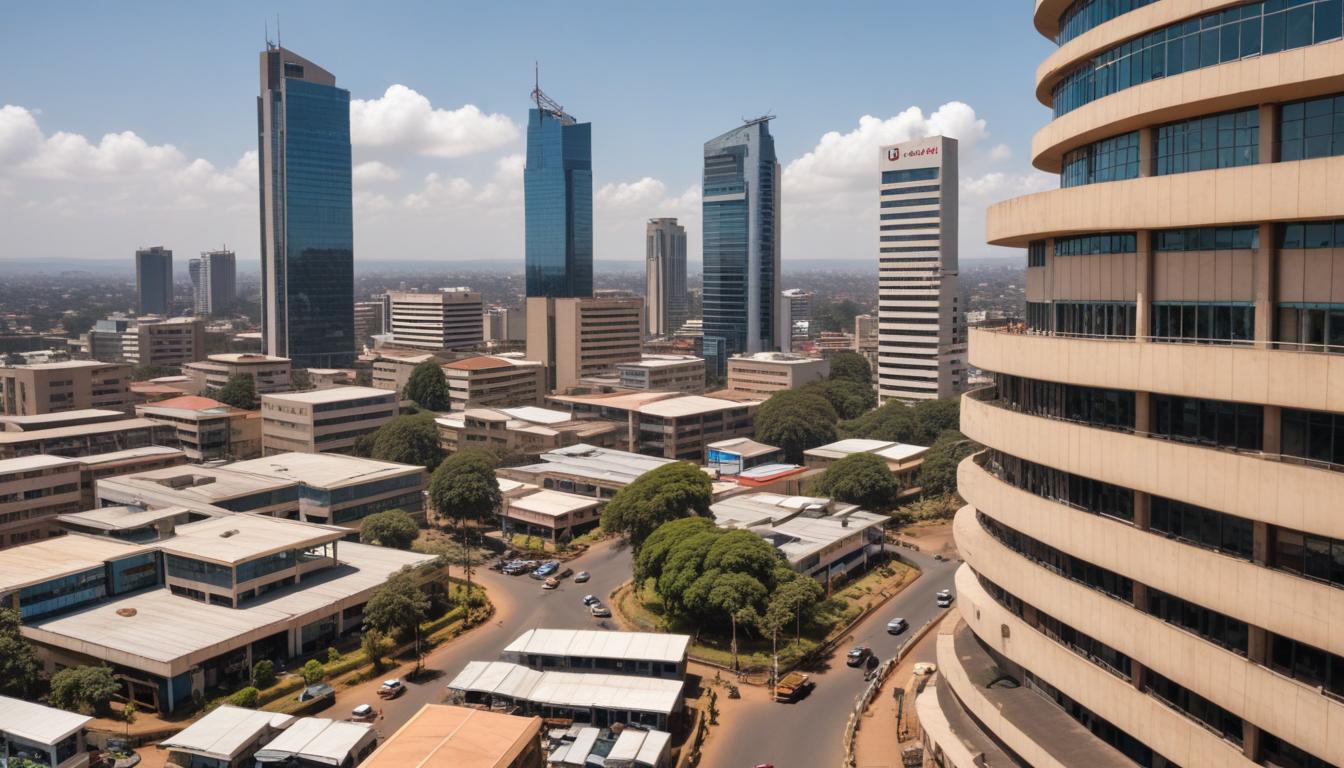
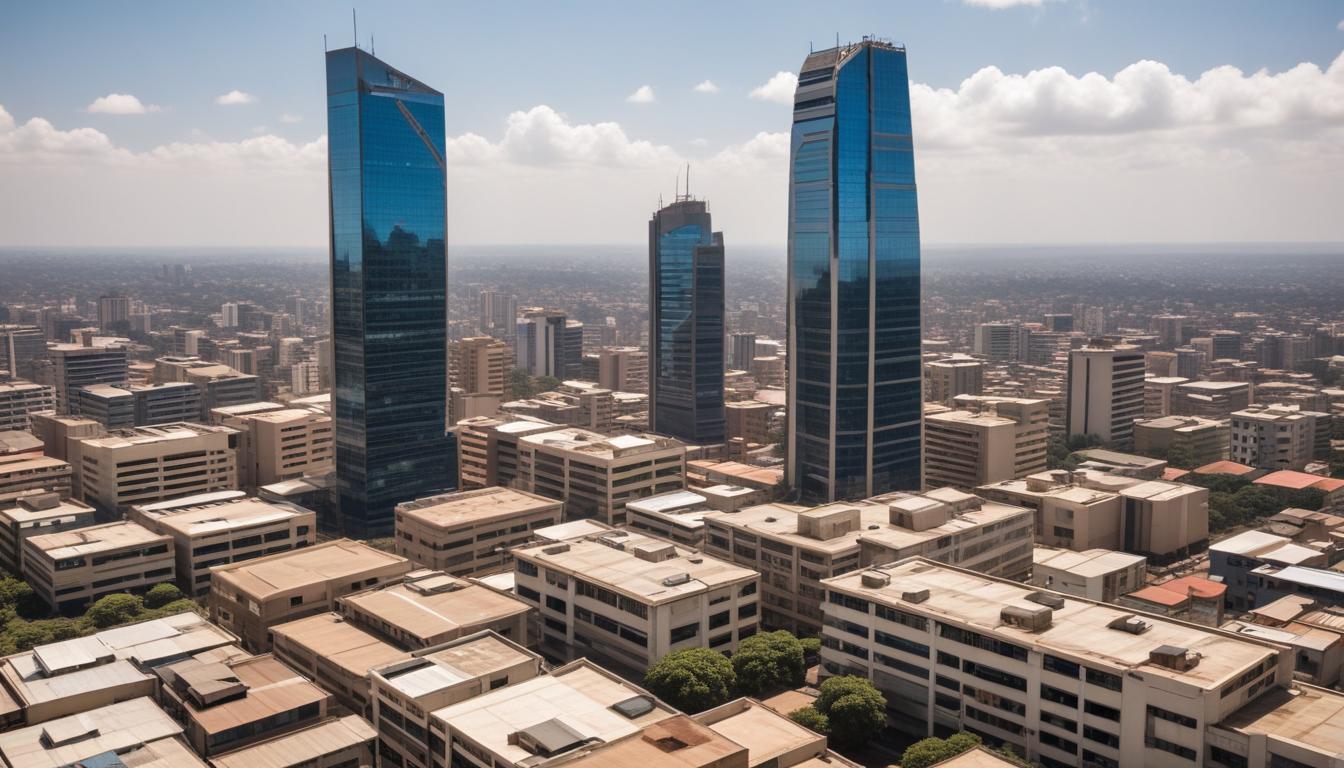
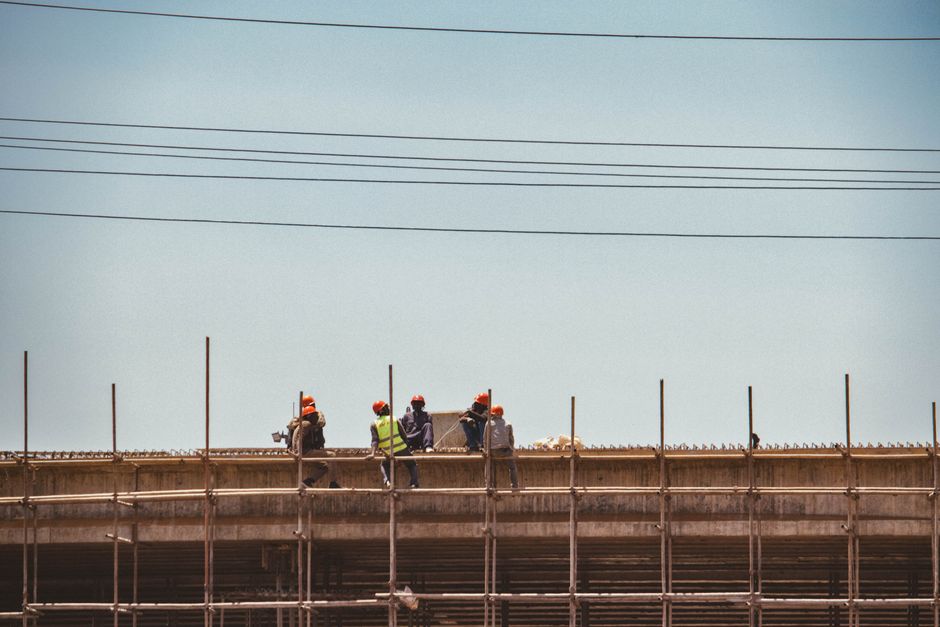
The numbers tell a stark story. A one-bedroom apartment in Westlands now commands an average of Sh85,000 monthly—up from Sh72,000 in 2024. In Karen, where middle-class families have traditionally sought refuge from central Nairobi's congestion, similar units rent for Sh95,000. Meanwhile, developers and institutional investors who anticipated this squeeze are reaping substantial gains, even as the gap between housing supply and demand widens.
The opportunity lies in plain sight: Nairobi's population continues its relentless climb toward 5 million, yet residential construction has failed to keep pace. Property consultancy firms estimate a shortfall of approximately 250,000 housing units across all income brackets. For investors already positioned in the market—particularly those who secured land in emerging suburbs like Kahawa West, Utawala, and Ruai five years ago—the returns have been extraordinary.
"What we're seeing is a bifurcated market," explains the perspective of real estate analysts tracking the sector. Large-scale developers with access to capital have accelerated projects in Nairobi's periphery, where land remains relatively affordable. A plot in Mlolongo that sold for Sh2.5 million in 2021 now fetches Sh4.2 million. Completed units in these areas, marketed as affordable housing, sell at Sh4.5 million to Sh6.5 million—prices that remain out of reach for most middle-income earners yet attractive to investors seeking rental yields of 8-12% annually.
The beneficiaries extend beyond individual property owners. Institutional investors—pension funds, insurance companies, and real estate investment trusts—have substantially increased their exposure to Nairobi's residential sector. Equity Group Holdings and other financial institutions have launched housing finance products specifically designed to capture this moment, betting that demand will remain robust even if interest rates fluctuate.
For ordinary Nairobians, however, the opportunity looks different. Rental affordability has deteriorated markedly. A household earning Sh150,000 monthly now dedicates roughly 40% of income to rent—well above the recommended 30% threshold. This squeeze has pushed workers further from employment hubs along Waiyaki Way and the CBD, extending commute times and eroding quality of life.
Government initiatives targeting affordable housing in areas like Kajiado and Machakos aim to ease pressure, but delivery timelines remain uncertain. Meanwhile, those with capital to deploy—whether foreign investors, local developers, or financially secure Kenyans—continue positioning themselves to benefit from a structural imbalance unlikely to resolve within the next three to five years. The housing crisis, in other words, remains a wealth-creation opportunity for those already ahead.
This article was compiled by AI from the sources linked above and screened before publishing. See our editorial standards.