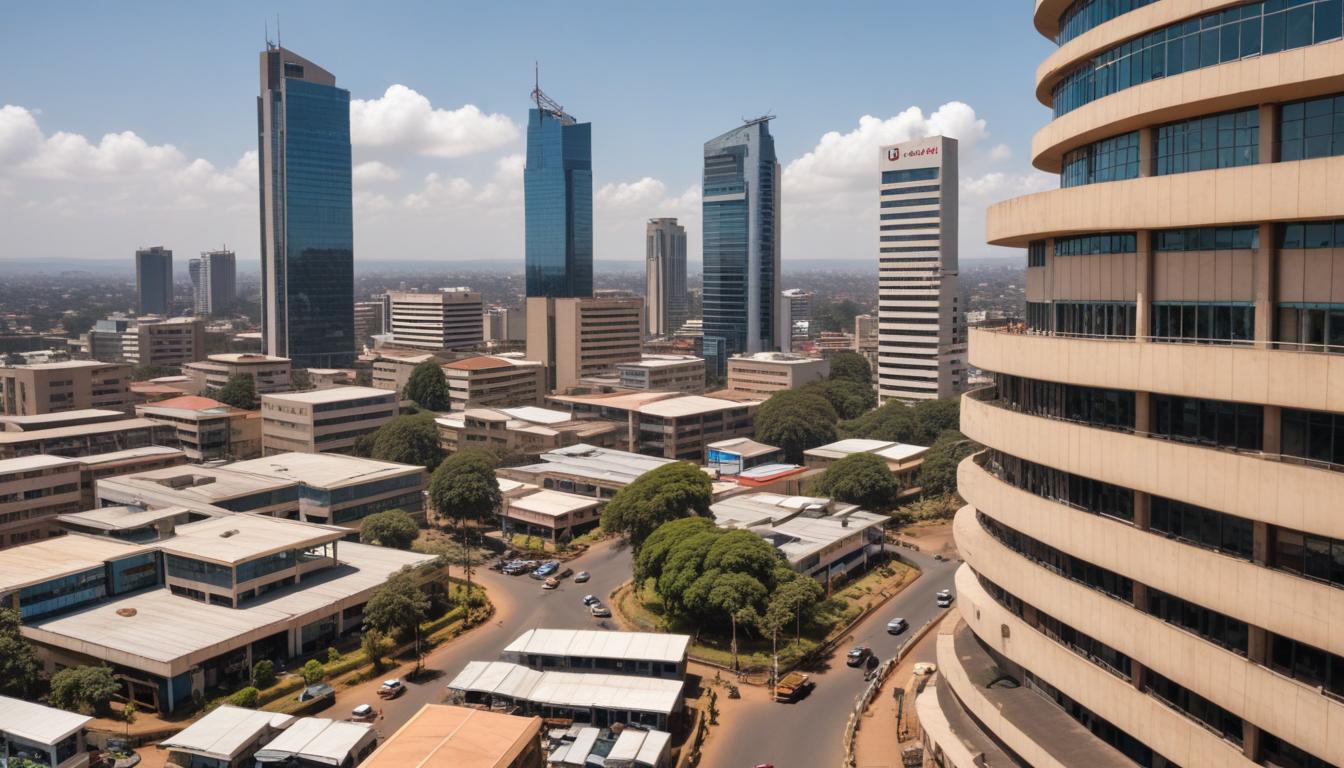
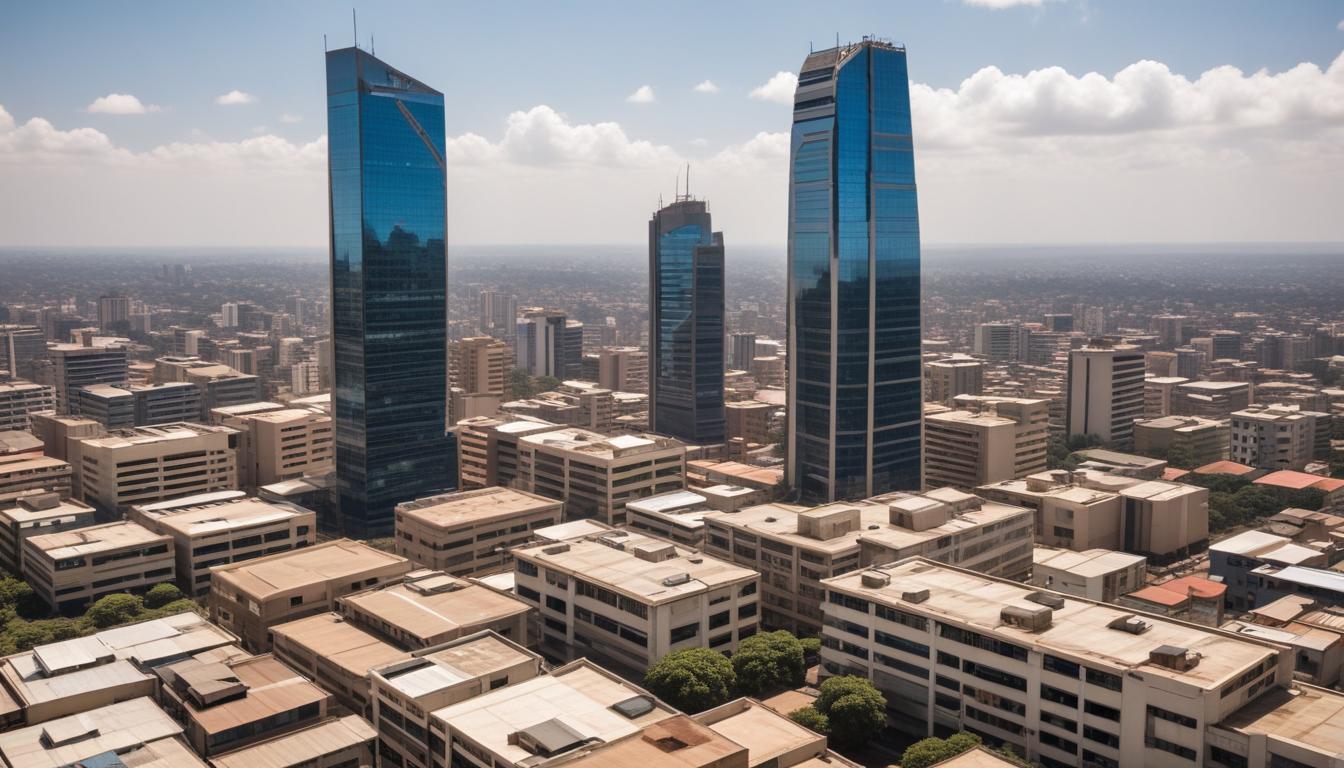
Nairobi's tourism sector is experiencing a quiet renaissance that extends far beyond the traditional safari operator circuit. International arrivals to Kenya have climbed steadily through 2025 and into 2026, with Tourism Board data showing a 23% year-on-year increase in visitors choosing to spend time in the capital rather than heading directly upcountry. For savvy business operators across Westlands, Karen, and the revitalized Nairobi River precinct, this shift represents a genuine windfall.
The opportunity is most visible in the hospitality ecosystem surrounding Nairobi's cultural attractions. The Giraffe Centre in Karen continues to draw crowds willing to pay 2,500 KES per visit, while the David Sheldrick Wildlife Trust facility in the National Park has expanded its visitor capacity. But the real growth is happening in boutique accommodation and experiential tourism. Small hotel operators in Kilimani and Upper Hill report occupancy rates climbing toward 75% during peak months—a threshold many thought unrealistic five years ago.
Street-level entrepreneurs have also recognized the moment. The Nairobi River precinct regeneration project has created opportunities for food vendors, artisanal retailers, and tour guides offering walking experiences through renovated sections of the city. Operators running organized tours through the Karen Blixen Museum and the Railway Museum report sustained demand, with pricing holding firm at 1,500–3,000 KES per person.
What's driving this? Partly geopolitical. Instability across the Middle East and shifting travel patterns from traditional tourism hotspots have made East Africa more appealing to visitors from North America and Europe. Additionally, the rise of "bleisure" travel—blending business with leisure—means corporate visitors are extending stays and exploring Nairobi's dining and creative scenes, particularly around Westlands and the Arts Hub spaces in Ziwani.
The winners so far cluster in specific segments. Mid-range guesthouse operators have benefited more than luxury chains. Local tour companies focusing on heritage and cultural experiences have outpaced those still dependent solely on safari commissions. And service providers—drivers, cooks, guides, artisans—working with incoming tourism operators report more consistent work.
However, challenges remain. Infrastructure bottlenecks around Jomo Kenyatta International Airport and inconsistent road conditions to peripheral attractions still frustrate operators. Accommodation standards vary widely, and coordination between tourism stakeholders remains fragmented. Yet for operators who've invested in quality experiences and marketed effectively to international platforms, Nairobi's emerging tourism moment is delivering returns that justify the risk.
This article was compiled by AI from the sources linked above and screened before publishing. See our editorial standards.