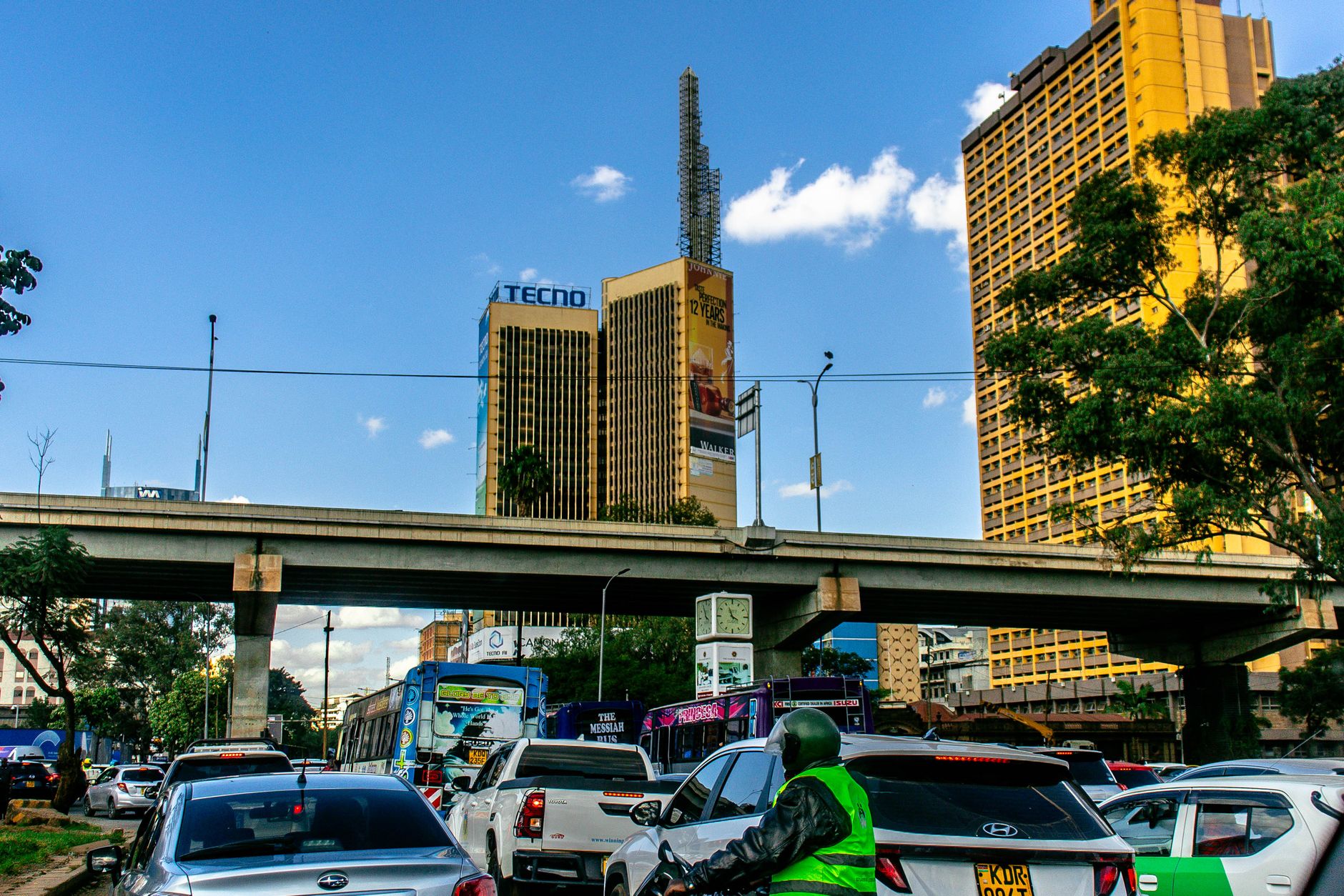
The boutique hotels lining Westlands' tree-lined avenues and the tour operators clustered around the Safari Park Hotel in Nairobi's central business district are bracing for what promises to be an unusually volatile tourism season. With geopolitical tensions escalating globally—from Middle Eastern instability to disease outbreaks in neighbouring regions—Nairobi's visitor economy faces headwinds that local business owners say are already reshaping travel patterns and booking behaviours in real time.
The numbers tell the story. Nairobi's tourism sector, which typically sees a 15-20 per cent uptick in European and North American visitors during mid-year months, is experiencing softer demand. Hotel occupancy rates in prime areas like Upper Hill and Karen have settled at around 68 per cent, down from the historical 78-82 per cent benchmark for June, according to hospitality sector analysts. The average room rate at mid-range establishments—typically Ksh 8,000-12,000 per night—has remained flat even as operators grapple with higher operational costs.
For tour operators concentrated around the Hilton and Serena hotels, the uncertainty translates directly into commission losses and staffing challenges. Travel advisories issued in recent weeks—particularly regarding regional health concerns affecting neighbouring countries—have prompted cautious travellers to postpone or reschedule East African safaris. This ripple effect has reached restaurants in Nairobi's dining hotspots, from Westlands to Kilimani, where foot traffic from international visitors has noticeably declined.
The cascading impact extends to smaller businesses. Transportation companies, craft retailers in the Nairobi National Museum precinct, and guide services that depend on steady visitor flows are all feeling the squeeze. Some operators report rescheduling staff shifts or temporarily reducing hours.
Yet there are silver linings. Crisis periods historically redirect travellers toward perceived stability. Nairobi's reputation as East Africa's most secure major city has begun attracting visitors abandoning other African destinations. Additionally, domestic tourism from Kenya's own middle class—increasingly exploring local attractions—is providing a partial buffer. Nairobihotels.com and similar booking platforms report growing interest from Kenyan tourists exploring properties they've overlooked in favour of international travel.
Business leaders acknowledge the sector requires agility. Some hotels are pivoting toward corporate events and regional conferences to stabilise revenue. Tour operators are bundling packages with competitive pricing to incentivise bookings despite headlines.
The current environment underscores a hard truth for Nairobi's tourism ecosystem: prosperity depends not merely on local competence or marketing prowess, but on global stability. Until geopolitical and health-related uncertainties ease, Kenya's capital will continue operating with one eye on international headlines.
This article was compiled by AI from the sources linked above and screened before publishing. See our editorial standards.