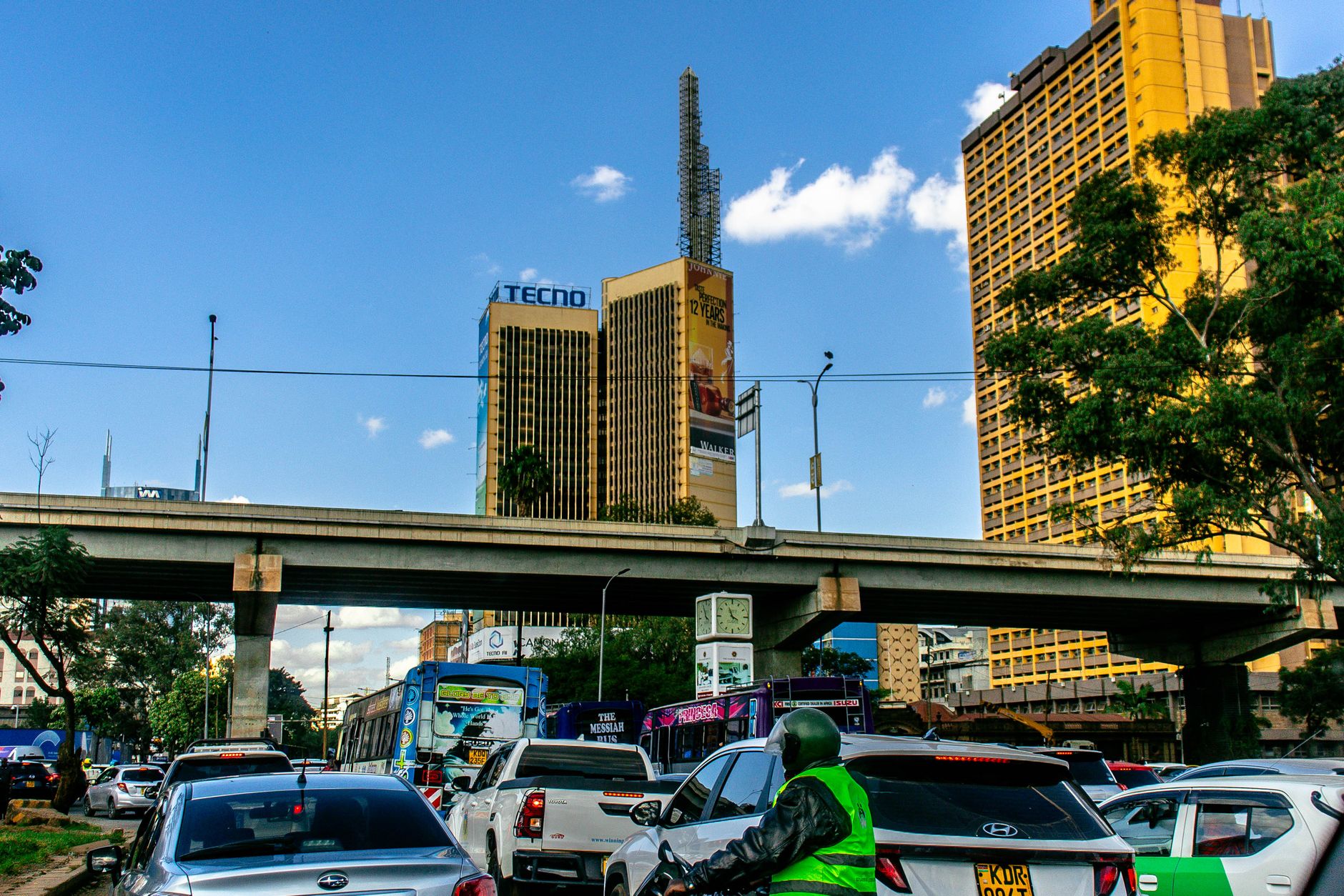
Nairobi's commercial property market is experiencing a sharp recalibration. After three years of pandemic-induced uncertainty, the office sector is rebounding—but not evenly. The winners are those who understood that flexibility, location, and sustainability now command premium rents.
The trend is most visible along Chiromo Lane and the Upper Hill corridor, where Grade A office space that could barely command Sh80,000 per square metre in 2023 now leases at Sh110,000 to Sh140,000. Developers who invested in modern HVAC systems, high-speed fibre connectivity, and collaborative open-plan layouts are reporting occupancy rates above 95%. By contrast, older office buildings in less connected areas—particularly around Kenyatta Avenue—are struggling to fill even 70% of available space.
The driver is clear: multinational corporations and fast-growing tech firms are consolidating rather than expanding their footprint. Instead of occupying three floors of outdated space, they're clustering into smaller, smarter offices in Westlands and the emerging tech hubs near the Innovation Hub along Ngong Road. This has created a rare opportunity for mid-sized property owners who can rapidly modernise their assets.
"Organisations that invested in retrofit programmes two years ago are now seeing that investment repay itself," observes the Nairobi property market's established trajectory. Building owners along Valley Road and in the Kilimani neighbourhood who added hot-desking facilities and upgraded their cloud infrastructure are particularly well-positioned. Several have reported lease renewals at 15-20% premiums compared to 2024 contracts.
The secondary market is also stirring. Developers are breaking ground in previously overlooked areas like Lower Kabete and sections of Runda, betting that white-collar professionals will accept longer commutes in exchange for newer, cheaper office space—a pattern already evident in the uptake at business parks along the Southern Bypass.
Yet headwinds persist. Rising construction costs, fuelled by import tariffs and the depreciation of the shilling against the dollar, mean new supply remains constrained. This scarcity is sustaining prices despite Kenya's broader economic pressures. A handful of commercial real estate investment trusts and medium-sized developers have captured most of the upside, while small landlords without capital for upgrades face continued pressure.
The opportunity window, however, remains open—but narrowing. Investors who act within the next twelve to eighteen months to reposition vacant or semi-occupied space in accessible neighbourhoods could still capture meaningful returns. Those sitting idle risk being left behind as Nairobi's office market evolves from post-pandemic chaos into a new, leaner equilibrium.
This article was compiled by AI from the sources linked above and screened before publishing. See our editorial standards.