Tourism isn't abstract economics—it's the reason Nairobi's hospitality sector employs over 180,000 people directly, and why your commute on Mombasa Road changes seasonally. Yet most residents misunderstand what the visitor economy actually delivers to their lives.
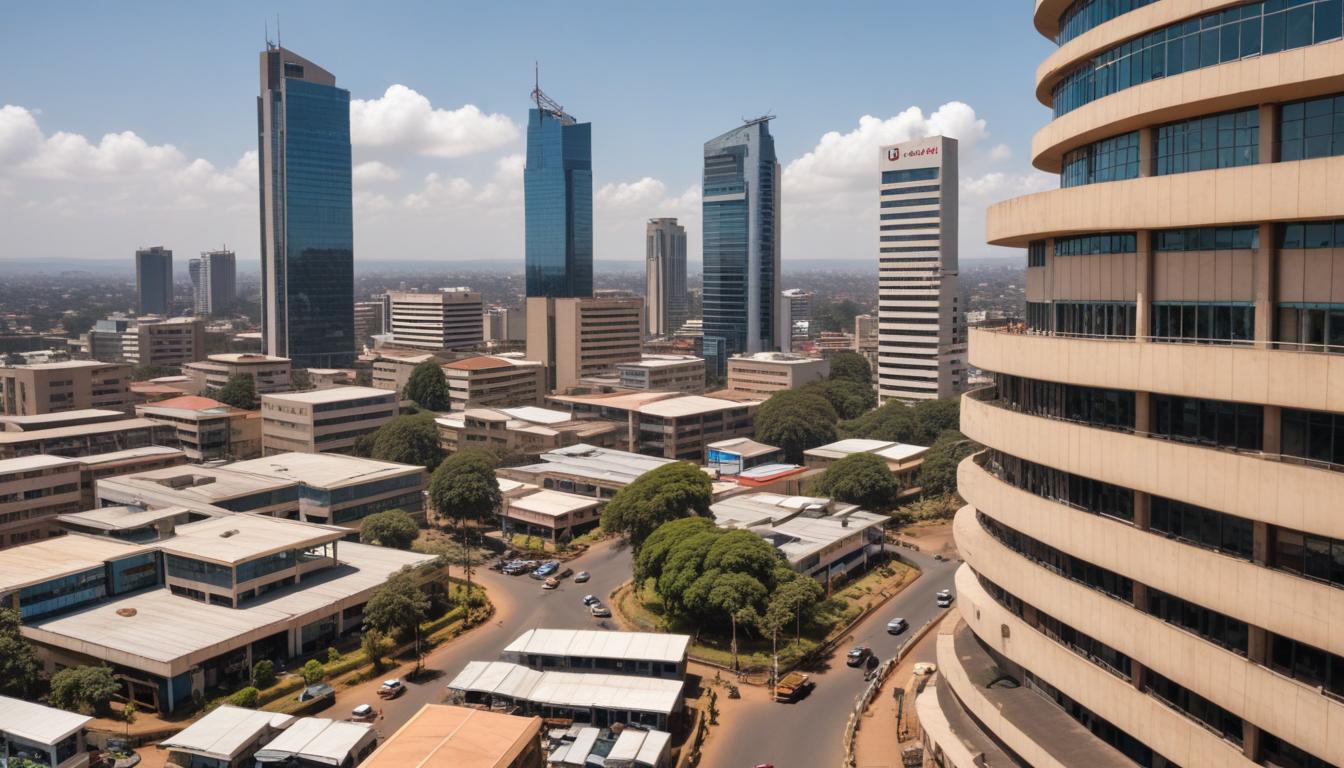
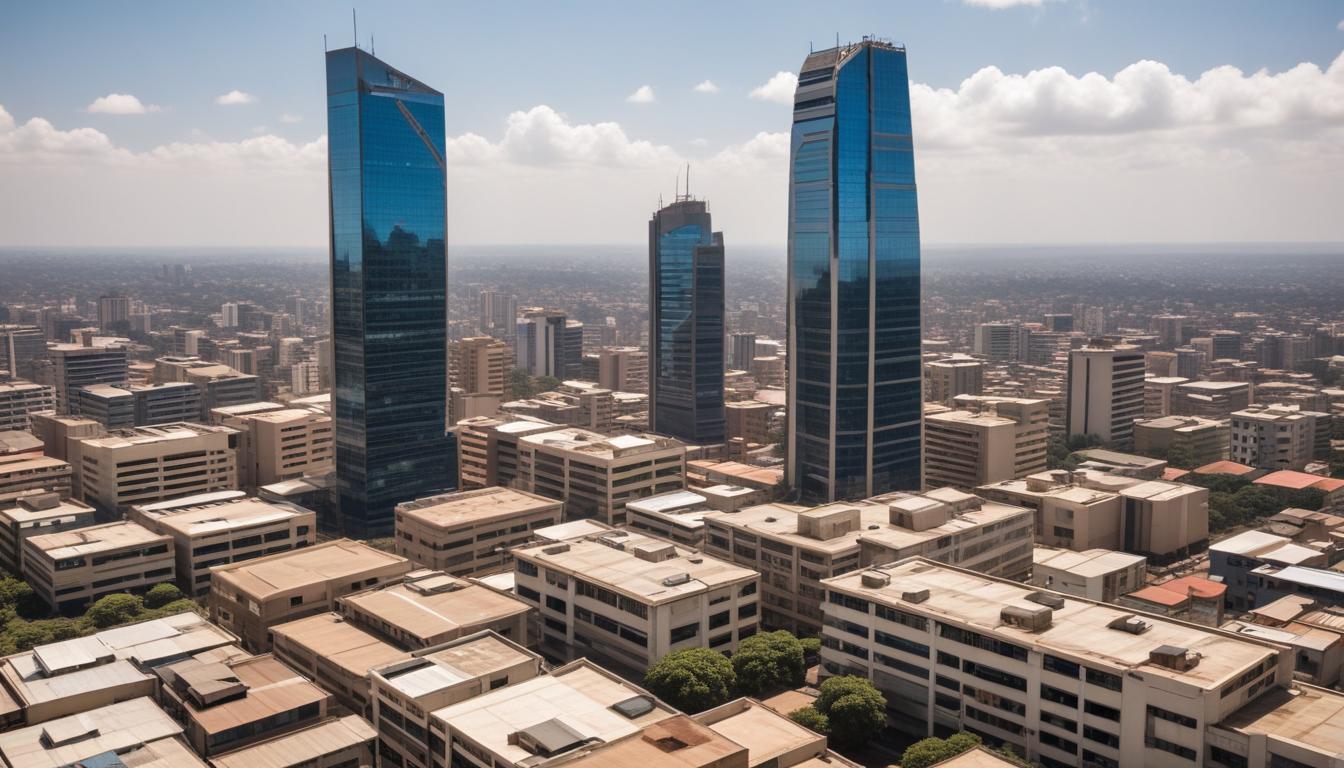
Last year, Nairobi attracted approximately 1.9 million international visitors, generating roughly Ksh250 billion in tourism revenue. That sounds impressive until you consider the distribution. A significant portion flows to large hotels along Westlands and the Upper Hill corridor, while local businesses in neighbourhoods like Eastleigh, Kawangware, and Kilimani see marginal benefits. The average visitor spends between Ksh8,000 and Ksh15,000 daily—but here's what matters: only about 35 percent of that stays in local hands. The rest goes to international chains, tour operators, and external suppliers.
For everyday residents, tourism creates both visible and hidden costs. Accommodation pressure is real; landlords in Kilimani and Nairobi Hill increasingly market residential units as short-term rentals, tightening the housing stock and inflating rents. A two-bedroom apartment once available at Ksh45,000 monthly now commands Ksh65,000-plus when owners pivot to Airbnb. Meanwhile, restaurant prices in areas like Karen and Gigiri have become calibrated to tourist wallets, gradually pricing out locals.
The good news: tourism spending supports matatus, taxi drivers, restaurant staff, guides, and craft vendors. Nairobi's craft markets—from the Maasai Market to riverfront stalls—survive almost entirely on visitor footfall. For small entrepreneurs, the visitor economy can be transformative; a curio seller at the Nairobi National Museum gift shop or a guide working through tour operators can earn Ksh1,200-2,500 daily.
But residents should ask critical questions their elected representatives rarely address. Why does tourist infrastructure investment (airport expansions, road improvements) so often bypass neighbourhoods where actual residents struggle with potholes? Why aren't local communities systematically trained for hospitality jobs? Why do we see few requirements that hotels and tour operators source from local suppliers?
Understanding tourism's real mechanics matters because it shapes urban policy. As Nairobi positions itself for post-2026 growth, residents should demand transparency: How much tourism revenue reaches ordinary people? Which neighbourhoods benefit? Where are the job opportunities for school leavers? These questions aren't academic—they determine whether tourism enriches Nairobi comprehensively or concentrates wealth further.
The visitor economy works best when residents understand it, participate in it, and hold decision-makers accountable for ensuring it serves the city broadly, not just the wealthy enclaves.
This article was compiled by AI from the sources linked above and screened before publishing. See our editorial standards.