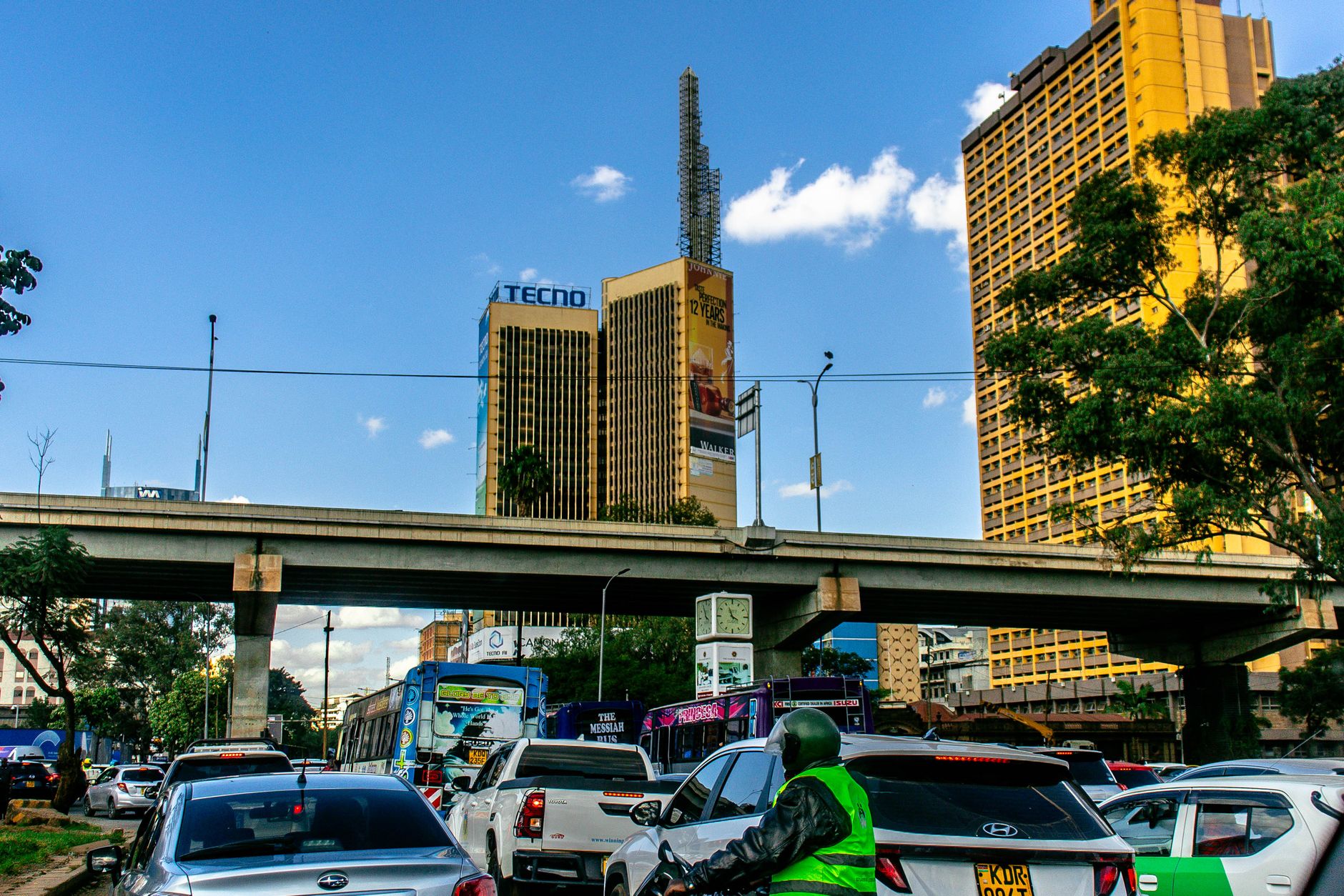
Nairobi's tourism and hospitality sector is navigating one of its most challenging years in recent memory, with operators reporting a confluence of headwinds that threaten both visitor numbers and revenue across the city's prime hospitality districts.
The broader regional instability—from militant activities in the Horn of Africa to mounting tensions in the Middle East—has cooled international demand at a critical time. Hotels along Kenyatta Avenue and in the Westlands business district report occupancy rates hovering between 45-55% in recent months, down from the 65-70% range typically seen in mid-year. Luxury properties like those clustered around Upper Hill have seen cancellations spike, particularly from American and European markets that traditionally drive high-yield bookings.
"We're seeing tour operators reducing group sizes and extending booking lead times," said one prominent safari operator based in the Nairobi Business Park, requesting anonymity due to client confidentiality concerns. Travel agencies along Tom Mboya Street report that package bookings for July and August—typically peak season—are running 25-30% below projections.
The challenges extend beyond security perceptions. Airfare volatility and fluctuating fuel costs have inflated travel expenses for visitors, while Kenya's inflation pressures have driven up operational costs for restaurants, lodges and transport services. A standard safari package that cost $2,500 per person two years ago now carries a price tag closer to $3,200, pricing out price-sensitive segments.
Domestic tourism, traditionally a stabiliser during international downturns, remains subdued. Middle-income Kenyans are delaying leisure travel, with staycation bookings at venues around Karen and the Rift Valley declining as household budgets tighten.
The National Tourism Board has launched campaigns emphasising Nairobi's role as a business and conference destination, but conference tourism too faces headwinds. Major events scheduled for venues like the Safari Park Hotel and KICC have seen participation forecasts revised downward.
On the positive side, some niche segments—wildlife photographers, birding enthusiasts, and luxury adventure travellers—remain resilient. And renewed focus on secondary attractions like the Giraffe Centre in Langata and Karen Blixen Museum offers operators opportunities to diversify revenue streams beyond traditional safari circuits.
Industry observers expect the sector to stabilise by late 2026, provided regional tensions ease. For now, however, Nairobi's tourism operators are managing inventory carefully, negotiating supplier terms aggressively, and banking on the city's enduring appeal as East Africa's premier gateway.
This article was compiled by AI from the sources linked above and screened before publishing. See our editorial standards.