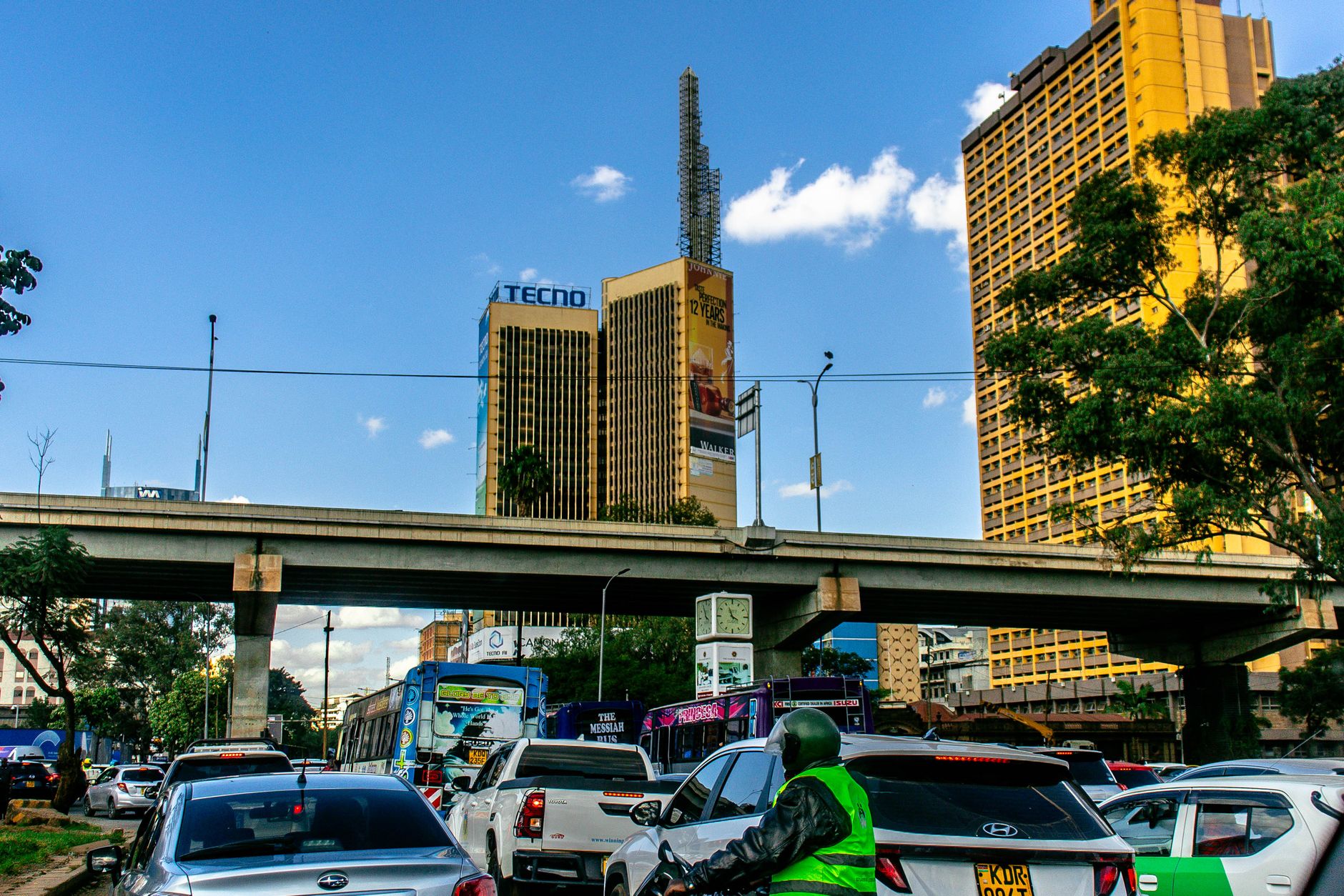
Nairobi's tourism sector is facing a bruising confluence of challenges as the mid-year mark arrives with visitor numbers lagging expectations and profit margins under sustained pressure.
The capital's hotel industry, which had projected a robust recovery following pandemic disruptions, is contending with multiple headwinds. Regional geopolitical tensions—from cross-border military operations in East Africa to ongoing security threats in neighboring countries—have prompted several European and North American tour operators to downgrade Kenya itineraries or divert clients elsewhere. Hotels along Mombasa Road, the tourism corridor stretching from the central business district toward the airport, report occupancy rates hovering around 58-62% this quarter, compared to pre-pandemic benchmarks of 72-75%.
Major hospitality chains operating from Westlands to Upper Hill are recalibrating their operational costs. Food and fuel price volatility has compressed already-thin margins, while labor costs continue their upward trajectory. The Nairobi Hotel Keepers Society has indicated that average room rates have stagnated despite inflationary pressures, as properties compete aggressively for dwindling leisure and business travelers.
The safari and nature tourism subsector faces particular strain. Tour operators based in industrial areas like Nairobi's Jua Kali precincts report that extended booking lead times have collapsed—clients now book weeks rather than months in advance, complicating supply chain management and staffing. International visitor numbers to Kenya's national parks have declined approximately 18% year-on-year according to preliminary tourism board data, with safari-dependent communities around Amboseli and the Mara facing economic pressure that ripples back into the capital.
Technology adoption offers limited relief. While digital platforms have streamlined some operations, they've simultaneously democratized the market, allowing independent travelers to bypass traditional tour operators and book directly with lodges. Small and mid-sized operators—the backbone of Nairobi's tourism ecosystem—lack the investment capital to compete effectively online.
Convention and corporate tourism, historically more resilient, has also weakened. Businesses are consolidating meetings and reducing travel budgets amid global economic uncertainty. Venues like Safari Park Hotel in Nairobi's suburbs have seen event bookings decline sharply, impacting their revenue diversification strategies.
Industry stakeholders acknowledge that recovery will require coordinated action. Improved regional security messaging, strategic marketing to emerging source markets, and domestic tourism stimulus could provide partial relief. However, without stabilization of global travel patterns and regional political conditions, Nairobi's visitor economy faces a challenging remainder of 2026.
This article was compiled by AI from the sources linked above and screened before publishing. See our editorial standards.