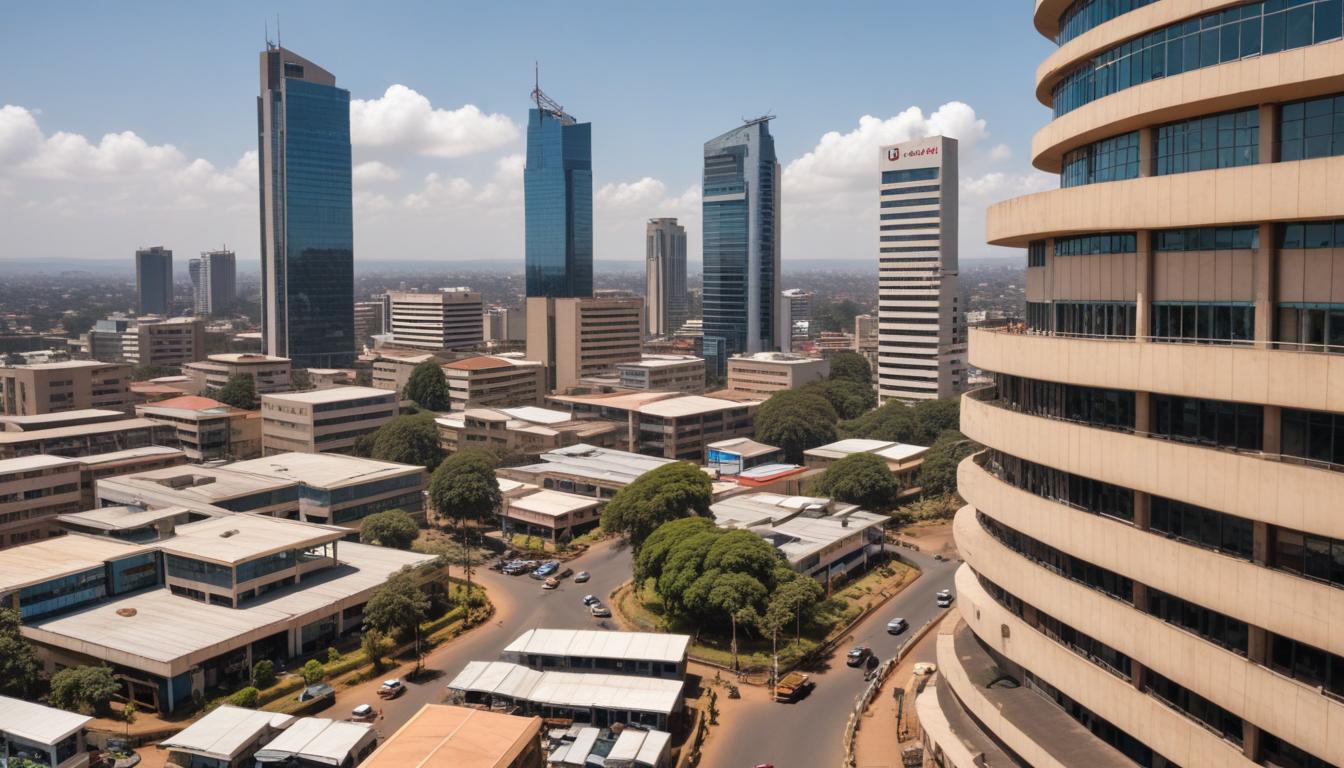
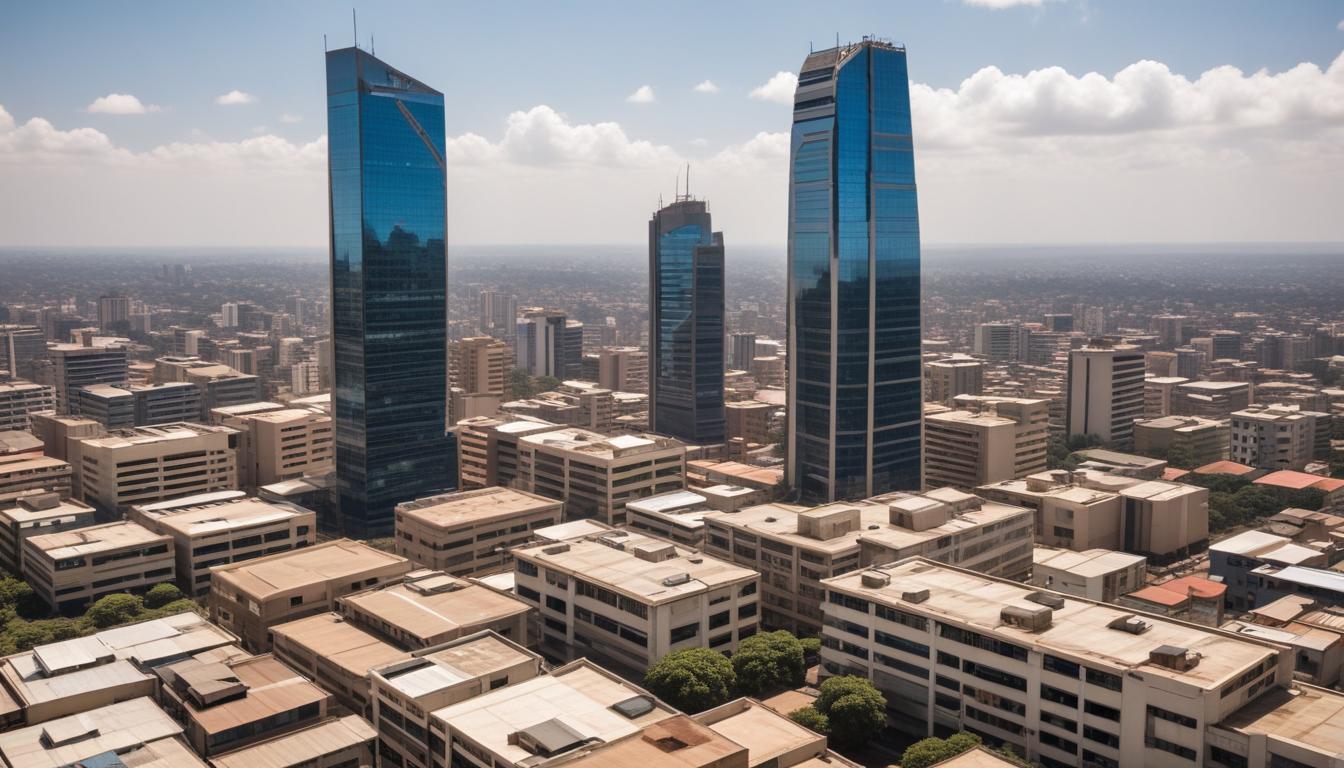
The numbers don't lie. When occupancy rates at Westlands hotels dip from 68% to 61% year-on-year, when average daily rates at Upper Hill properties soften, and when booking windows shrink from 45 to 28 days, savvy investors start asking harder questions about Nairobi's visitor economy.
Tourism remains one of East Africa's most transparent economic barometers. Unlike manufacturing or services, it leaves a clear paper trail: hotel revenues, airline seat loads, restaurant covers, safari booking volumes. Right now, that trail tells a story of cautious optimism mixed with structural headwinds.
Consider the flow of capital. Over the past 18 months, boutique hotel development in Karen and Runda has accelerated, with at least four properties in renovation or expansion phases. Meanwhile, mid-range operators along Kenyatta Avenue have tightened spending. This bifurcation—luxury climbing while budget-conscious segments flatten—mirrors global wealth disparities and rising African middle-class tourism demand.
International visitor arrivals through Jomo Kenyatta International Airport have rebounded to 82% of 2019 levels, according to tourism board data. But the composition matters enormously. Regional visitors from Uganda, Tanzania and Rwanda now account for roughly 34% of arrivals, up from 28% pre-pandemic. This shift reshapes spending patterns. A business traveler from Kampala stays three nights; a tourist from Frankfurt stays eight.
Hotel operators report that corporate event spending—conferences at Safari Park Hotel, incentive programs at Radisson Blu—remains robust. This sector typically yields higher margins than leisure tourism. Yet international leisure bookings for July through September show mixed signals: some US and UK markets strong, European bookings soft, Asian visitors trickling back more slowly than expected.
Investment flows reveal strategic repositioning. Several international hospitality groups have shifted from expansion to optimization—renovating existing properties in Nairobi rather than building new ones. Capital allocation toward conference infrastructure suggests faith in business travel recovery over mass leisure tourism.
The multiplier effect matters here. Every tourist dollar generates secondary spending: meals at restaurants in Kilimani, curio purchases in Kazuri Beads workshops, transport via Uber, entertainment at live venues. Aggregate tourism spending typically comprises 8-9% of Nairobi's economic output, making these indicators crucial for understanding broader growth trajectories.
Looking ahead, tourism economics hinge on three variables: macroeconomic stability in key source markets, visa policy accessibility, and security perception. Until those indicators stabilize, Nairobi's hospitality sector will likely remain in a holding pattern—investing cautiously, optimizing aggressively, and watching the numbers closely.
This article was compiled by AI from the sources linked above and screened before publishing. See our editorial standards.