From Kibera to Five-Star: How One Entrepreneur is Reshaping Nairobi's Tourism Narrative
A homegrown hospitality innovator is proving that authentic local experiences, not just luxury resorts, are the future of Kenya's visitor economy.
A homegrown hospitality innovator is proving that authentic local experiences, not just luxury resorts, are the future of Kenya's visitor economy.
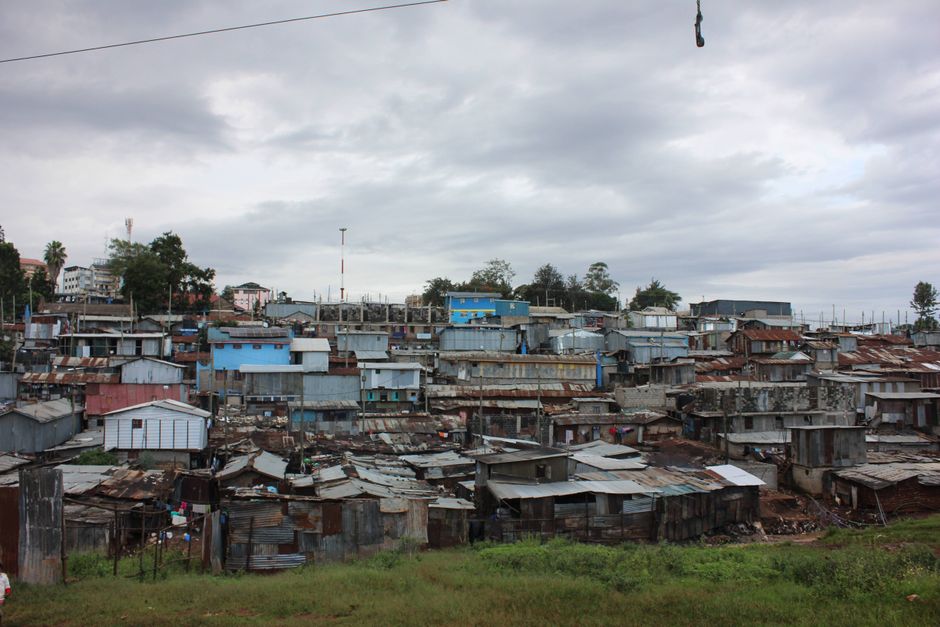
On a corner of Nairobi's bustling Waiyaki Way, a modest storefront conceals an operation that has quietly become one of the city's most sought-after tourism experiences. Over the past four years, a locally-owned venture has transformed how visitors experience Kenya's capital—moving beyond the predictable safari briefings and hotel lobbies to immerse travellers in the authentic heartbeat of Nairobi's neighbourhoods.
The shift reflects broader momentum in Kenya's tourism sector. Last year, visitor arrivals to Nairobi reached 842,000—up 18 percent from 2024—according to data from the Kenya Tourism Board. Yet conventional hotel occupancy rates have plateaued at around 61 percent, signalling that travellers increasingly crave experiences that feel genuine rather than packaged.
This gap is precisely where locally-led businesses are flourishing. The entrepreneur behind this particular venture spent fifteen years working in corporate tourism before recognising a glaring market inefficiency: international visitors were spending nights in Westlands and Upper Hill without ever stepping foot in the creative hubs of Eastleigh, the heritage quarters of Parklands, or the thriving artisan markets of Nairobi Central.
The business model is deceptively simple: curated neighbourhood tours paired with meals prepared by local cooks, studio visits with Kenyan artists, and overnight stays in carefully-vetted guesthouses run by community members. A typical three-day experience costs between KES 45,000 and 72,000 per person—positioning it well above backpacker rates but significantly below the KES 120,000-plus nightly rates at Five-Star properties along Chiromo Lane.
What has set this operation apart is investment in local hiring and capacity building. The enterprise now employs 34 full-time staff, predominantly from the neighbourhoods they promote, while offering hospitality training to over 200 community members annually through partnerships with technical colleges across the city.
Tourism industry analysts note that such models address a critical vulnerability in Kenya's visitor economy. The concentration of tourism revenue in large hotel groups and safari operators has historically left ordinary Nairobi residents disconnected from the industry's benefits. Citizen-led tourism enterprises are beginning to democratise both economic participation and the narrative of what Nairobi offers.
As global travel patterns continue shifting—with 73 percent of international tourists now prioritising authentic, community-engaged experiences according to recent World Travel Monitor data—homegrown entrepreneurs like this one aren't simply chasing a trend. They're actively reshaping how a major African capital positions itself in an increasingly competitive global marketplace.
This article was compiled by AI from the sources linked above and screened before publishing. See our editorial standards.
How does this story make you feel?
Spread the word
About this article
Published by The Daily Nairobi
Daily brief
Free, in your inbox before 7am. Weekdays.
More in Business