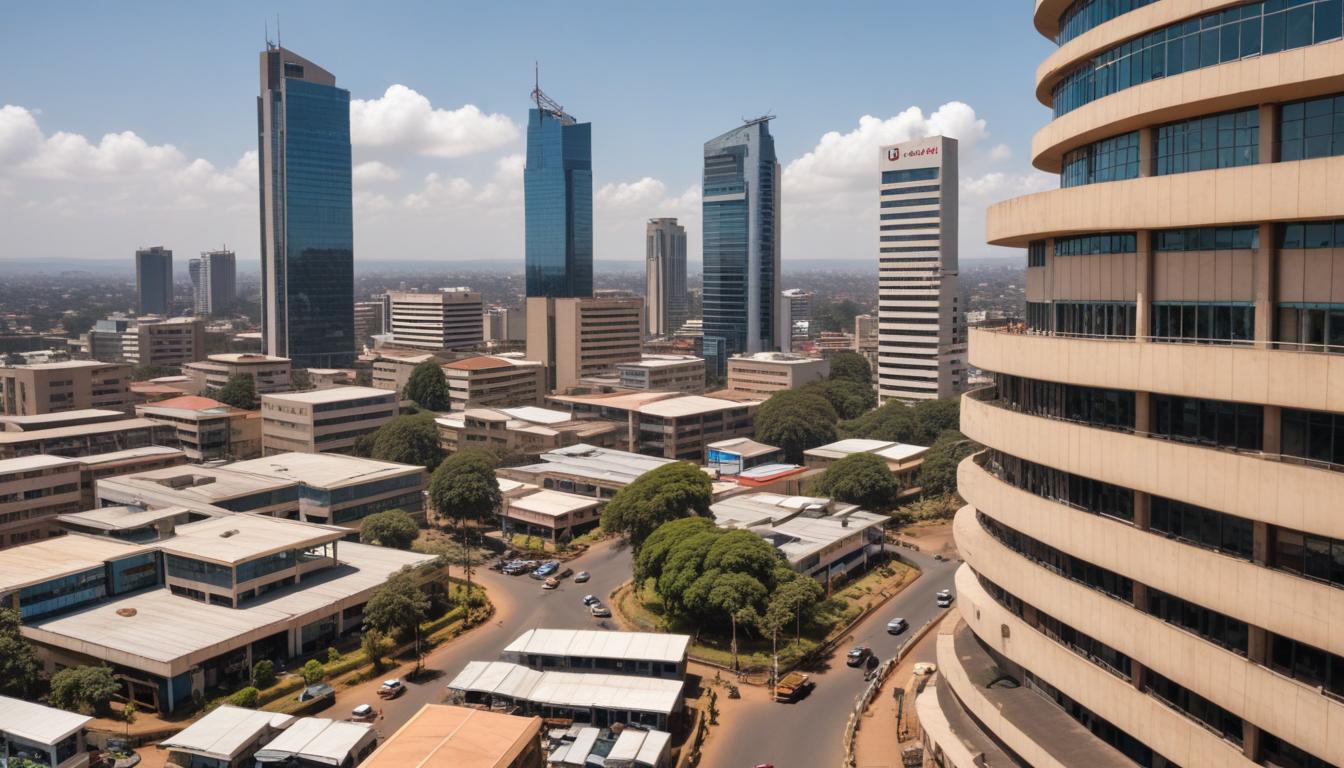
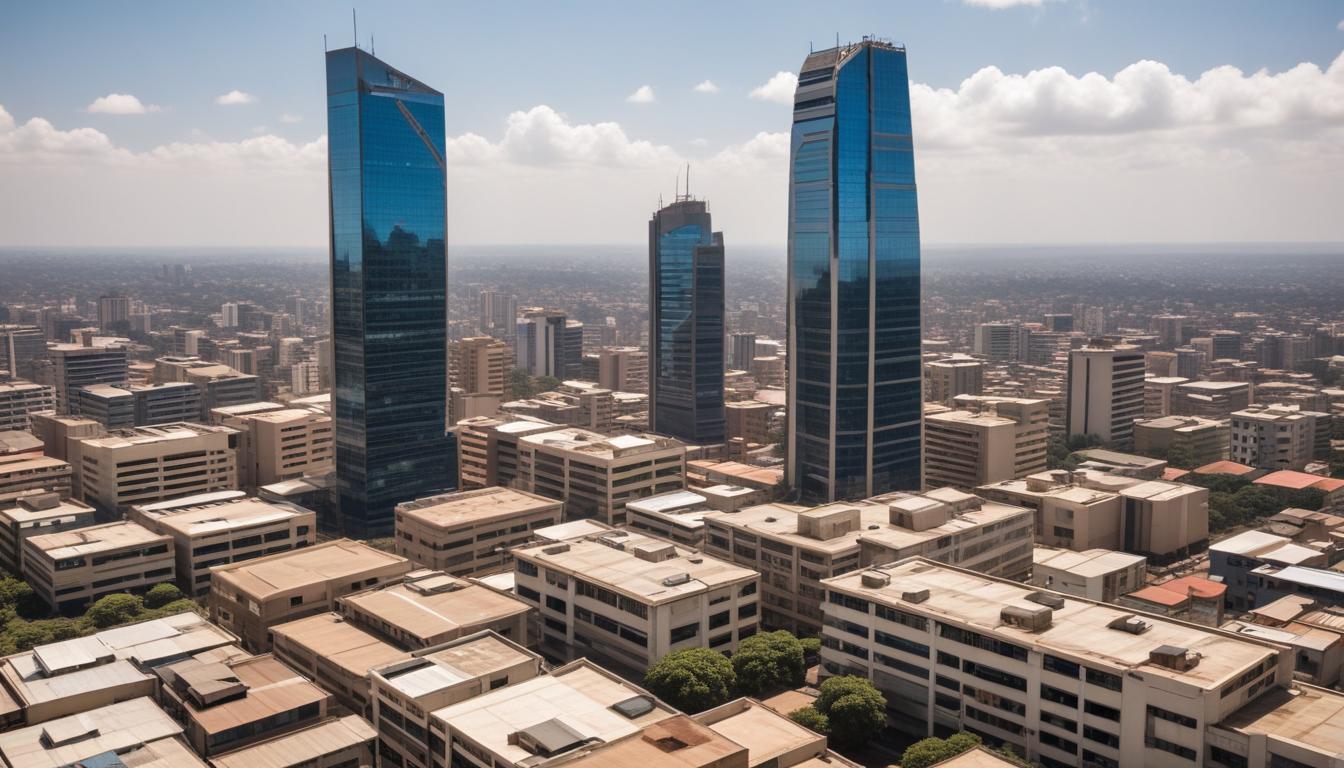
The construction cranes dotting the Nairobi skyline tell only half the story. While Glass House, Nairobi's sprawling innovation district in Westlands, continues attracting global tech investors, the real transformation is happening on the ground level where you live and work.
Between 2024 and early 2026, the number of active tech startups in Nairobi has grown to over 280, according to industry trackers. That's not merely Silicon Valley envy—it's reshaping services everyday residents depend on. From fintech platforms offering faster money transfers at lower costs than traditional banks, to mobility apps competing with matatus, the innovation ecosystem is becoming your ecosystem.
Consider what's already changed. Kilimani and Westlands now host at least 40 accelerators and co-working spaces, including hubs along Nairobi Hospital Lane and around the Kenyatta Avenue corridor. These aren't abstract tech retreats. When a healthcare startup launches from one of these spaces, it's often testing real solutions in your neighborhood—same-day medical consultations delivered through apps, or home-based lab testing that costs a fraction of clinic visits.
The catch? Not all innovation benefits reach everyday consumers equally. While venture-backed startups typically target middle and upper-income earners first—think premium ride-hailing alternatives or subscription wellness apps—cheaper, mass-market solutions often lag behind. An Uber-style service that costs 150 shillings gets media attention; an equally innovative transport solution for informal economies struggles for funding.
Real estate prices tell the story. Office space in Westlands now commands 8,000-12,000 shillings per square meter monthly, compared to 4,000-6,000 shillings in adjacent areas. This creates a geography of innovation that concentrates wealth and opportunity in specific corridors.
For residents, the practical questions matter most: Will startup-driven competition drive down prices for essentials? Will job creation in tech sectors address Nairobi's employment gap? Will infrastructure investments following tech growth improve roads and power supply citywide, or just in innovation districts?
The answer is messy. Some startups genuinely solve problems—mobile banking reduced transaction costs for millions. Others occupy niches serving affluent users. The ecosystem's growth is real and accelerating. But which innovations reach you, when they reach you, and at what cost depends on whether founders build for mass markets or niche wealth. Understanding this distinction helps you navigate Nairobi's changing landscape with eyes open.
This article was compiled by AI from the sources linked above and screened before publishing. See our editorial standards.