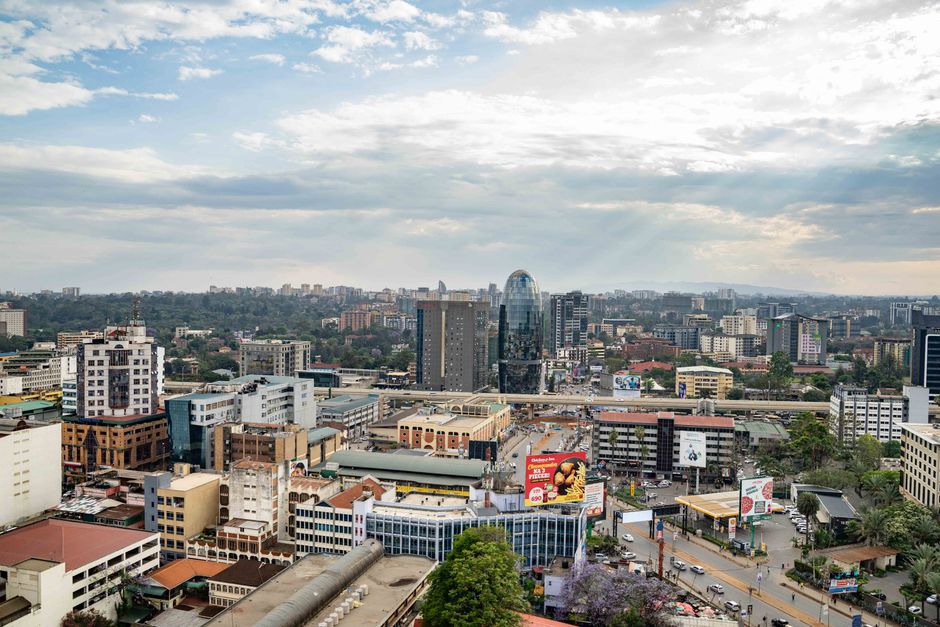
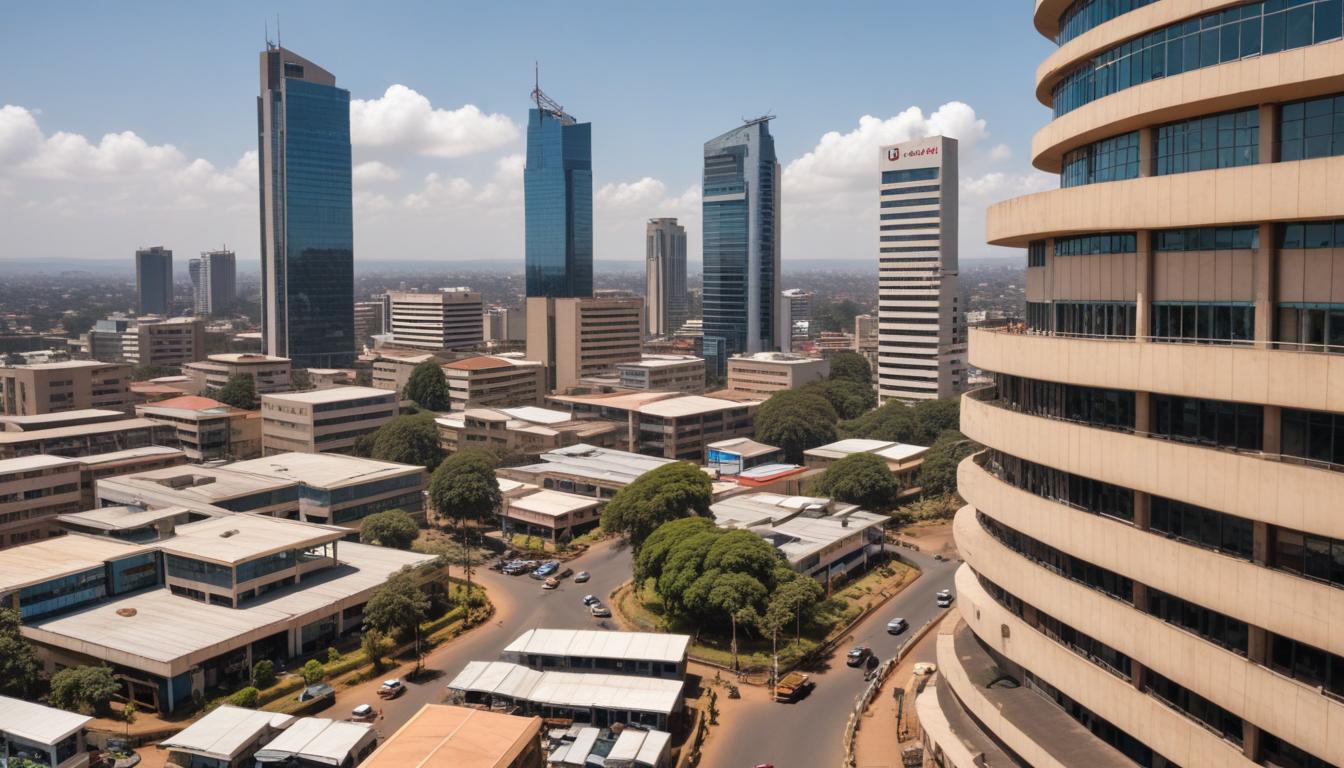
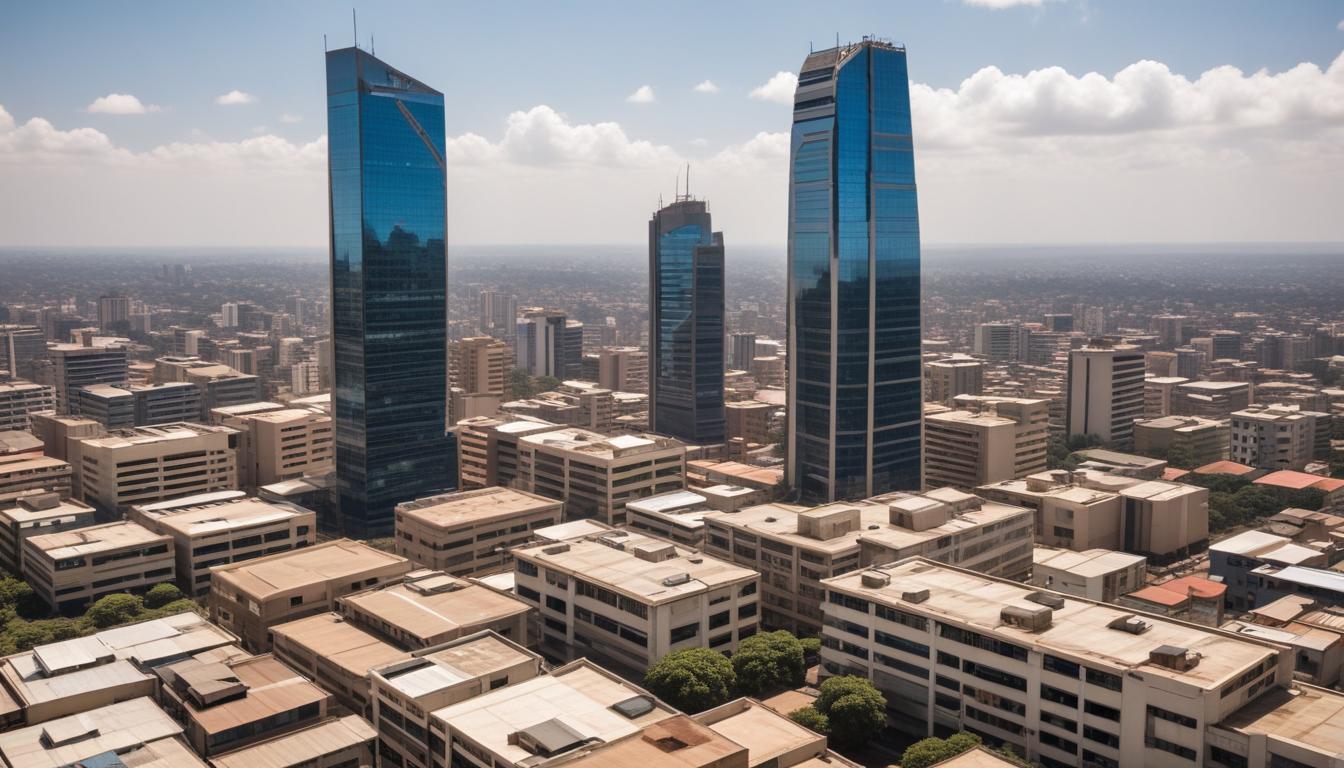
Nairobi's tourism sector is experiencing its strongest growth trajectory in a decade, with arrivals now exceeding 2.2 million annually. But while hoteliers and tour operators celebrate, residents face a more complex reality: the tourism boom is fundamentally reshaping how the city works—and what it costs to live here.
The numbers tell part of the story. International visitor spending hit $1.9 billion last year, according to the Kenya Tourism Board, driving aggressive development across Westlands, Upper Hill, and the Nairobi CBD. But this expansion comes with tangible consequences for everyday residents. Property prices in traditionally residential areas like Kilimani and Lavington have surged as investors convert family homes into boutique hotels and Airbnb properties. Rental costs in these neighbourhoods have risen 18-24% over the past two years—outpacing wage growth for most workers.
The hospitality labour market has also shifted dramatically. International hotel chains expanding along Harry Thuku Road and around the Safari Park Hotel precinct are absorbing service workers from across the city, creating talent shortages in other sectors and driving up entry-level wages in hospitality while compressing them elsewhere. For residents seeking accommodation near their workplaces, the competition with tourist-oriented businesses has become fiercer.
Transportation bottlenecks are another hidden cost. Increased tour buses navigating Nairobi's already congested streets—particularly around the Nairobi National Park gates and the Karen/Langata corridor—have worsened traffic during peak hours. Commuters from suburbs like Rongai and Kitengela report longer transit times, with implications for productivity and household finances.
Yet the tourism economy does create genuine opportunities. Local suppliers, from craft vendors in the Karen Blixen Museum precinct to restaurant owners along Mama Ngina Street, have expanded their customer bases dramatically. The Kenya Wildlife Service and community conservancies have reinvested tourism revenue into local infrastructure and education programmes. For many residents, especially young people, tourism-related employment—from guiding to hospitality management—offers genuine career pathways.
What residents need to understand is that tourism's benefits and burdens are unevenly distributed. While business owners and hospitality workers gain, renters and commuters absorb the costs. Understanding this dynamic matters when voting on city planning decisions, rental negotiations, or career choices. Nairobi's tourism boom is not simply good news—it's a transformation requiring active participation from residents to ensure the city's growth benefits everyone, not just investors and visitors.
This article was compiled by AI from the sources linked above and screened before publishing. See our editorial standards.