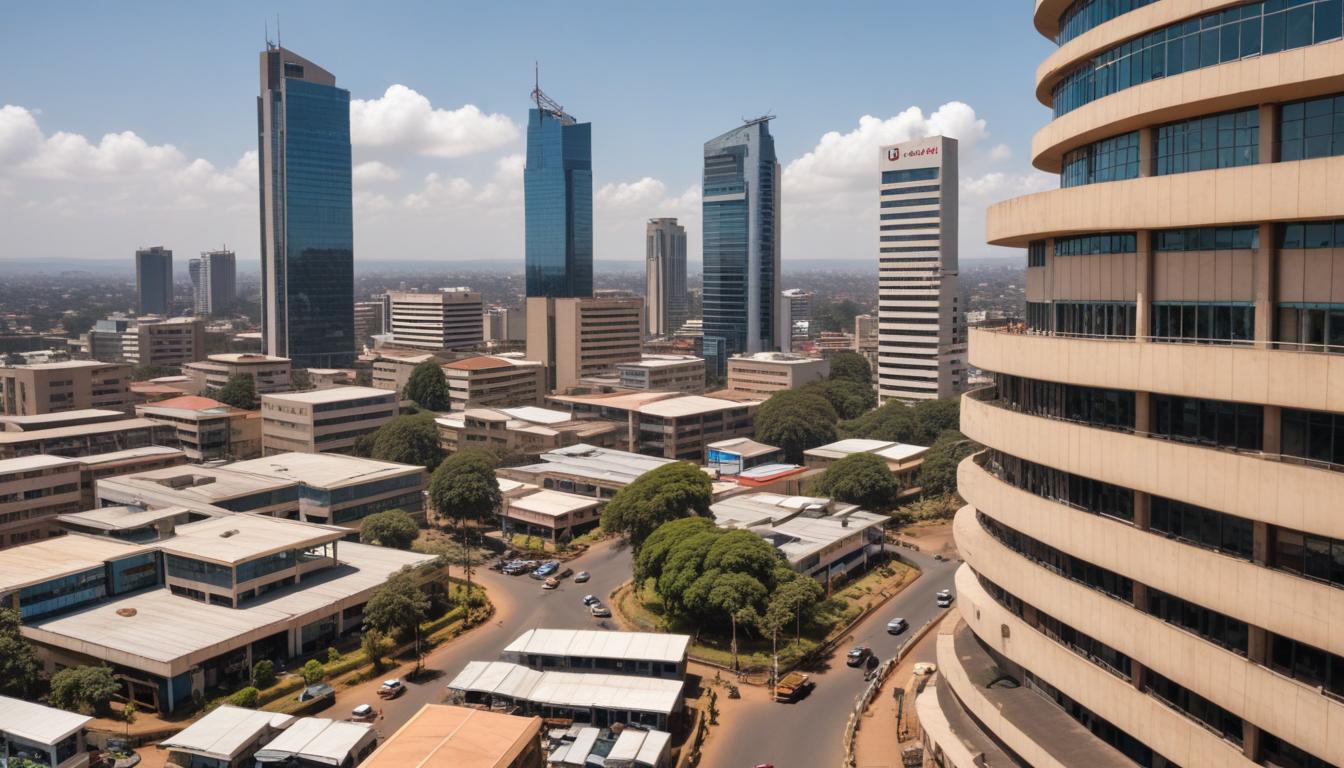
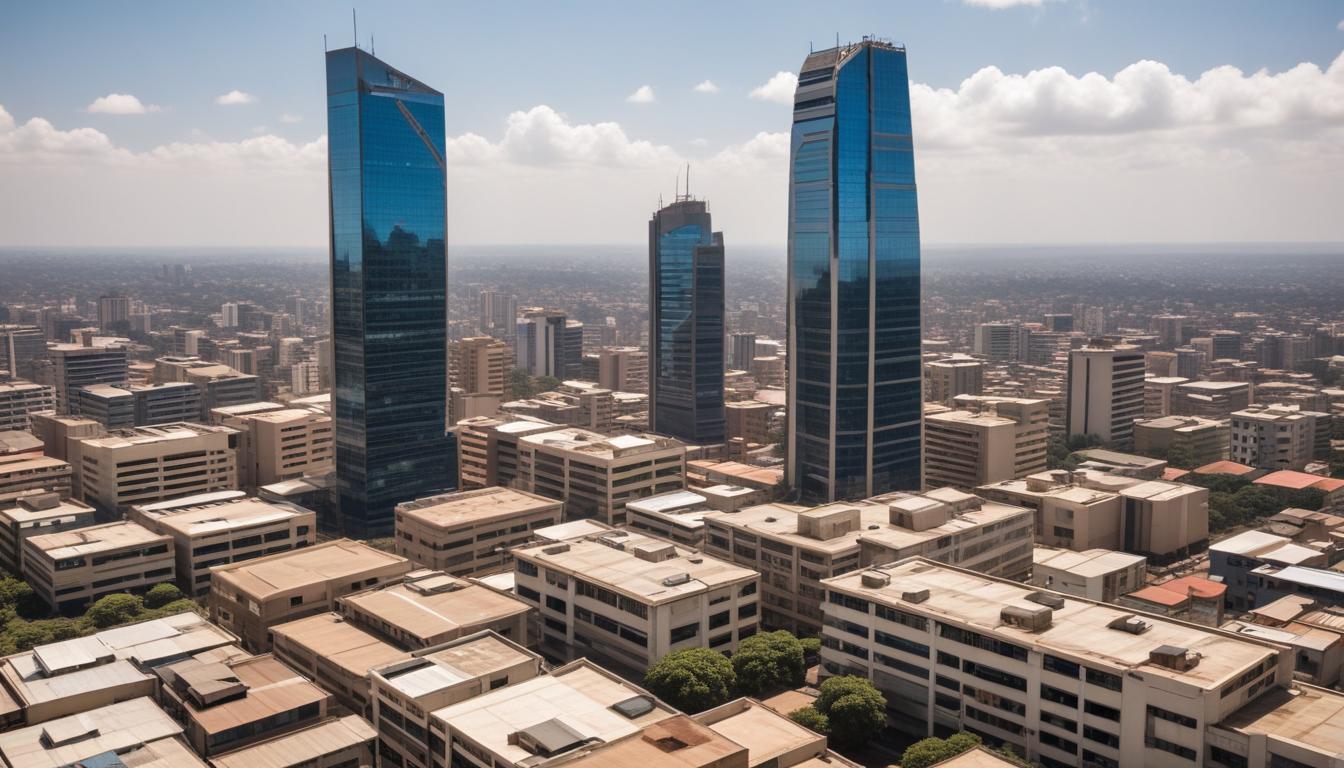
Walking through Westlands' business district on any given morning reveals the strain. The coffee at Brew Bistro costs 650 shillings—up 18% in eighteen months. Rent for a modest office space along Limuru Road now commands 180,000 shillings monthly. Yet for Nairobi's business community, these visible pressures barely scratch the surface of a deeper malaise: global instability is eroding profit margins and reshaping investment calculus across the city's financial heartland.
The connection is straightforward but brutal. Large-scale mining deals struck between foreign powers ripple through Kenya's extractive sector, affecting supply chains and investment flows. Energy traders operating from the Nairobi Securities Exchange watch Middle East tensions with particular anxiety—each geopolitical flare-up introduces volatility into oil prices, directly impacting transport costs that already consume 40-50% of SME operational budgets in the city. A matatu operator in South B knows this mathematics intimately: fuel surges translate to higher commute costs, which squeeze consumer spending, which dampens retail activity in Kilimani and Parklands.
The currency market tells an even starker story. Kenya's shilling has weakened 8.2% against the dollar since early 2025, driven partly by capital flight tied to global uncertainty. For importers clustered around Industrial Area and those relying on dollar-denominated debt, this translates to immediate margin compression. A technology firm in Hurlingham importing components now faces 22% higher costs year-on-year simply from exchange rate movement.
Disease outbreaks abroad—currently, the concerning situation in the Democratic Republic of Congo—also matter. Nairobi's pharmaceutical and logistics sectors, which employ thousands across Nairobi Industrial Area and the Enterprise Road corridor, face supply disruptions and delayed shipments when regional stability deteriorates. Insurance premiums for cross-border operations climb. Uncertainty cascades downward.
What makes this moment particularly precarious is the confluence of shocks. Global military tensions, trade friction between major economies, and pandemic-adjacent biosecurity concerns are happening simultaneously. For a business hub like Nairobi—which punches above its weight as East Africa's financial nerve center—the cumulative effect is palpable. Venture capital flowing into tech hubs like Ilab and Silicon Savanna slowed noticeably in Q2 2026. Commercial real estate agents report cooling interest among foreign investors in new developments along the Upper Hill corridor.
Yet Nairobi's resilience is equally real. Local entrepreneurs are adjusting—diversifying supply chains, hedging currency exposure, and pivoting toward regional markets less exposed to global shocks. The question is whether these adaptations can keep pace with the volatility.
This article was compiled by AI from the sources linked above and screened before publishing. See our editorial standards.