Why Global Trade Chaos Is About to Hit Your Grocery Bill and Rent
As geopolitical tensions reshape international commerce, everyday Nairobians face rising costs and supply disruptions—here's what you need to know.
As geopolitical tensions reshape international commerce, everyday Nairobians face rising costs and supply disruptions—here's what you need to know.
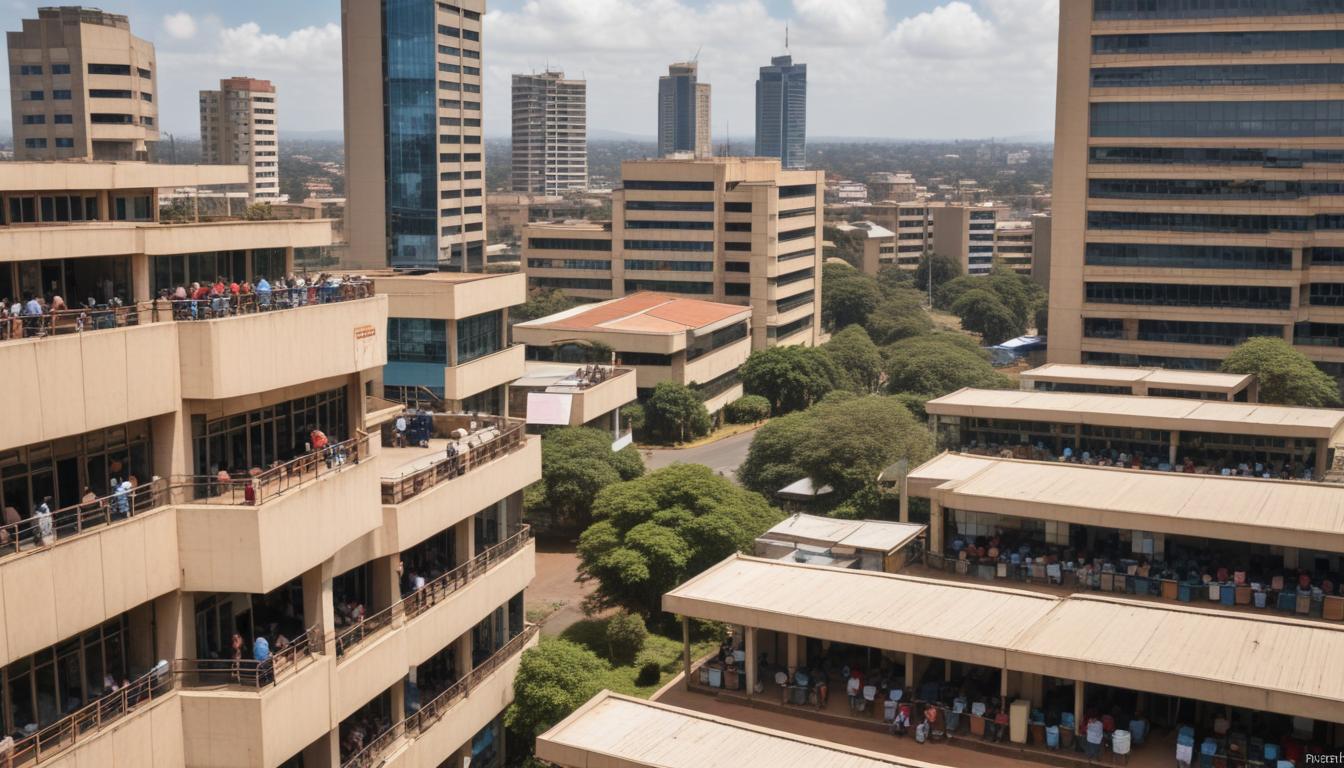
Walk into any supermarket along Mama Ngina Street or browse the stalls at Wakulima Market, and you're witnessing the frontline of a global trade crisis that's about to get personal. The escalating tensions between major powers—from Pakistan's military strikes on Afghanistan to deepening US-Iran negotiations over Middle Eastern shipping routes—are reshaping the networks that stock Nairobi's shelves and determine what you pay for basics.
For ordinary residents, this matters enormously. Nearly 40 per cent of Kenya's imported goods—from electronics sold in Westlands tech shops to cooking oil at your local duka—transit through corridors now under strain. When the Strait of Hormuz, a critical chokepoint for global oil transport, faces uncertainty due to regional tensions, shipping costs spike within weeks. Your matatu fare, already climbing, becomes collateral damage.
Consider the ripple effects already visible. Venezuelan economic collapse is triggering gold market volatility that indirectly affects Kenya's mining sector and investment climate. The broader pattern of populist leaders renegotiating trade deals—evident in Trump's mining arrangements and their downstream effects—creates unpredictability that multinational retailers in Nairobi's business district must navigate through inventory hedging. Translation: they pass costs to consumers.
Supply chain experts tracking movements through the Port of Mombasa report growing delays as insurance premiums rise for vessels rerouting around conflict zones. A container of Thai rice or Indonesian palm oil that arrived in 45 days now takes 60. Local importers absorb these costs or raise prices at neighbourhood markets.
The stakes are highest for Nairobi's lower-income neighbourhoods like Kibera and Mathare, where households spend 50-60 per cent of income on food. When global commodity prices spike due to geopolitical shocks—as they did dramatically during Ukraine tensions—it's these communities that tighten their belts first. A 15 per cent jump in wheat prices means real hunger for real families.
Yet there's agency here. Understanding these connections helps you make informed choices. Diversifying where you shop, supporting local producers in Karen and Limuru who reduce import dependency, and staying alert to currency fluctuations (the shilling weakens when global instability rises) are practical steps. When you hear about Iran-US tensions or Pakistan-Afghanistan clashes, think beyond headlines: ask how this affects your supply chain.
Nairobi's role as East Africa's economic hub means we're not isolated observers of global trade wars. We're participants. What happens in Qatar's negotiation rooms and Venezuela's crisis eventually arrives at your neighbourhood shop. Recognising that connection is the first step toward protecting yourself.
This article was compiled by AI from the sources linked above and screened before publishing. See our editorial standards.
How does this story make you feel?
Spread the word
About this article
Published by The Daily Nairobi
Daily brief
Free, in your inbox before 7am. Weekdays.
More in Business