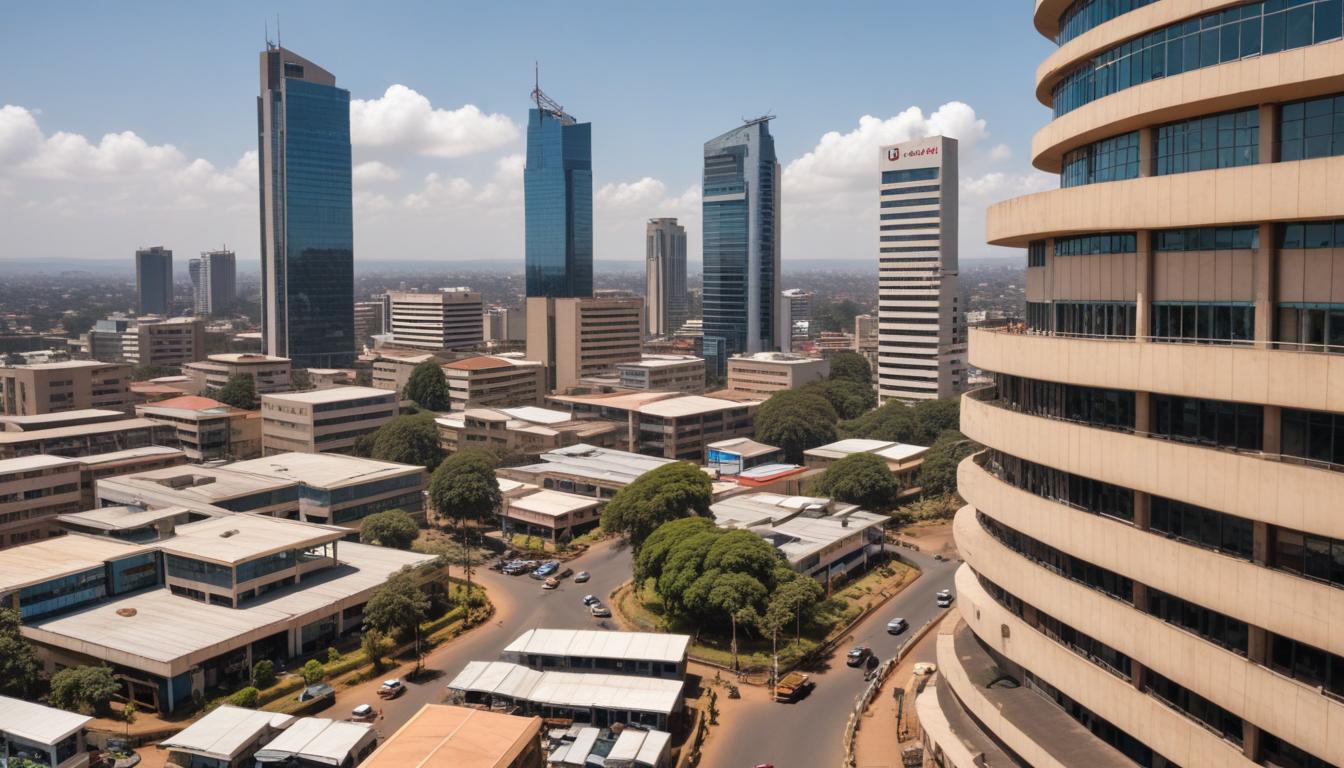
The Nairobi hospitality and retail food sector is at a crossroads. Six months into 2026, businesses operating across Westlands, Karen, and the bustling streets of River Road are grappling with a complex mix of opportunities and headwinds that are reshaping how they operate.
Rising food costs remain the most pressing challenge. Imported ingredients, particularly dairy and wheat products, have climbed 18-22 percent year-on-year, according to informal surveys among restaurant operators in Upper Hill and the Kilimani corridor. For establishments that depend heavily on international suppliers, margins have compressed noticeably. A mid-range restaurant operator in Kileleshwa reported that their cost of goods sold has jumped from 28 percent to 34 percent of revenue within the past eight months alone.
Yet consumer demand hasn't retreated. If anything, Nairobi's dining scene is becoming more sophisticated and discerning. The rise of casual fine dining—venues that marry quality with accessible pricing—has captured significant market share from both ultra-premium establishments and budget chains. Outlets in Eastleigh, Kilimani, and around Nairobi's CBD are reporting brisk foot traffic, particularly during lunch hours, where working professionals seek value without sacrificing quality.
Delivery platforms continue to reshape the landscape. While apps like Uber Eats and Bolt Food expanded rapidly last year, market saturation is now forcing restaurants to recalibrate their digital strategy. Commission rates averaging 25-30 percent are eating into profitability, prompting savvy operators to build direct customer relationships through WhatsApp ordering and loyalty programmes. Several established players along Chiromo Lane have reported that direct orders now represent 40 percent of their delivery volume—a meaningful shift from two years ago.
Labour costs present another reality check. Skilled kitchen staff and hospitality workers are commanding higher wages. Entry-level kitchen positions in Westlands now start around KES 18,000-22,000 monthly, up 12 percent from late 2024. For retailers managing multiple outlets, this compounds across operations quickly.
Sustainability is no longer niche—it's becoming competitive necessity. Consumers, particularly among Nairobi's growing middle class in areas like Runda and Muthaiga, increasingly favour establishments demonstrating environmental responsibility. Packaging choices, waste management, and locally-sourced ingredients are now decision factors for diners.
The outlook for the second half of 2026 hinges on operational efficiency. Businesses that streamline supply chains, leverage technology to reduce labour dependency, and build direct customer channels are positioning themselves for resilience. For Nairobi's vibrant food and hospitality ecosystem, adaptation isn't optional—it's survival.
This article was compiled by AI from the sources linked above and screened before publishing. See our editorial standards.