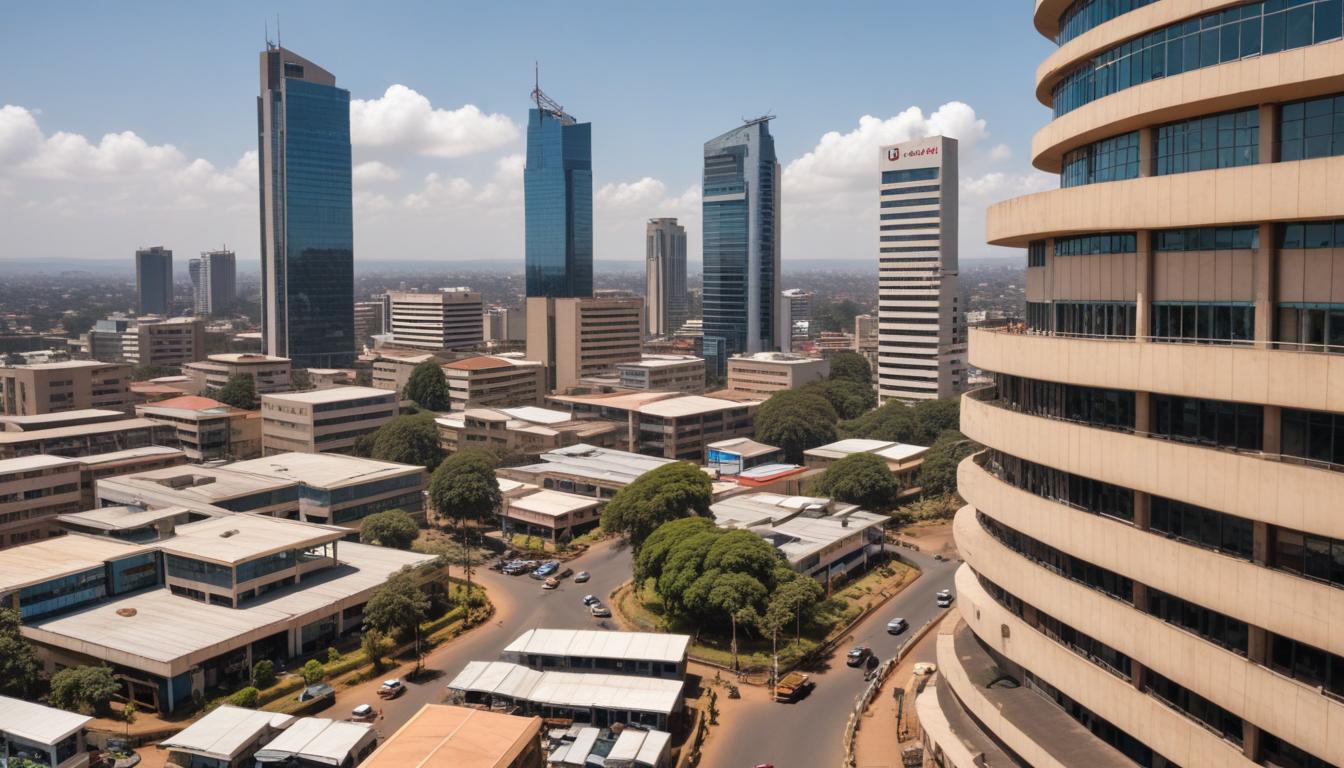
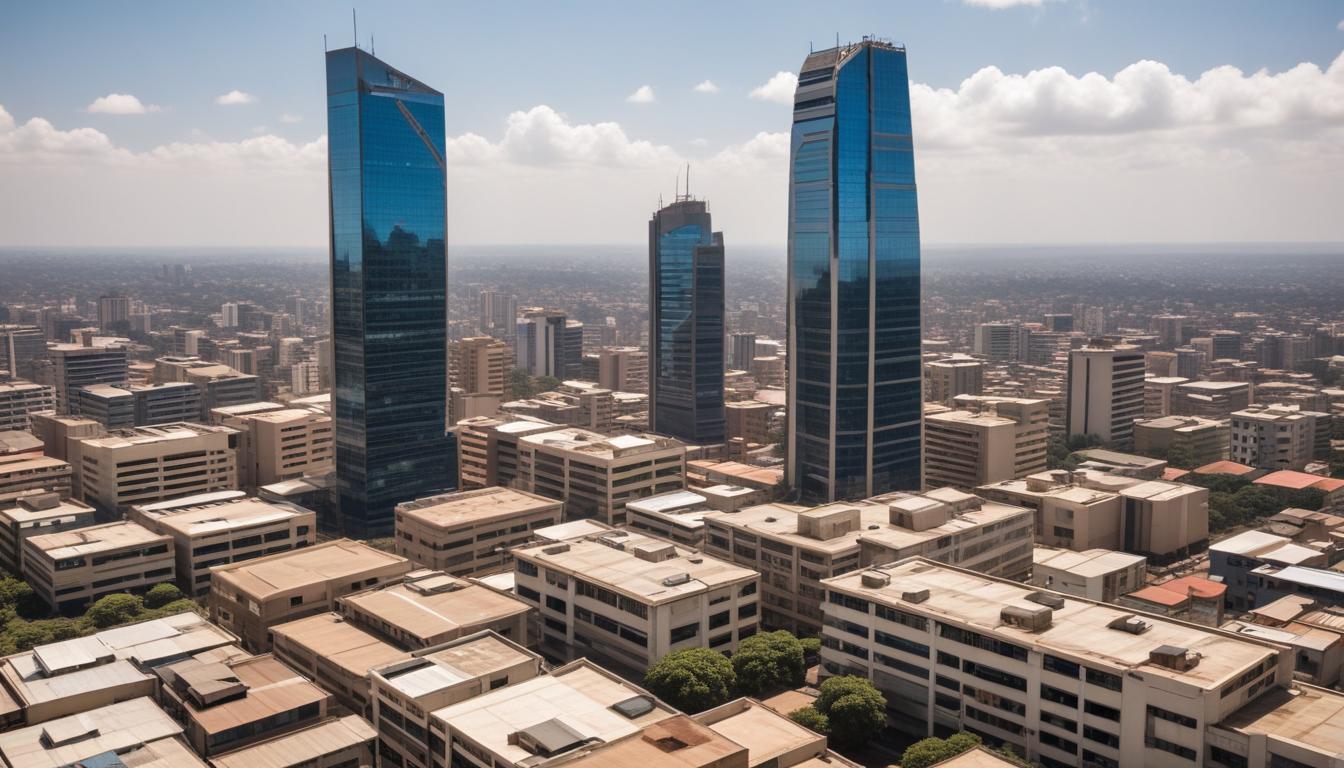
Nairobi's tourism sector is sending clearer economic signals than it has in years. Recent data from the Kenya Tourism Board shows international visitor arrivals climbed 23 percent year-on-year in the first quarter of 2026, with hotel occupancy rates in Westlands and the Upper Hill corridor reaching 78 percent—a seven-year high. These aren't merely feel-good statistics; they represent tangible shifts in capital flows and investment priorities that are reshaping how the city functions as a business destination.
The numbers tell a compelling story about where money is moving. Foreign exchange earnings from tourism hit $487 million in the first half of 2026, up from $396 million in the same period last year. For context, that's roughly equivalent to Kenya's quarterly tea export revenues—a reminder of tourism's growing weight in the national economy. More significantly, this growth is concentrated in mid-to-luxury segments rather than budget tourism, indicating both visitor quality and spending power.
Investment flows follow visitor patterns. The past 18 months have seen major hospitality operators pour capital into properties along Mombasa Road and around the Nairobi National Park viewpoint areas. New conference facilities in Kilimani and renovated business suites in Parklands reflect investor confidence that corporate travel and conferences will sustain demand. Average room rates in four-star establishments have climbed to $280-$350 per night, up from $220 two years ago, yet occupancy remains robust—a textbook sign of healthy market fundamentals.
Transport infrastructure investments are amplifying these trends. The Standard Gauge Railway's expanded schedule and improved ground transport from Jomo Kenyatta International Airport have reduced visitor friction significantly. Airport passenger volumes jumped 18 percent, with connecting flights to regional hubs rising faster than domestic traffic, suggesting Nairobi is reclaiming its position as East Africa's gateway city.
What makes this cycle particularly important for local economies is the multiplier effect. Restaurant and retail businesses along Ngong Road and in the Nairobi CBD are benefiting from increased foot traffic. Employment in hospitality services expanded by 4,200 jobs in the first half of 2026 according to labor statistics, creating downstream demand for construction, logistics, and professional services.
However, economists caution against complacency. Global economic headwinds and regional instability could quickly reverse sentiment. The sector remains sensitive to currency fluctuations and security perceptions—factors beyond Nairobi's direct control. Still, the convergence of rising visitor numbers, stable room rates, and fresh capital deployment suggests the city's tourism economy has moved beyond temporary recovery into structural repositioning. For investors and policymakers, that distinction matters considerably.
This article was compiled by AI from the sources linked above and screened before publishing. See our editorial standards.