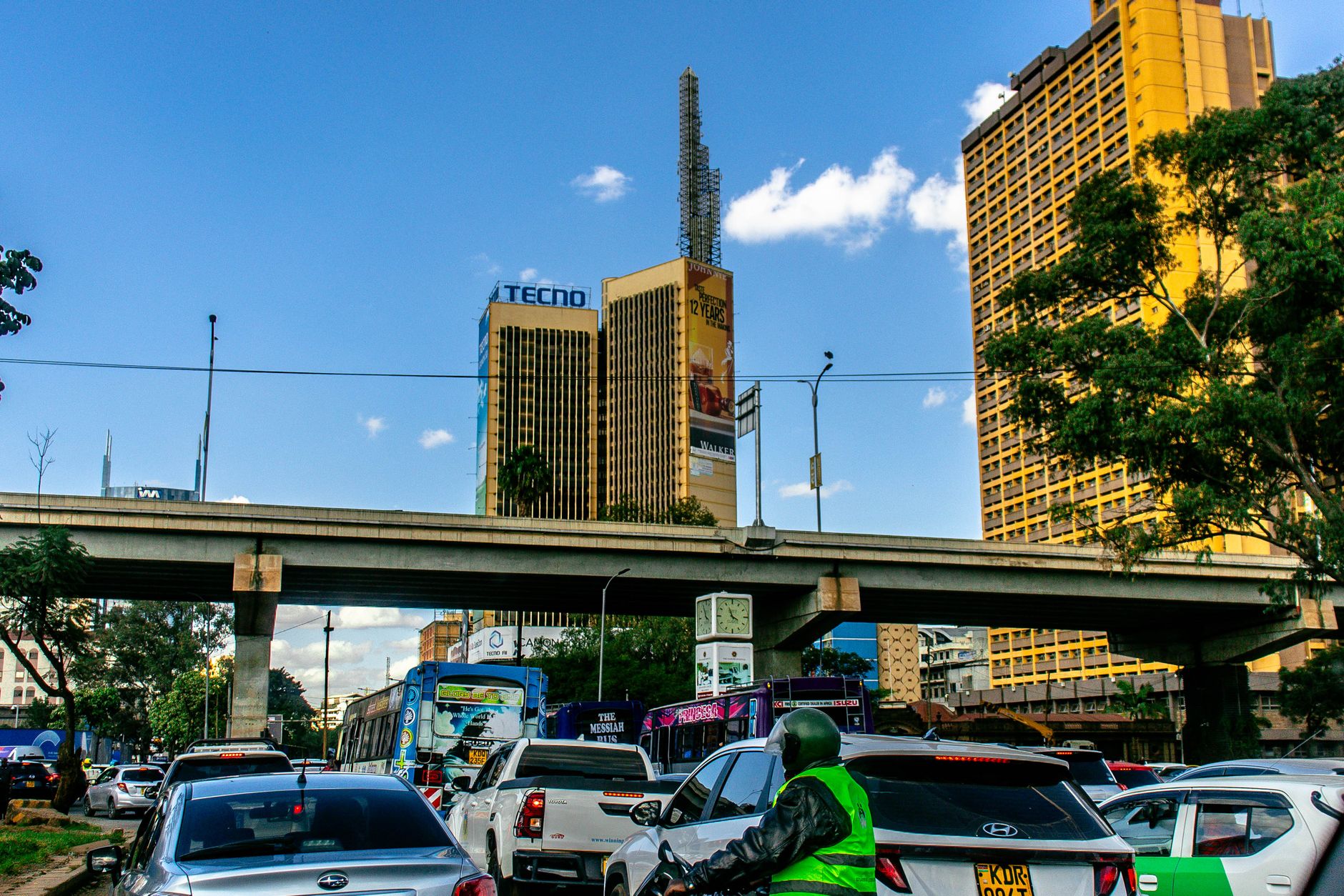
The trading floors of Nairobi's business district are buzzing with concern. Conversations at venues like the Safari Park Hotel and along Kimathi Street reveal a shared anxiety: the rules governing global commerce are changing faster than many exporters and importers can adapt.
For Kenya's trading community—particularly those operating from the Industrial Area and along the Eastern Bypass—the first half of 2026 has delivered uncomfortable lessons about geopolitical risk. New tensions between major economic powers have triggered unexpected tariff regimes, disrupted shipping schedules through critical chokepoints, and created currency volatility that no hedging strategy anticipated.
Data from the Kenya National Bureau of Statistics shows that import costs for raw materials used in manufacturing have climbed 8-12% since January, driven largely by rerouted shipping and new port congestion. The Mombasa port, Kenya's lifeline for containerised goods, is experiencing unprecedented delays—some vessels now wait seven to ten days for berth space, compared to the three-day average in early 2025.
"The margins are being squeezed from both ends," explains the consensus among business operators interviewed at the Nairobi Securities Exchange. For textile manufacturers relying on synthetic fibres, agricultural exporters shipping horticulture to European markets, and technology distributors importing components, the arithmetic has become unforgiving.
The East Africa Trade and Development Bank, headquartered in Nairobi's Upper Hill district, reports that SMEs are particularly vulnerable. Businesses with limited foreign exchange reserves cannot absorb the cost of sudden currency fluctuations or unexpected surcharges on international payments.
So what should Nairobi's business community do now? Diversification is no longer optional. Companies that have built supply chains dependent on single routes or single-source suppliers face existential risk. Regional alternatives—sourcing from neighbouring East African producers or exploring markets in West Africa—are moving from strategic afterthought to urgent priority.
Currency management has become a boardroom obsession. The Kenya shilling's volatility against the US dollar and euro means that export pricing must build in larger buffers than the 2-3% historically considered adequate.
Finally, logistics partnerships require fresh scrutiny. The companies managing warehousing at the Embakasi industrial zone and coordinating clearance through Mombasa are critical allies in navigating delays and unexpected costs.
The international trading environment of mid-2026 rewards businesses that move quickly and think regionally. For Nairobi's exporters, the window for adaptation remains open—but it is narrowing.
This article was compiled by AI from the sources linked above and screened before publishing. See our editorial standards.