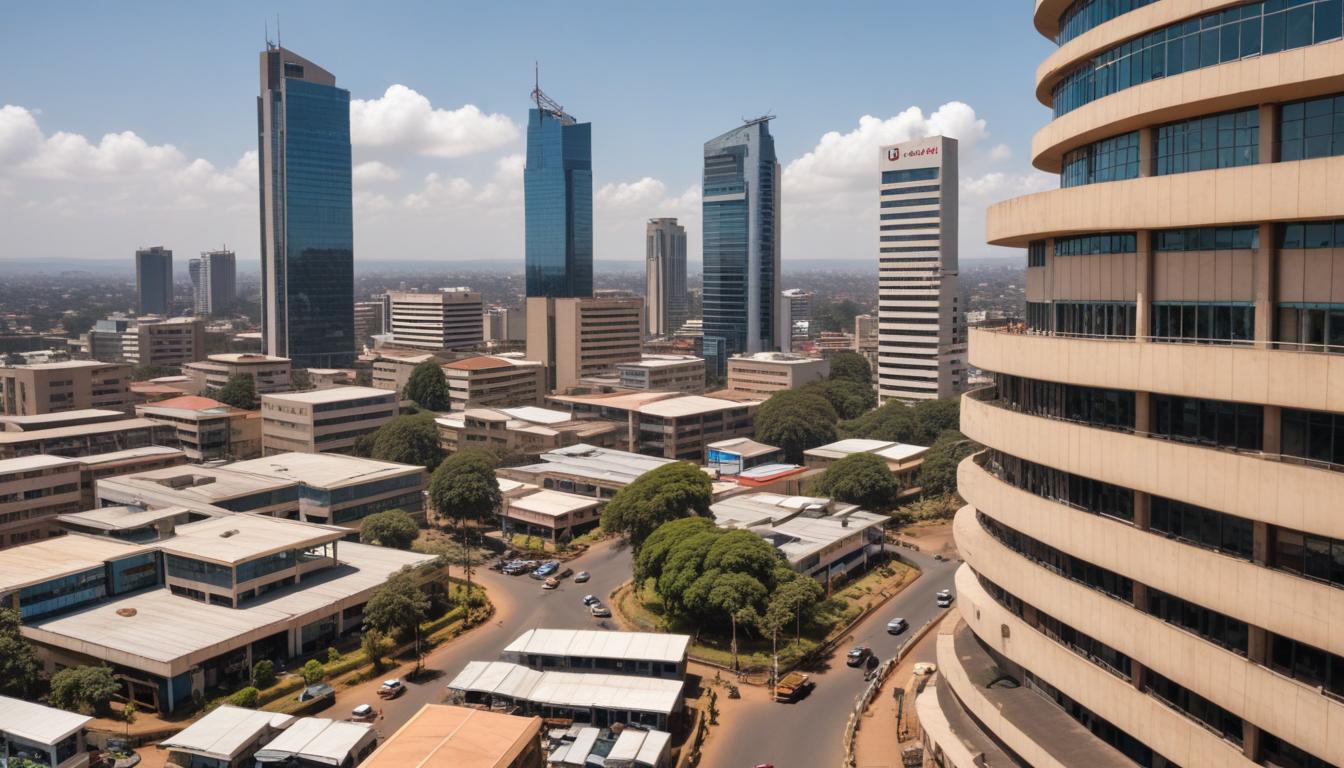
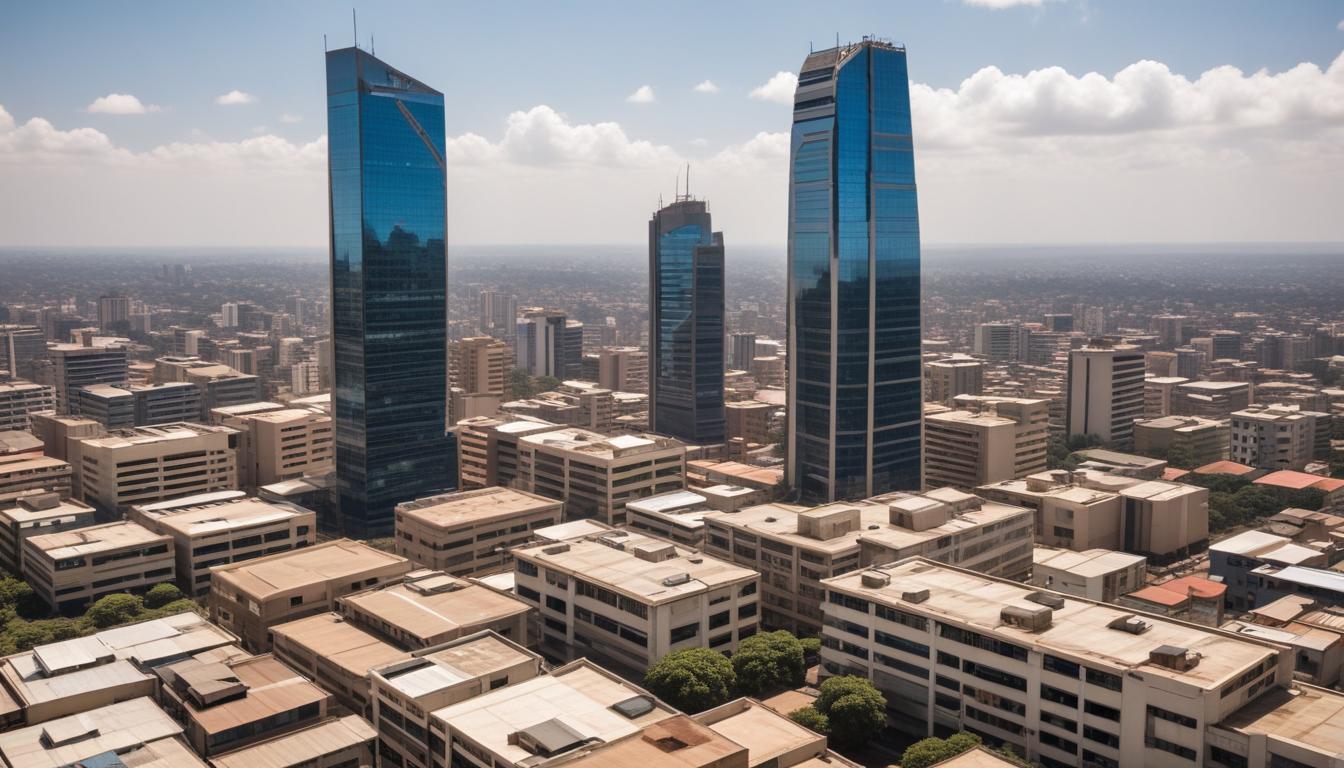
Walking through Westlands on any weekday morning, you'll spot the gleaming office towers that house Nairobi's investment management firms. But behind those glass facades, portfolio managers are grappling with a year of unexpected headwinds that have fundamentally altered the investment landscape for Kenyan clients.
The Central Bank of Kenya's aggressive interest rate cycle—which saw the benchmark rate climb to 13 percent by mid-2025—has created a disorienting environment. While savers cheered higher Treasury yields, investors who locked in long-term equity positions early in the decade now face mounting pressure. The Nairobi Securities Exchange's main index has oscillated wildly, with foreign investor participation fluctuating as geopolitical tensions abroad drive capital reallocation away from emerging markets.
Cost of living pressures in the city have only amplified these challenges. A family in Kilimani or Karen budgeting for school fees, healthcare, and housing now contends with rental increases averaging 8-12 percent annually, while food prices at Nakumatt and Carrefour branches reflect persistent inflation. These pressures force ordinary investors—the small-scale savers who traditionally fuel local capital markets—to prioritize immediate expenses over long-term portfolio building.
"We're seeing retail investor activity decline noticeably," says the investment advisory community across Upper Hill, where most of Nairobi's wealth management sector clusters. Currency volatility has compounded matters. The Kenya shilling's fluctuations against the dollar have created unpredictability for investors with offshore exposure, while those betting on domestic assets face currency drag that erodes real returns.
Corporate earnings have deteriorated as well. Companies listed on the NSE are contending with higher borrowing costs, squeezed margins from input inflation, and weakening consumer demand. Real estate developers around the Nairobi CBD and emerging zones like Runda are adjusting project timelines, recognizing that property investment—long a Kenyan investor favorite—faces headwinds from rising construction costs and narrowing buyer pools.
International conditions amplify domestic concerns. Global central banks' positioning, geopolitical tensions affecting oil markets, and broader emerging market skepticism have created a toxic mix for Kenya-focused fund managers. The flight to quality has meant capital increasingly flowing toward developed market assets, starving local investment vehicles of the inflows they once enjoyed.
For Nairobi's investor class, navigating 2026 requires patience and realism. Those expecting double-digit returns are adjusting expectations downward. The investment sector isn't collapsing—but it is undeniably facing its most challenging year in recent memory.
This article was compiled by AI from the sources linked above and screened before publishing. See our editorial standards.