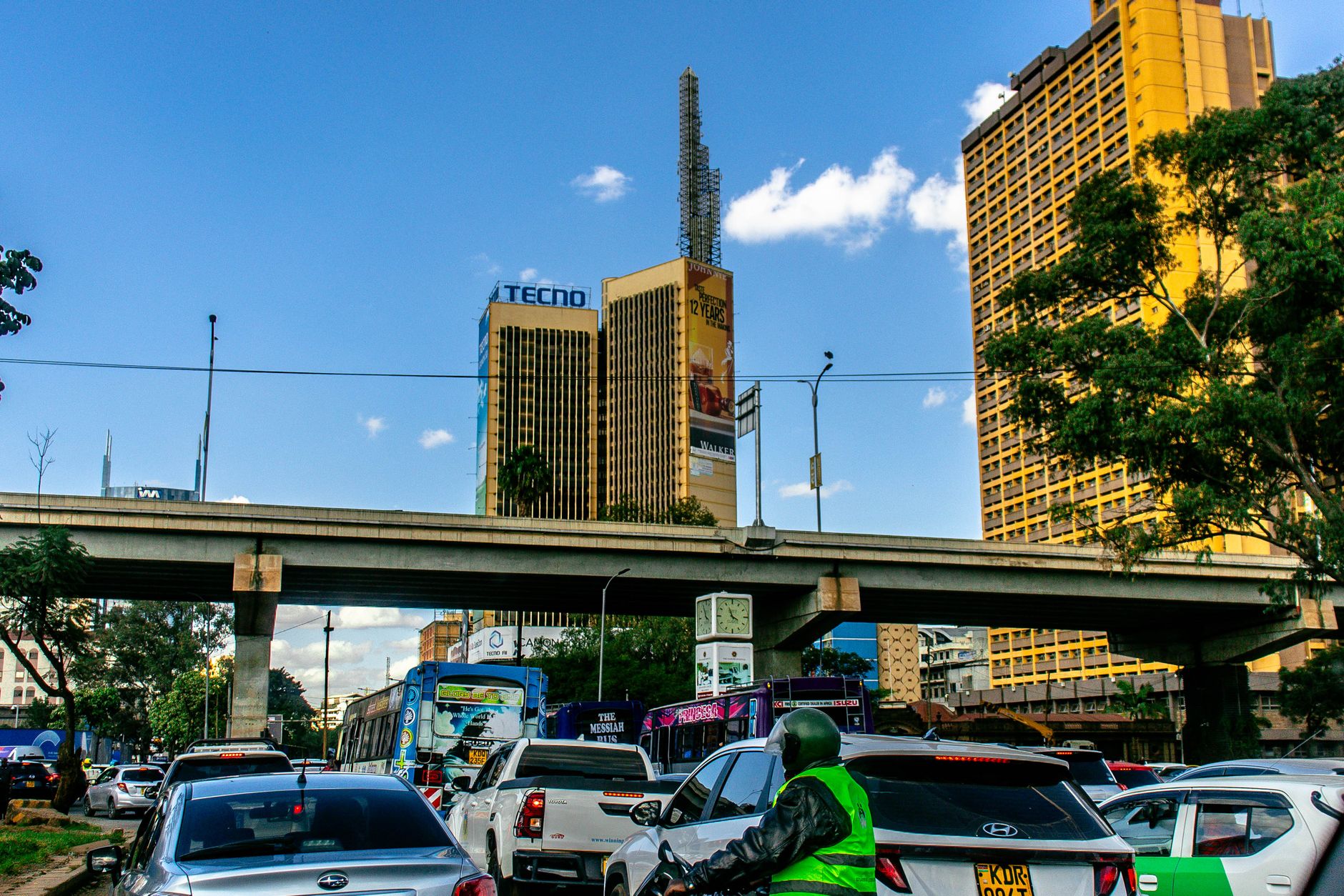
Walking through the bustling corridors of the Kenya National Chamber of Commerce and Industry building on Limuru Road, the mood among trading partners is noticeably subdued compared to previous years. The optimism that characterised 2024 and early 2025 has given way to palpable anxiety as Nairobi's international trade sector confronts a convergence of challenges that threaten profit margins and market access alike.
The headwinds are real and multifaceted. Container shipping rates from Mombasa to Rotterdam have climbed 34 percent since January, according to figures from the East African Shipping Council, making it increasingly expensive for small and mid-sized exporters—particularly those in the floriculture, horticultural, and specialty coffee sectors—to reach European markets. A twenty-foot container that cost $1,200 in early 2025 now commands $1,608, straining working capital for operations clustered around the Industrial Area.
Currency instability compounds the problem. The Kenyan shilling has weakened 8 percent against the dollar this year, eroding purchasing power for importers while simultaneously raising the cost of raw materials and intermediate goods needed by manufacturers in Eastleigh and along Enterprise Road. For firms operating on fixed-price contracts locked in at earlier exchange rates, the mathematics has become painful.
Geopolitical fractures ripple across supply chains in ways Nairobi's traders did not anticipate. Tensions in the Middle East and developments in Eastern Europe have disrupted shipping routes, added insurance premiums, and created unpredictability in delivery windows. A pharmaceutical importer based in Upper Hill reported a three-week delay on a critical shipment last month—delays that cascade through dependent businesses.
The DR Congo's Ebola outbreak and Pakistan-Afghanistan military escalations, while geographically distant, have spooked investors and complicated regional trade agreements. Additionally, new tariff discussions and potential trade restrictions emanating from major economies threaten the preferential access that underpins Kenya's competitive advantages in East African markets.
Yet adaptation is occurring. Several trading houses in Westlands have begun exploring alternative routes through Indian Ocean ports and consolidating shipments to reduce per-unit shipping costs. The Kenya Revenue Authority's enhanced digital systems at Mombasa port have slightly improved clearance speeds, though bureaucratic friction remains high.
As 2026 progresses, stakeholders gathered at venues like Safari Park Hotel acknowledge a hard truth: the era of smooth, predictable international trade flows has ended. Resilience, diversification, and strategic cost management will separate survivors from casualties in Nairobi's fiercely competitive trading ecosystem.
This article was compiled by AI from the sources linked above and screened before publishing. See our editorial standards.