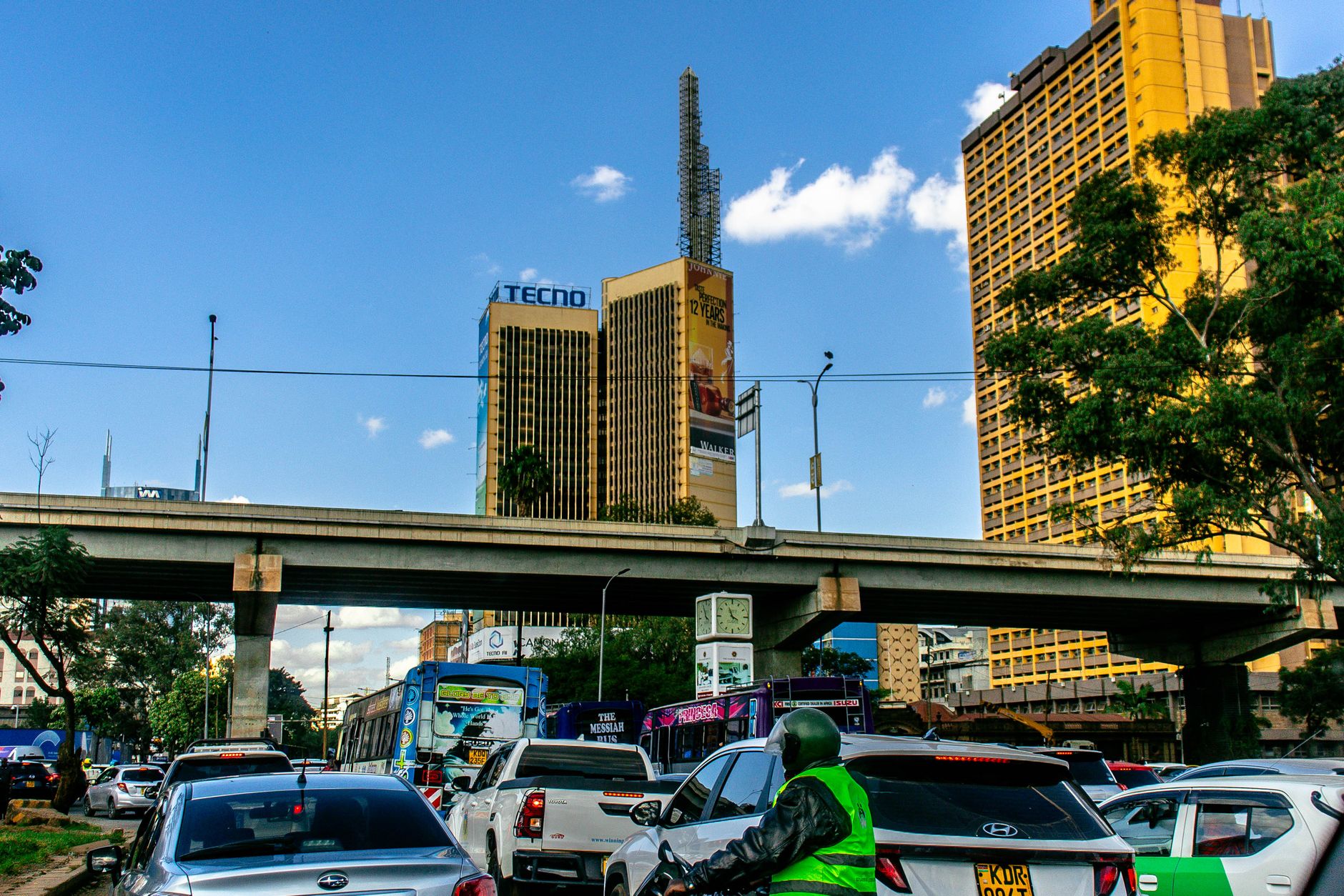
Nairobi's Investment Sector Faces Perfect Storm of Headwinds in 2026
Rising interest rates, currency volatility and subdued consumer spending are testing the resilience of Kenya's financial services industry at a critical juncture.
Rising interest rates, currency volatility and subdued consumer spending are testing the resilience of Kenya's financial services industry at a critical juncture.
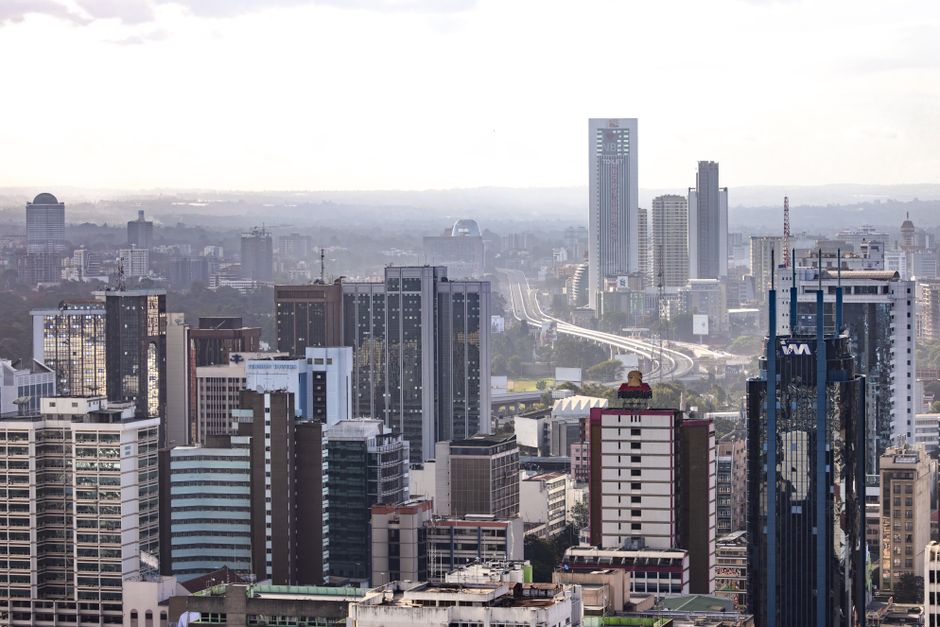
The gleaming office towers along Waiyaki Way and the buzzing trading floors in Westlands paint a picture of dynamism, yet beneath the surface, Nairobi's investment sector is grappling with mounting pressures that threaten to derail momentum built over the past three years.
The Central Bank of Kenya's continued hawkish stance has kept the policy rate elevated, with knock-on effects rippling through equity markets and fixed-income portfolios. While inflation has moderated from its 2023 peaks, the shilling's ongoing vulnerability against major currencies has made dollar-denominated investments less attractive for retail investors, a demographic that once drove significant trading volumes on the Nairobi Securities Exchange.
Property valuers operating from offices around Upper Hill report a noticeable chill in the real estate finance segment. Construction financing has become prohibitively expensive, with commercial mortgage rates hovering near double digits. Developers who staked expansion plans on cheaper capital are now reassessing projects, particularly in satellite towns like Ruai and Athi River where speculative investment had accelerated.
For the ordinary Nairobian, the math is brutal. A middle-class household in Karen or Kilimani managing school fees, rent and utilities faces minimal surplus for discretionary investment. Unit trust redemptions have outpaced new subscriptions for four consecutive quarters, according to industry observers, as families prioritize immediate needs over wealth building. The cost of living, stubbornly high despite central bank interventions, has fundamentally altered savings behaviour across income brackets.
Institutional investors are also hedging their bets. Asset managers operating from the financial district around Chiromo Road report increased allocation to defensive positions and cross-border opportunities, seeking returns unavailable in the domestic market. Currency hedging costs have spiked, further eroding margins for fund managers.
Technology and fintech firms, once seen as growth engines, face their own headwinds. Rising operational costs and regulatory scrutiny have squeezed margins. Digital lending platforms, which expanded aggressively into underserved markets across Eastlands and Makadara, are now recalibrating risk models after elevated default rates exposed the vulnerability of overleveraged borrowers.
Yet amid these challenges lies opportunity. Forward-thinking institutions are repositioning around green finance and agricultural investment, sectors offering both resilience and alignment with Kenya's development priorities. The question for Nairobi's investment community is whether this pivot can gather pace quickly enough to offset the headwinds bearing down on 2026.
This article was compiled by AI from the sources linked above and screened before publishing. See our editorial standards.
How does this story make you feel?
Spread the word
About this article
Published by The Daily Nairobi
Daily brief
Free, in your inbox before 7am. Weekdays.
More in Business