Global Shocks Hit Home: How International Instability Is Reshaping Nairobi's Business Landscape
From currency swings to supply chain chaos, the world's geopolitical tremors are forcing Nairobi's entrepreneurs to rethink their financial strategies.
From currency swings to supply chain chaos, the world's geopolitical tremors are forcing Nairobi's entrepreneurs to rethink their financial strategies.

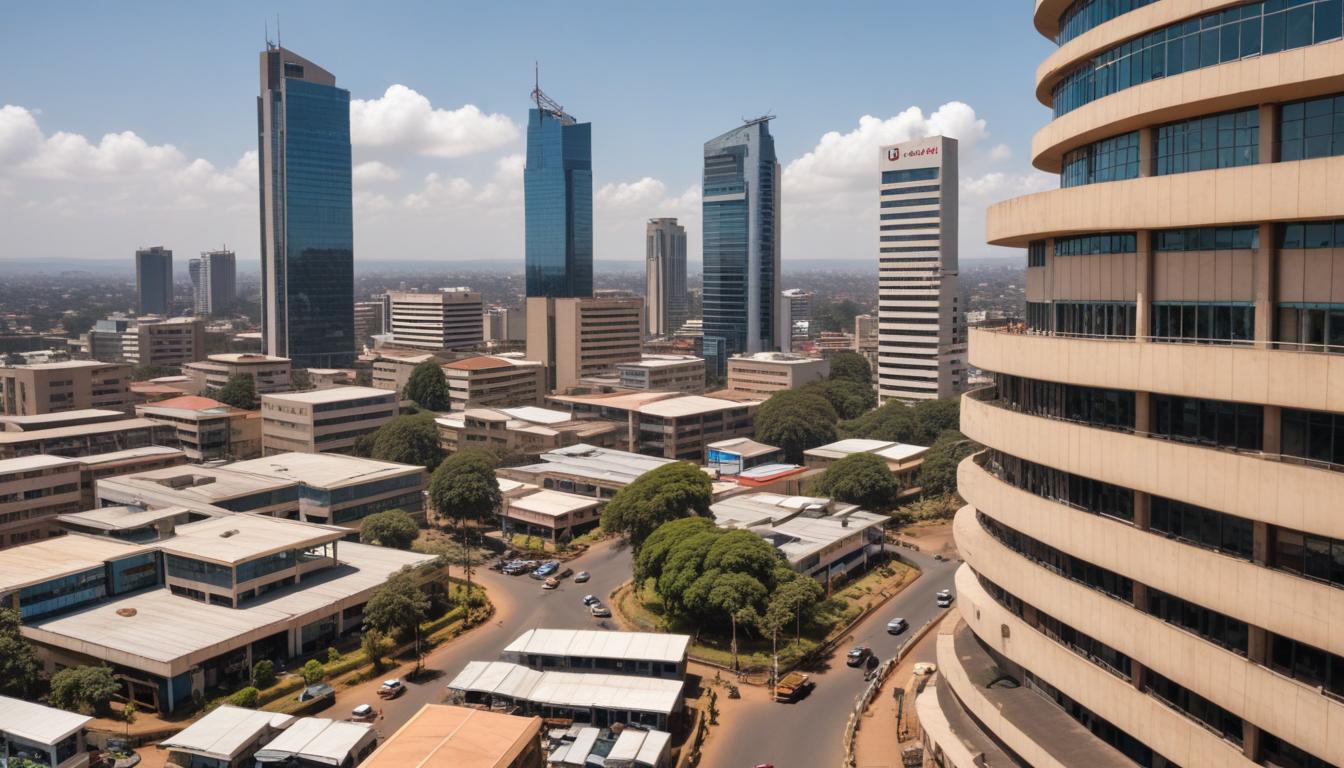
Walk down Kimathi Street any weekday morning and you'll hear a familiar refrain in office lobbies and cafes: the world is becoming too unpredictable. For Nairobi's business community, this isn't idle chatter—it's the lived reality of operating in an increasingly volatile global environment that directly threatens local profitability and investment returns.
The numbers tell the story. Over the past eighteen months, the Kenyan shilling has experienced significant pressure against major currencies, forcing businesses across Westlands and the CBD to recalculate margins on imported goods. A retailer importing electronics from Asia or textiles from South Asia now faces costs that swing wildly based on forces entirely beyond their control: Middle Eastern tensions affecting shipping routes, currency fluctuations tied to US Federal Reserve decisions, and regional conflicts disrupting supply chains that feed into Kenya's manufacturing sector.
The impact cascades through the local economy. Small and medium enterprises operating from industrial parks in Ruaraka and Embakasi—traditionally Kenya's manufacturing backbone—report that raw material costs have become unpredictable. A business owner sourcing components for automotive assembly might budget for one price in January, only to face a 15-20% increase by March due to geopolitical disruptions affecting international logistics.
Real estate investment, traditionally Nairobi's most accessible wealth-building vehicle, is also under pressure. Property developers operating in emerging areas like Kilimani and along the Southern Bypass are finding that construction financing has become more expensive as global uncertainty drives up international borrowing costs. Local banks, themselves exposed to currency risks and international market volatility, have tightened lending terms accordingly.
The hospitality and tourism sectors—critical engines for Nairobi's service economy—face their own headwinds. International travel uncertainty, visa policy shifts, and geopolitical risk assessments directly affect visitor numbers to establishments across Nairobi's CBD and entertainment districts. Conference bookings at major venues have become more cautious, impacting everything from hotel occupancy to event management businesses.
What's emerging is a bifurcation: larger corporations with international hedging capacity and diversified supply chains are weathering the storm, while smaller players lack those tools. Business improvement associations representing traders in areas like Parklands and Kilimani report heightened anxiety about the second half of 2026.
The lesson is stark. Nairobi's entrepreneurs can no longer treat global events as distant background noise. From Venezuelan economic collapse affecting remittance patterns to Middle Eastern tensions reshaping shipping costs, the interconnected world economy means that decisions made in distant capitals directly hit local balance sheets. Adaptation—through diversification, hedging, and strategic repositioning—is no longer optional.
This article was compiled by AI from the sources linked above and screened before publishing. See our editorial standards.
How does this story make you feel?
Spread the word
About this article
Published by The Daily Nairobi
Daily brief
Free, in your inbox before 7am. Weekdays.
More in Business