Nairobi's Office Market in Flux: What Businesses Need to Know Right Now
Rising construction costs and hybrid work trends are reshaping demand across the capital's prime commercial districts, forcing tenants and landlords to recalibrate expectations.
Rising construction costs and hybrid work trends are reshaping demand across the capital's prime commercial districts, forcing tenants and landlords to recalibrate expectations.
Nairobi's commercial property landscape is undergoing a significant recalibration as businesses grapple with economic headwinds and shifting workplace preferences. Market data from the first half of 2026 reveals a complex picture that savvy operators need to understand before making leasing or investment decisions.
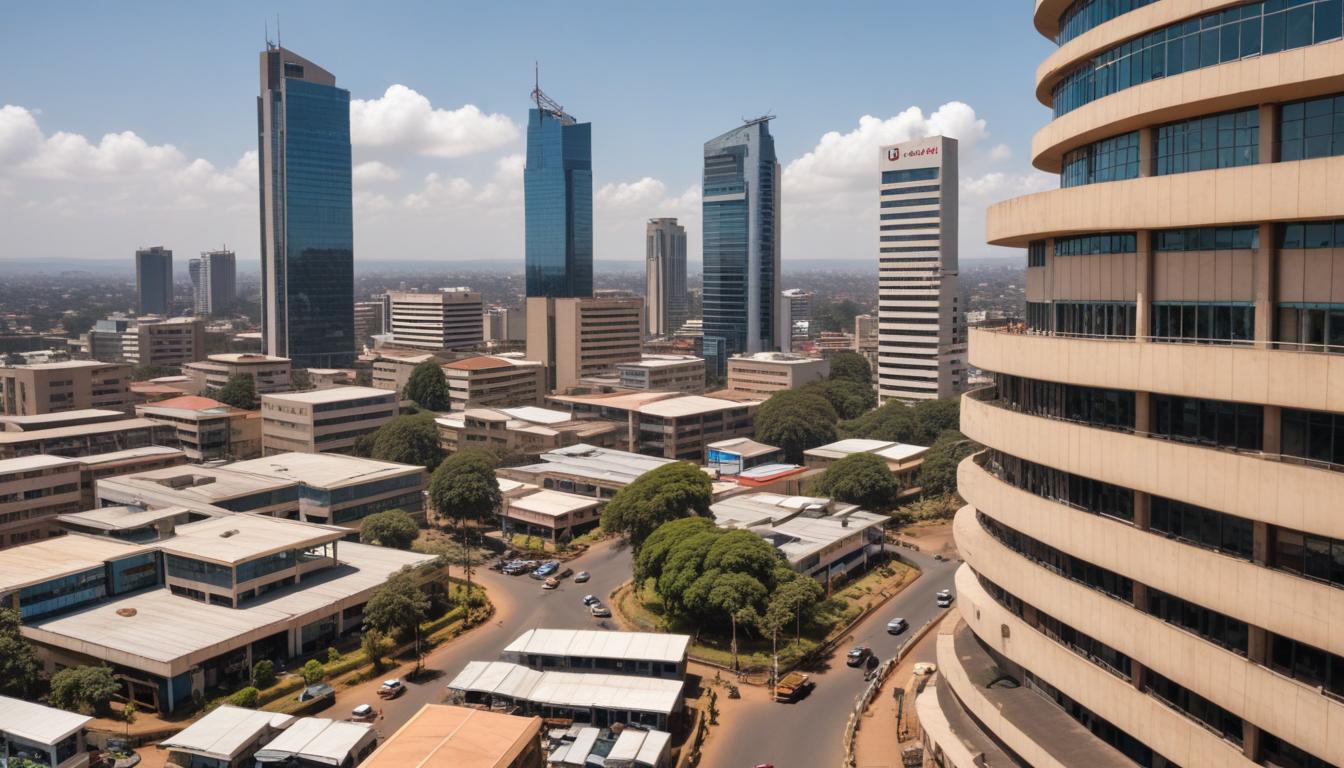
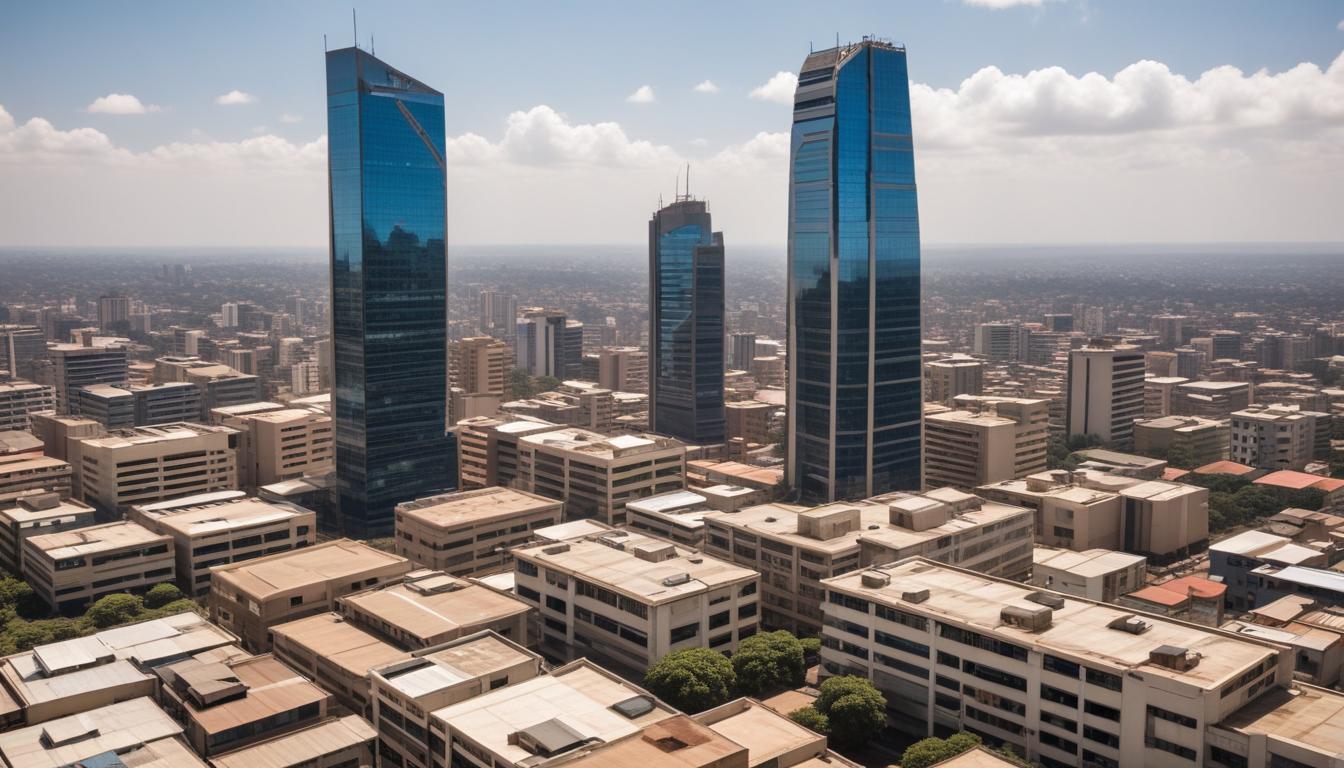
The Upper Hill and Westlands corridors—traditionally Nairobi's most coveted office addresses—are experiencing pronounced tenant caution. Grade A office space in these zones, typically commanding premiums of Ksh 1,800 to 2,200 per square metre monthly, is seeing longer vacancy periods than in previous years. Landlords who invested heavily during the 2020-2023 boom are now competing fiercely for quality tenants, with incentives including rent-free periods and fit-out contributions becoming increasingly common.
Conversely, emerging nodes along the Southern Bypass and around the Karen-Langata interface are attracting growing interest. Developers report stronger leasing momentum in these areas, where monthly rates average Ksh 900 to 1,200 per square metre—substantially lower but with improved transport connectivity and proximity to the industrial parks. This shift reflects a broader recalibration, particularly among mid-market firms and tech companies seeking cost efficiency without downtown congestion.
The hybrid work phenomenon continues reshaping space requirements. Many multinational corporations and regional headquarters, once anchors for Class A towers in the CBD and Upper Hill, are consolidating their Nairobi footprints or redesigning offices to accommodate flexible arrangements. This has created pockets of oversupply in older commercial buildings downtown, while demand intensifies for modern, amenity-rich spaces with hot-desking infrastructure.
Construction cost inflation remains a persistent challenge. Materials and labour expenses have risen approximately 18-22 percent year-on-year, according to industry assessments, constraining new supply and making speculative development riskier. This scarcity paradoxically benefits existing landlords with well-maintained stock, but delays anticipated pipeline projects across Nairobi.
Retail components within mixed-use developments face their own pressures. The e-commerce acceleration and consumer shift away from traditional shopping destinations have dampened enthusiasm for large anchor tenants in some malls, though food and beverage outlets remain resilient.
For businesses evaluating their next move, the message is clear: leverage current landlord flexibility to negotiate favourable terms, but scrutinise location strategy carefully. Prime addresses still command premiums, but secondary locations increasingly offer compelling value for cost-conscious operators willing to embrace emerging nodes. The market rewards informed decision-making more than ever.
This article was compiled by AI from the sources linked above and screened before publishing. See our editorial standards.
How does this story make you feel?
Spread the word
About this article
Published by The Daily Nairobi
Daily brief
Free, in your inbox before 7am. Weekdays.
More in Business