Nairobi's Job Market Under Siege: How Global Shocks and Local Headwinds Are Squeezing Employment in 2026
Rising living costs, currency volatility, and weakening investor confidence are creating a perfect storm for jobseekers across Kenya's capital.
Rising living costs, currency volatility, and weakening investor confidence are creating a perfect storm for jobseekers across Kenya's capital.
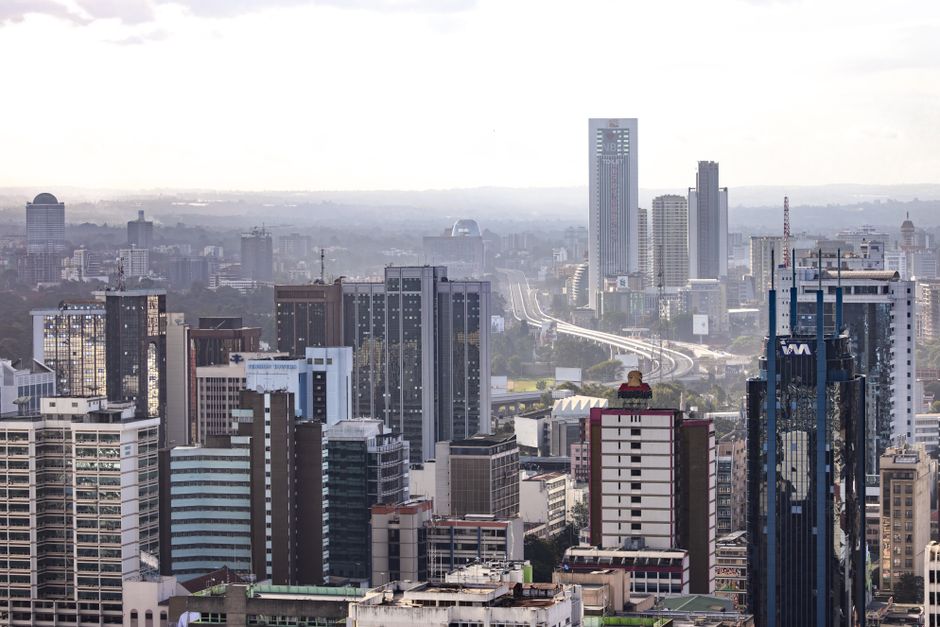
Walk through Westlands or the tech hubs clustered around the Nairobi Central Business District, and the optimism of previous years feels distinctly muted. Six months into 2026, Nairobi's labour market is grinding under pressure from multiple directions—a sobering reality for the hundreds of thousands of professionals and entrepreneurs who call the capital home.
The numbers tell a troubling story. Youth unemployment in the greater Nairobi metropolitan area has edged toward 18%, according to recent labour ministry surveys, while underemployment—workers stuck in gig roles or positions well below their qualifications—remains stubbornly high. For graduates emerging from institutions along State House Road or the sprawling campuses of Nairobi's universities, the pipeline from classroom to stable employment has narrowed considerably.
Global headwinds are translating directly into local pain. The currency volatility that has hammered the shilling against major trading currencies has forced multinational companies—many headquartered in Nairobi's commercial corridors around Parklands and Upper Hill—to freeze hiring and review operational costs. Tech firms that once aggressively recruited software engineers and product managers have shifted to leaner, remote-first models. One major IT services firm recently consolidated three Nairobi offices into one, a consolidation repeated across the sector.
Local economic fundamentals aren't helping. The cost of living in Nairobi has jumped visibly: a one-bedroom apartment in Kilimani or Kileleshwa now routinely exceeds 45,000 shillings monthly, while office space in prime business districts commands premium rates that squeeze smaller employers. These pressures trickle down to wage negotiations and hiring freezes.
The hospitality and tourism sectors—traditionally significant employment engines for the city—remain volatile. Post-pandemic recovery has plateaued as global travel patterns remain unpredictable, dampening job creation in hotels along Mombasa Road and across the city's conference venues.
Manufacturing sectors that once anchored industrial estates in Donholm and Embakasi have seen reduced orders, cutting casualised labour roles. Even the financial services ecosystem, concentrated around Nairobi Securities Exchange's offices and the banking belt, has been cautious about expansion.
Yet there are glimmers. The digital economy continues generating opportunities for those with skills in data science and cybersecurity. Green energy projects remain active, and construction—despite slowdowns—still employs tens of thousands. The challenge for jobseekers is that these pockets of growth cannot absorb the flood of skilled professionals displaced from contracting sectors.
As Nairobi enters the second half of 2026, the city's workers face a market that demands resilience, upskilling, and considerable patience. For policymakers, the pressure is mounting to address the structural constraints that make creating quality employment increasingly difficult.
This article was compiled by AI from the sources linked above and screened before publishing. See our editorial standards.
How does this story make you feel?
Spread the word
About this article
Published by The Daily Nairobi
Daily brief
Free, in your inbox before 7am. Weekdays.
More in Business