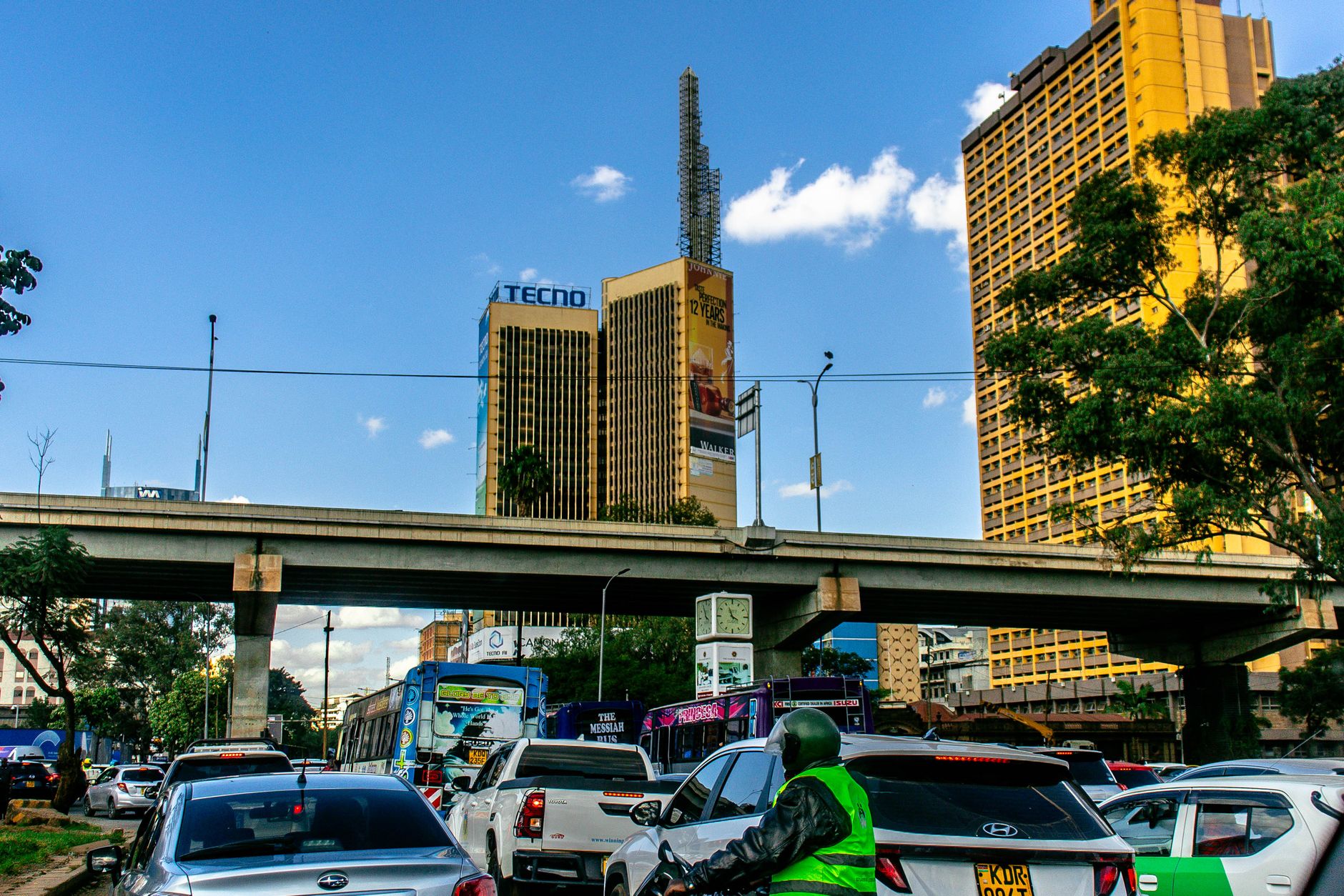
The past six months have been turbulent for Nairobi's innovation ecosystem. While the city's startup scene—concentrated in Westlands, the Nairobi Innovation Hub on Westlands Road, and the burgeoning tech corridor around Upper Hill—has long positioned itself as Africa's most investor-friendly destination, global economic headwinds are now directly impacting deal flow and valuations for local founders.
According to preliminary data from the East Africa Venture Capital Association, cross-border funding commitments to Nairobi-based startups declined by approximately 22 percent in the first half of 2026 compared to the same period last year. The decline coincides with heightened geopolitical tensions globally, which have prompted international venture firms to consolidate their portfolios and redirect capital toward markets they perceive as lower-risk.
"International VCs are becoming increasingly selective," explains one investor familiar with the space, noting that firms previously committing $500,000 to $2 million in seed rounds are now raising those thresholds, effectively pricing out earlier-stage Nairobi companies. This shift has particular consequences for hardware and fintech startups, sectors that traditionally rely on overseas capital to scale manufacturing or expand across borders.
The timing is acute. Kenya's Central Bank has maintained interest rates at 11.5 percent—dampening local lending appetite—while the Nairobi Stock Exchange remains dominated by large-cap plays rather than growth-stage tech exits. For startups operating from spaces like Innovation Hub Kenya or the various co-working facilities along Muthangari Drive, this means dwindling pathways to the capital historically required for Series A rounds.
However, there are countertrends worth monitoring. Several Nairobi-based founders are pivoting toward regional expansion and joint ventures with East African peers, effectively creating larger investment targets that appeal to cautious international LPs. Meanwhile, local angel networks—including the Nairobi Angel Investors Network—are reportedly mobilizing larger capital pools to fill the gap left by international retrenchment.
For the broader business ecosystem, the message is clear: Nairobi cannot assume its status as Africa's innovation leader is insulated from global uncertainty. Startups with runway extending beyond 18 months are reviewing contingencies; those dependent on Series B raises are accelerating timelines. Some entrepreneurs are exploring non-dilutive funding via government incentive schemes and international development finance institutions.
As global capital reassesses risk allocation, Nairobi's founders are learning an old lesson anew: building resilient, locally-anchored businesses may matter more than chasing international valuations.
This article was compiled by AI from the sources linked above and screened before publishing. See our editorial standards.