Why Global Trade Chaos Should Matter to Your Grocery Bill: A Nairobi Resident's Guide
As supply chains fracture from Venezuela to the Middle East, Nairobi's consumers face hidden costs in everything from cooking oil to smartphone prices.
As supply chains fracture from Venezuela to the Middle East, Nairobi's consumers face hidden costs in everything from cooking oil to smartphone prices.

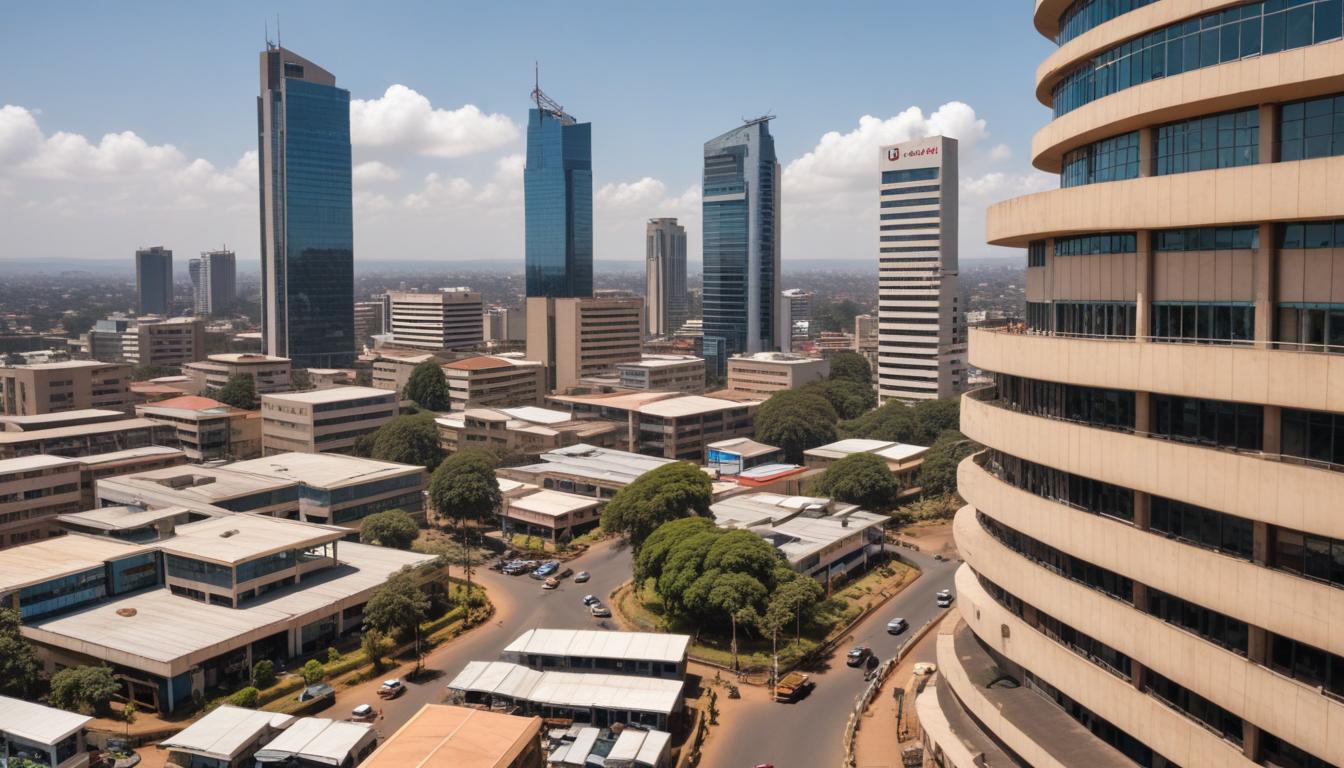
The next time you stop at a supermarket along Ngong Road or browse the stalls at Wakulima Market, consider this: the price you pay for imported goods is no longer determined solely in Nairobi. It's determined by geopolitical tremors happening thousands of kilometres away—and recent global instability means your wallet feels the impact.
Over the past 18 months, trade routes that feed East Africa's supply chains have become increasingly volatile. Venezuela's ongoing crisis has disrupted oil markets globally, while escalating tensions between the United States and Iran threaten the Strait of Hormuz, through which nearly one-third of the world's seaborne oil passes. Pakistan's military incursions into Afghanistan are destabilising regional logistics corridors. These aren't abstract news items; they're materialising on Nairobi's shelves.
The mechanics are straightforward: when geopolitical risk rises, shipping insurance premiums climb. Container transit times lengthen. Suppliers demand higher prices. By the time goods reach retailers in Westlands, Parklands, or along Mombasa Road, that cost has been absorbed into what you pay. A kilogramme of imported vegetable oil that cost 450 shillings two years ago now regularly exceeds 680 shillings at major retailers.
Kenya's position as East Africa's logistics hub makes it particularly exposed. Our port in Mombasa depends on stable shipping routes that connect to global supply chains. Delays in Middle Eastern ports—where tensions between Washington and Tehran continue to simmer—mean delays reaching Mombasa, which cascade through Nairobi's distribution networks. Electronics retailers in the CBD report longer lead times for smartphones and laptop components. Pharmaceutical distributors have begun stockpiling medicines to buffer against future disruptions.
What should residents understand? First, supply shocks take weeks to show their full effect on retail prices. Second, certain categories are more vulnerable than others: electronics, pharmaceuticals, and petroleum products are first to feel pressure. Third, choosing locally-produced alternatives—where viable—provides some buffer. Nairobi's food producers and manufacturers offer options that insulate consumers from global volatility.
The Kenya Private Sector Alliance and Chamber of Commerce have begun advising businesses to diversify sourcing and reduce dependency on single-route imports. For consumers, the lesson is simpler: watch global headlines not as distant spectacles, but as early indicators of future price pressures. The Ebola outbreak in the Democratic Republic of Congo, the Pakistani-Afghan tensions, the Iran-U.S. posturing—each ripples across Nairobi's economy in ways that feel immediate when you're doing your weekly shopping.
This article was compiled by AI from the sources linked above and screened before publishing. See our editorial standards.
How does this story make you feel?
Spread the word
About this article
Published by The Daily Nairobi
Daily brief
Free, in your inbox before 7am. Weekdays.
More in Business