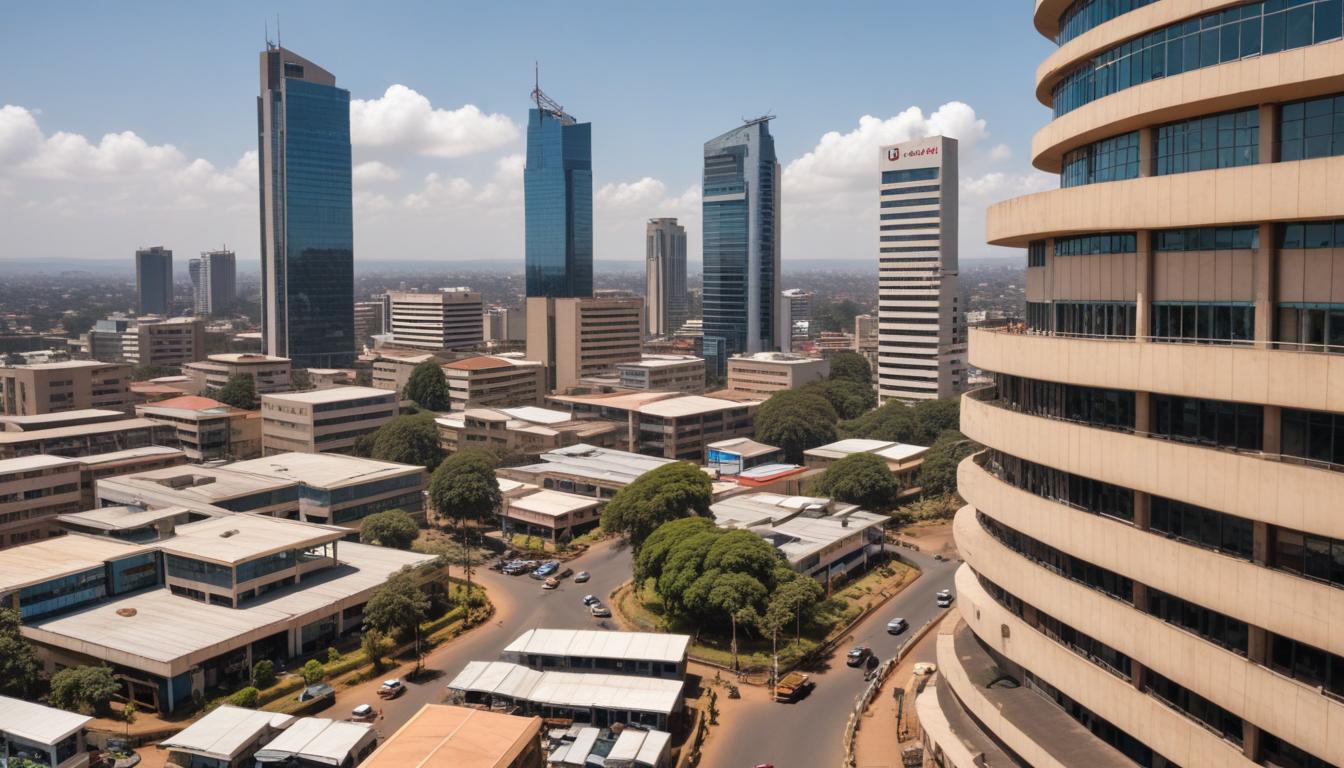
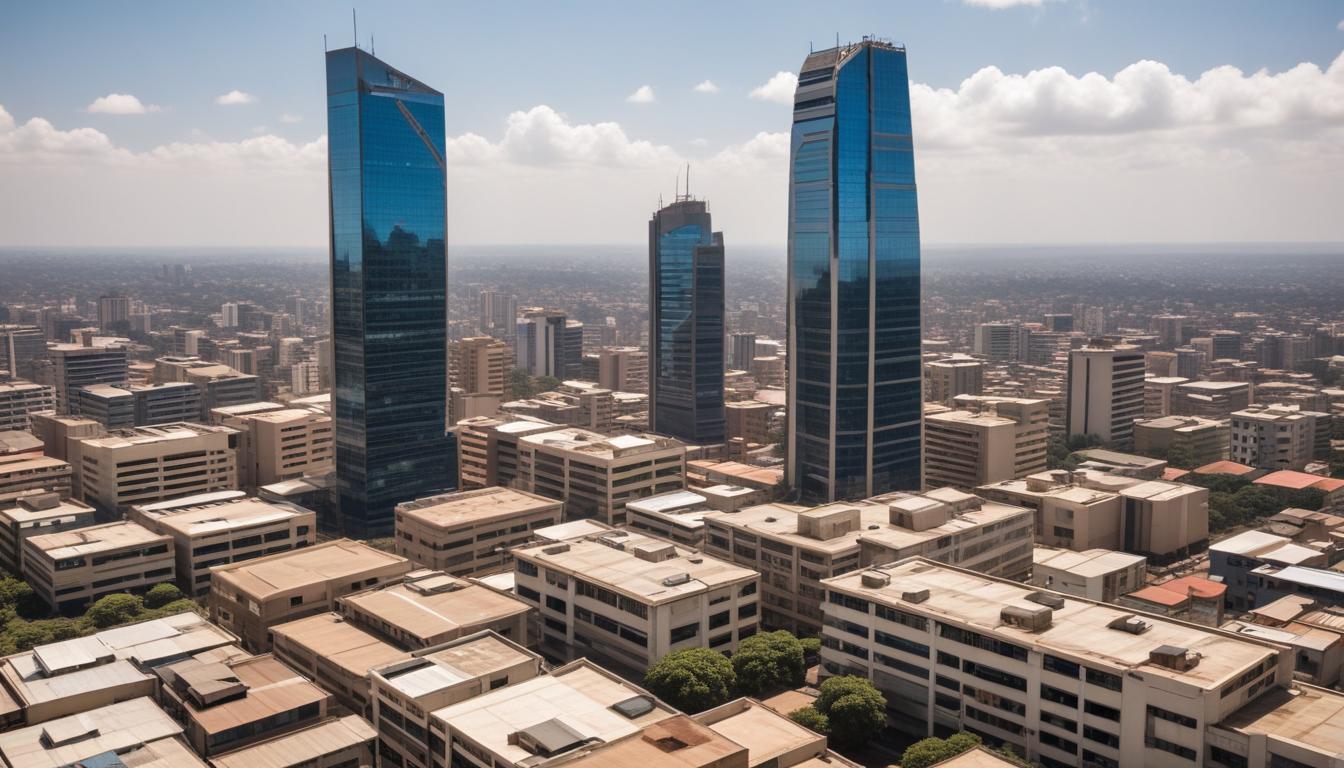
The optimism that defined Nairobi's business district in early 2026 has given way to cautious anxiety. Along Upper Hill and throughout the Westlands commercial hub, import-export firms and manufacturers are bracing for what many regard as the most uncertain trading environment in years.
Currency fluctuations have emerged as a primary headache. The Kenyan shilling has remained volatile against major currencies, complicating pricing strategies for exporters who rely on dollar-denominated markets. For firms based in the Kenya Export Processing Zones Authority industrial parks—particularly those in textiles, horticulture, and manufactured goods—the inability to lock in exchange rates has squeezed already thin profit margins by as much as 8-12 percent, according to conversations with trading houses in the Industrial Area.
Geopolitical tensions are reshaping supply chains in ways that feel immediate here in Nairobi. Middle Eastern tensions, South Asian regional conflicts, and broader great-power competition are forcing firms to rethink logistics routes and sourcing strategies. Container shipping routes through critical waterways have become unreliable, adding weeks to delivery schedules and inflating transportation costs. For Kenya's horticultural exporters—a sector that generated approximately 150 billion shillings last year—timing is everything. Delayed shipments mean spoiled cargo and lost European and Asian markets.
Import tariffs and protectionist policies imposed by major trading partners have added another layer of complexity. Several trading firms operating from business parks in Kilimani and Parklands report that raw material costs have jumped following new trade barriers in developed markets. A leather goods manufacturer contacted for background noted that input costs rose by nearly 15 percent in the first quarter alone.
The talent drain compounds these challenges. Skilled logistics coordinators, trade compliance officers, and international business specialists are increasingly relocating to regional hubs or abroad, drawn by higher salaries and more stable operating environments. This brain drain is hitting smaller and mid-sized trading companies particularly hard, limiting their ability to navigate increasingly complex regulatory environments.
Yet there are cautious signs of adaptation. Some firms in the Riverside and Westlands areas are diversifying their trading partnerships, reducing dependency on traditionally volatile markets. Regional African trade agreements, including the African Continental Free Trade Area, are receiving renewed attention as firms seek alternative pathways for growth.
For now, Nairobi's traders are locked in a holding pattern, hoping that the geopolitical temperature cools and currency markets stabilize before the second half of the year brings fresh shocks.
This article was compiled by AI from the sources linked above and screened before publishing. See our editorial standards.