Nairobi's Investment Sector Faces Perfect Storm of Headwinds in 2026
Rising inflation, currency volatility and geopolitical uncertainty are forcing investors and everyday residents to rethink their financial strategies.
Rising inflation, currency volatility and geopolitical uncertainty are forcing investors and everyday residents to rethink their financial strategies.
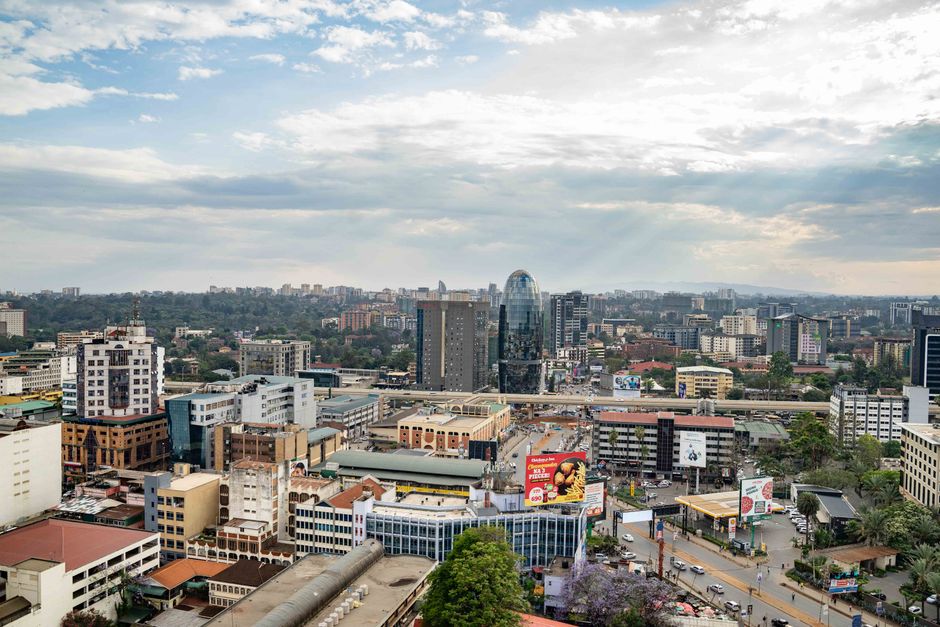
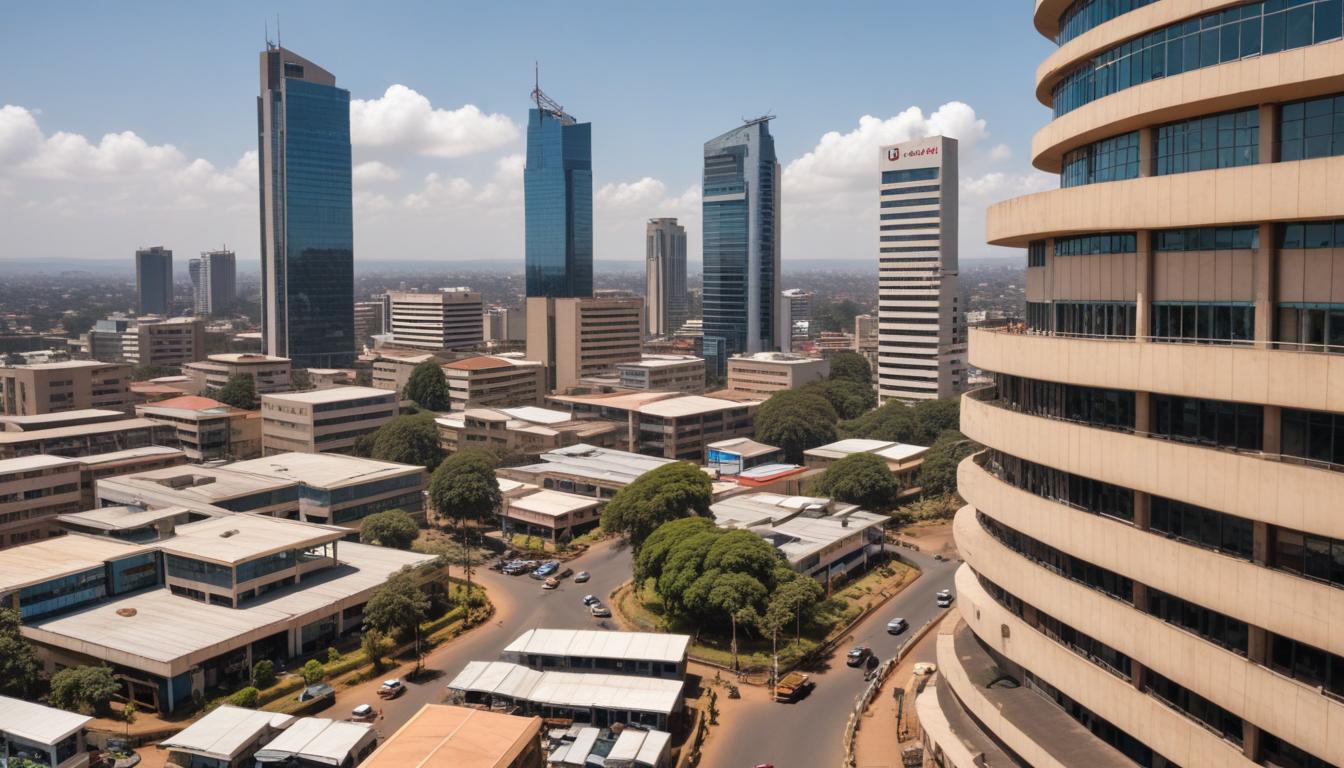
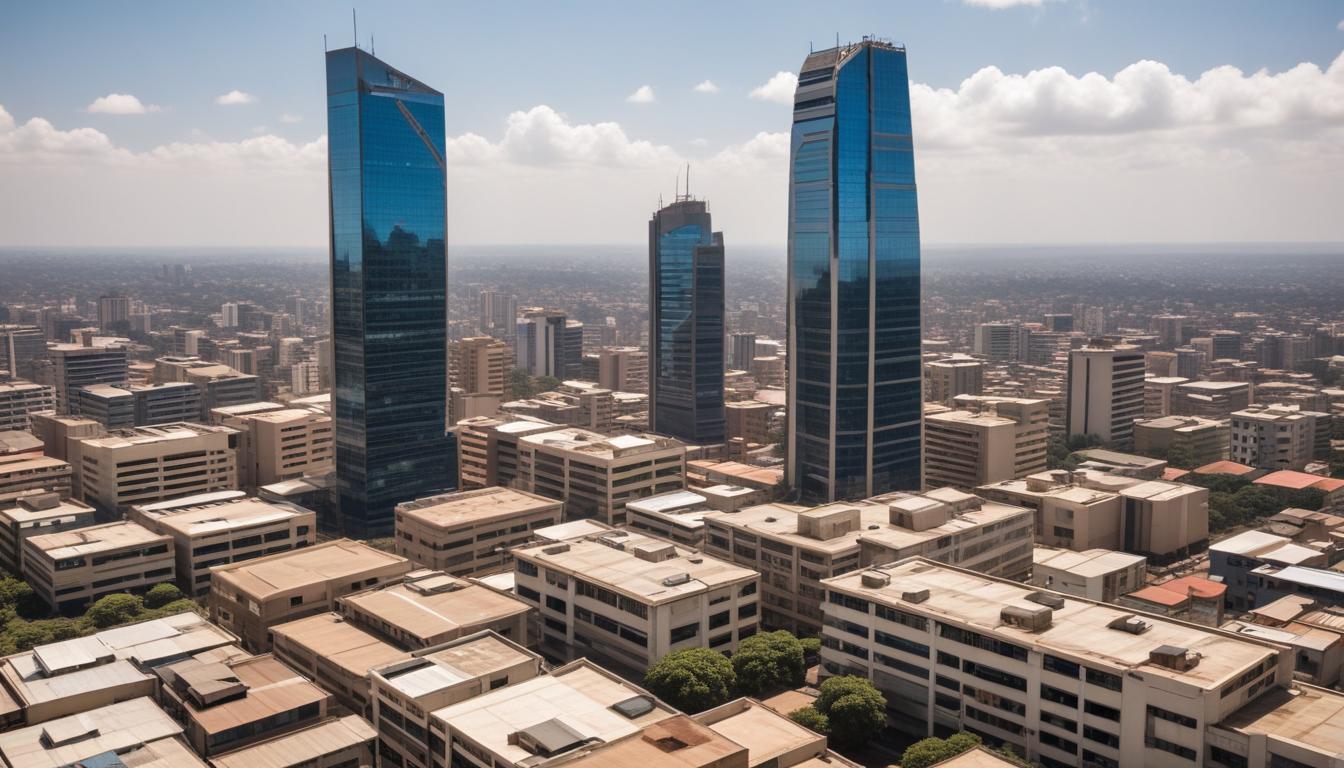
Nairobi's financial markets are navigating treacherous terrain. From the gleaming towers of Westlands to the bustling trading floors along Kimathi Street, investors and wealth managers are confronting a confluence of pressures that threaten to undermine the gains of recent years.
The challenges are unmistakable. Kenya's inflation rate, while moderating from its 2023 peaks, remains stubbornly elevated at levels that erode purchasing power across the city. A typical three-bedroom apartment in Kilimani that rented for 120,000 shillings monthly two years ago now commands 165,000 or more. Matatu fares from the CBD to Karen have climbed steadily, while a meal at mid-range establishments in Nairobi's restaurant-dense neighbourhoods reflects mounting operational costs borne by business owners.
Currency instability compounds these pressures. The Kenya shilling's fluctuations against major currencies create uncertainty for exporters based in Nairobi's industrial zones and multinational firms headquartered in the city's corporate hubs. Investors face difficult calculations when allocating capital across borders, particularly as regional and global tensions ripple through commodity markets and financial flows.
Geopolitical headwinds extend beyond currency markets. Supply chain disruptions stemming from Middle Eastern tensions and broader global instability have raised import costs, affecting everything from manufacturing inputs to consumer goods sold in Nairobi's retail corridors. Technology stocks, once darling assets for East African investors, have experienced volatility linked to international policy shifts and trade concerns.
The real estate sector, long a cornerstone of Nairobi wealth-building, faces particular strain. Interest rates, while beginning to ease, remain elevated enough to cool demand for mortgages. Property developers operating across Westlands, Upper Hill and emerging hotspots like Ruaka are reporting slower sales velocity and pressure on margins.
For ordinary Nairobi residents, the year has meant difficult trade-offs. Savings rates among middle-income earners have shifted as inflation erodes returns on traditional instruments. Young professionals navigating the property market in neighbourhoods like Kileleshwa and Embakasi face down-payment hurdles that seemed surmountable just eighteen months ago.
Yet opportunity persists amidst adversity. Nairobi's status as East Africa's financial hub means localised expertise remains valuable. Financial advisory firms, investment banks and wealth management companies operating from offices across the CBD continue attracting regional capital seeking stability and professional stewardship.
The question now is whether Nairobi's investment ecosystem can adapt quickly enough to these headwinds—or whether 2026 marks an inflection point requiring deeper structural shifts in how the city's residents think about money and growth.
This article was compiled by AI from the sources linked above and screened before publishing. See our editorial standards.
How does this story make you feel?
Spread the word
About this article
Published by The Daily Nairobi
Daily brief
Free, in your inbox before 7am. Weekdays.
More in Business