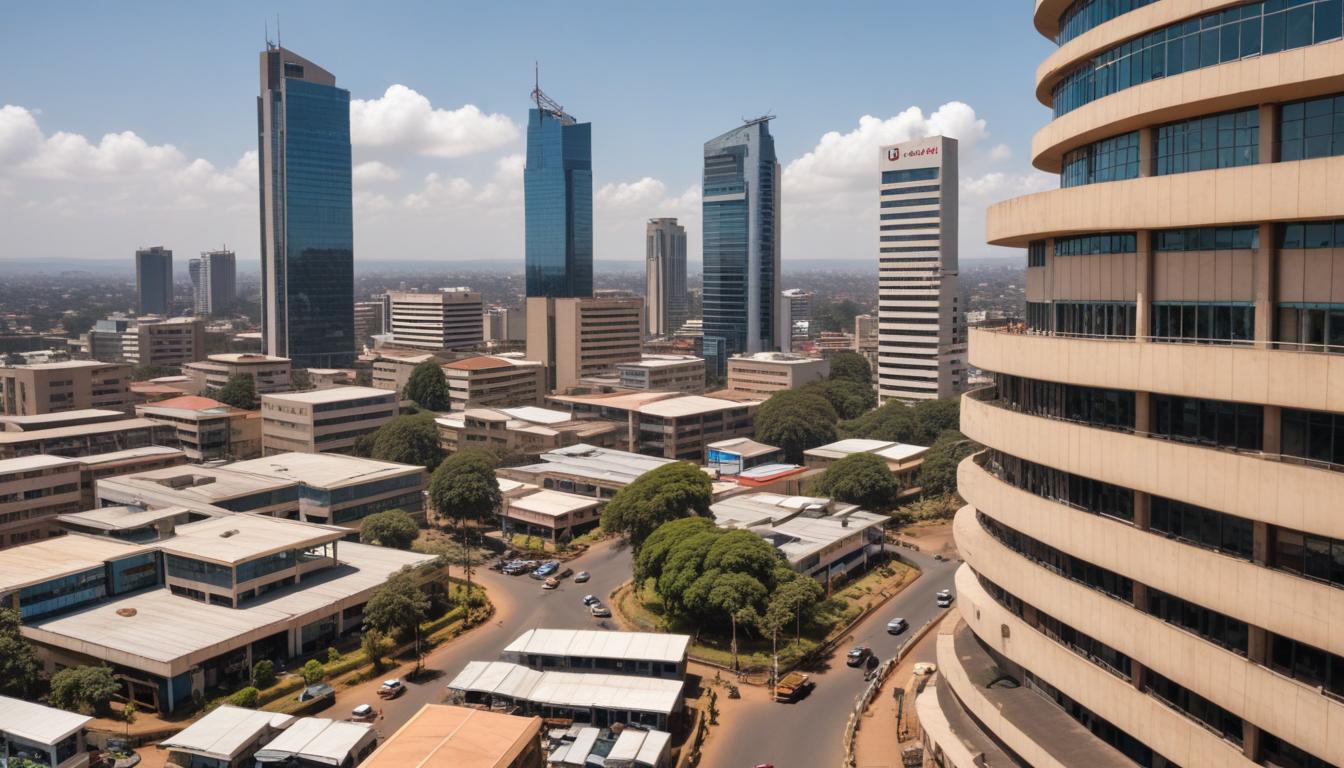
Nairobi's tourism sector is bracing for what industry analysts are calling a challenging year, as a confluence of global instability and local economic pressures threatens to dampen visitor numbers and spending across the capital's hospitality landscape.
The ripple effects are already visible. Hotels along Westlands and around the Nairobi CBD report occupancy rates hovering around 52-58% for mid-2026, down from historical averages of 65-70%. Tour operators working the popular game drive circuits to the Maasai Mara and Amboseli are reporting softened advance bookings, particularly from European and North American markets traditionally responsible for nearly 40% of Kenya's high-spending leisure tourists.
The headwinds are multifaceted. Ongoing Middle East tensions have made travel to the broader East Africa region feel less appealing to cautious international travellers, while economic uncertainty in major source markets has led many to postpone or downgrade their planned trips. Additionally, the weakening shilling against major currencies—trading near 160 to the dollar—has inflated the effective cost of Kenya holidays for foreign visitors, even as local hospitality businesses struggle with rising operational expenses.
Security concerns, though Nairobi itself remains relatively stable compared to regional flashpoints, continue to dampen bookings. Several travel advisory updates from Western governments citing general East Africa instability have prompted cancellations, particularly among group tours. Aviation costs remain elevated, with fuel surcharges and capacity constraints on regional routes adding friction to the visitor pipeline.
The pressure extends beyond five-star establishments. Mid-market and boutique operators in Kilimani, Upper Hill, and around the Nairobi National Park periphery report staffing challenges and margin compression as they navigate simultaneous pressures: higher input costs, stagnant room rates, and reduced walk-in traffic. Some smaller safari lodges report they've deferred planned renovations and expansion.
Tourism contributes roughly 4-5% of Kenya's GDP and employs hundreds of thousands directly and indirectly. Nairobi, as the gateway and business hub for the sector, feels the impact acutely. The Kenya Tourism Board and hospitality associations have pivoted toward domestic and regional markets, promoting staycation packages and regional corporate retreats. Some operators are experimenting with longer, low-cost stays to offset volume losses.
Industry sources suggest recovery depends on stabilization of global security dynamics and sustained local currency stability. For now, Nairobi's tourism professionals are managing expectations and weathering what many hope proves to be a cyclical downturn rather than a structural shift in travel patterns.
This article was compiled by AI from the sources linked above and screened before publishing. See our editorial standards.