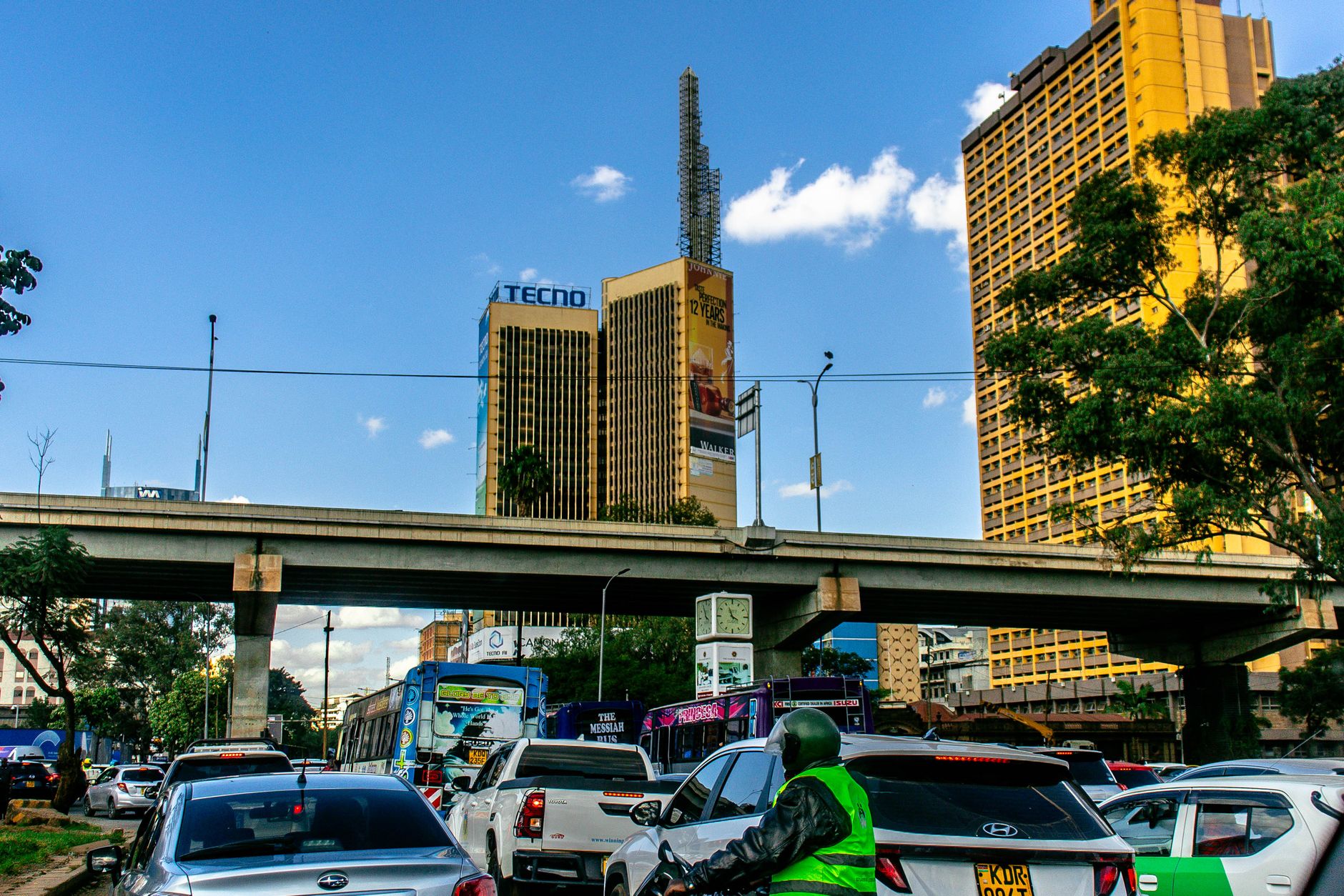
The coffee seller outside the Nation Centre on Kimathi Street noticed it first: fewer American tourists ordering espressos at premium prices. Then came the harder truth—her supplier in Ethiopia was delaying shipments because shipping costs from volatile Middle Eastern ports had doubled. By June, her profit margins had shrunk by nearly 30 percent.
She represents thousands of Nairobi business owners confronting a reality that international headlines often obscure: global economic instability doesn't just make news. It decimates spreadsheets.
The confluence of geopolitical tensions, currency fluctuations, and supply chain disruptions is forcing Nairobi's business community to recalibrate. The Kenyan shilling has weakened considerably against major currencies, making imports costlier—a particular squeeze for retailers in Westlands and the CBD who depend on foreign goods. Manufacturing hubs in the Industrial Area are reporting longer lead times and higher procurement costs. Even service sectors aren't spared; tech companies in the Nairobi Tech Hub worry about international client retention as global investment appetites cool.
The cost-of-living pressure compounds these challenges. Office rents in prime locations remain stubbornly high—commercial spaces in Upperhill and around State House Avenue command premium rates—while consumer purchasing power weakens. Restaurants and retail shops report declining footfall as middle-class Nairobians tighten spending on discretionary items.
What's particularly acute is the small-to-medium enterprise sector. Unlike multinational corporations with hedging strategies and diversified portfolios, traders at Gikomba Market and Muranga Road entrepreneurs operate with thin margins and limited currency protection. A shipment delay compounds into missed payments and missed opportunities.
Yet some business leaders see opportunity in constraint. Companies investing in local sourcing—partnering with farmers in Kiambu and Murang'a rather than relying solely on imports—report resilience. Digital payment platforms are expanding reach among cost-conscious consumers. Manufacturing companies are exploring import substitution strategies.
The question haunting Nairobi's investment circles is whether this is a temporary adjustment or a structural shift. As geopolitical tensions persist and global financial markets remain unpredictable, local businesses cannot simply wait out the storm. They're learning that insulation from global markets is impossible—but adaptation is essential.
For Nairobi to maintain its status as East Africa's financial hub, its business community must acknowledge what international news cycles reveal: we're all connected now. The tremors from Qatar peace talks, Middle Eastern strait tensions, and currency movements halfway across the world land directly on our balance sheets.
This article was compiled by AI from the sources linked above and screened before publishing. See our editorial standards.