Nairobi's tourism sector is experiencing unprecedented growth. International arrivals hit 1.9 million visitors in 2024, with projections suggesting a 12% annual increase through 2027. But what does this mean for the average resident navigating the city daily?
The most immediate impact is accommodation scarcity. Mid-range hotels in Westlands, Upper Hill, and along Nairobi's central business district are rapidly converting to short-term tourist rentals. Landlords find Airbnb returns—often 40-60% higher than long-term residential leases—irresistible. This has compressed available housing stock for permanent residents. A two-bedroom apartment in Kilimani that rented for 80,000 shillings monthly two years ago now commands 120,000 shillings, with many properties no longer available for local rental at any price.
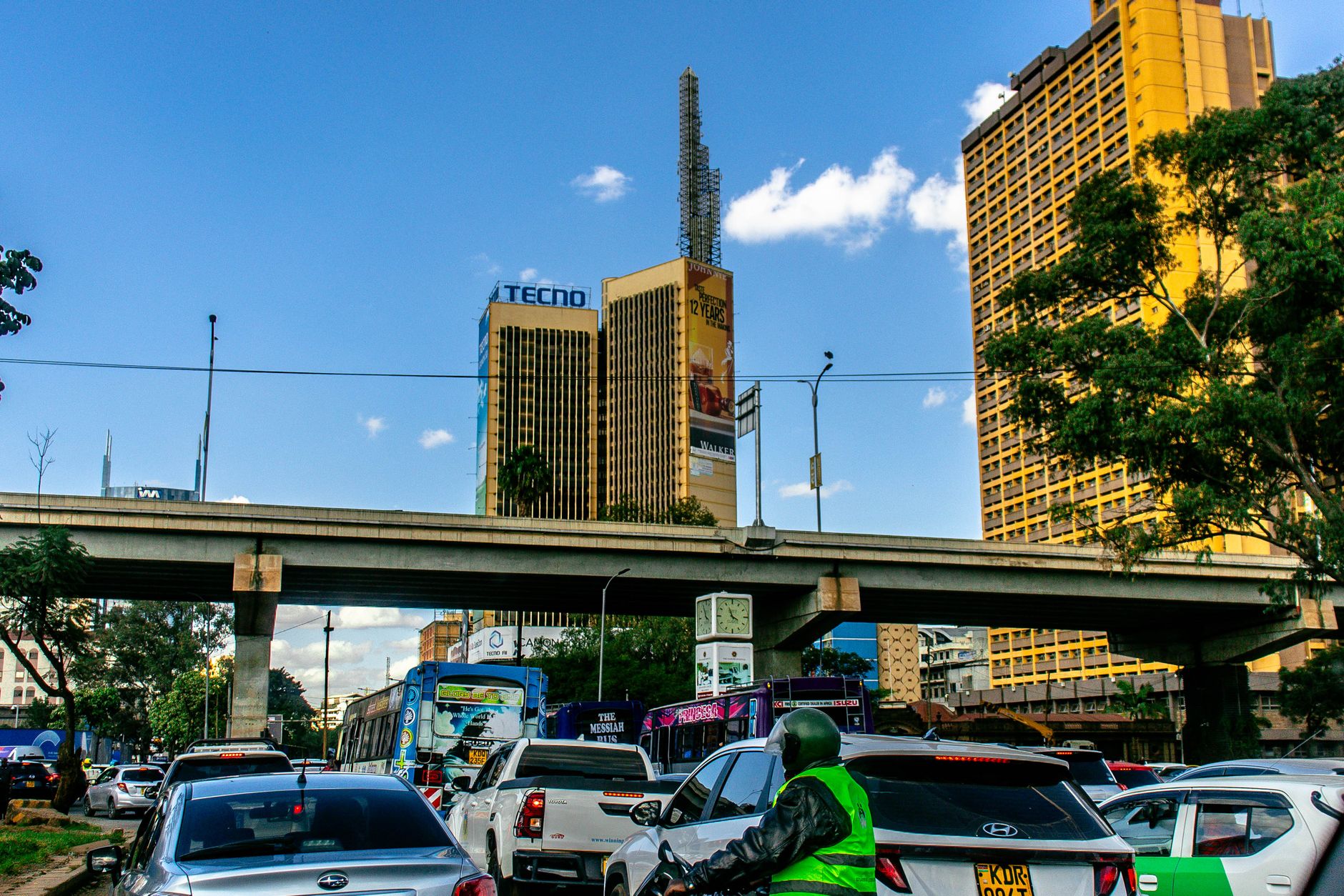
Traffic patterns have shifted noticeably. Visitors concentrated around the Nairobi National Park gate, the Giraffe Centre in Langata, and the David Sheldrick Wildlife Trust generate bottlenecks during peak seasons (June-August, December). Residents commuting from suburbs like Runda, Muthaiga, and Karen increasingly encounter tour buses and rental vehicles on previously predictable routes.
Employment opportunities are genuine but selective. The hospitality sector created approximately 8,500 direct jobs between 2023-2025, but most positions require specific skills. Hotel housekeeping, guiding, and restaurant work offer relatively stable income. However, many positions offer below-minimum wages or irregular hours. Informal economy workers—matatu operators, street vendors, and tour guides—have seen income volatility as tourist behaviour patterns shift unpredictably.
Consumer prices are rising in tourist-adjacent neighbourhoods. A cup of coffee costs 350 shillings at Village Market cafés frequented by visitors, versus 80 shillings in residential areas. Restaurants along Mama Ngina Street and around The Bomas of Kenya charge premium prices, though quality varies. Local businesses must compete for foot traffic alongside international brands.
The broader question residents should contemplate: Is Nairobi's tourism economy primarily benefiting external investors and large hospitality corporations, or are local communities capturing meaningful gains? Evidence suggests mixed outcomes. While some small businesses thrive serving visitors, many locals find their neighbourhoods increasingly unaffordable and transactional.
Understanding these dynamics isn't about opposing tourism. Rather, residents should demand transparency about planning decisions affecting their city—from zoning changes to wage standards in the tourism sector. Nairobi's visitor economy will continue expanding. How its benefits distribute remains partly within residents' hands through informed participation in civic discussions.
This article was compiled by AI from the sources linked above and screened before publishing. See our editorial standards.