From Startup to Game-Changer: How One Nairobi Entrepreneur is Reimagining the City's Tourism Appeal
A bold vision for sustainable visitor experiences is putting Kenya's capital on the map as a must-visit destination, one neighbourhood at a time.
A bold vision for sustainable visitor experiences is putting Kenya's capital on the map as a must-visit destination, one neighbourhood at a time.
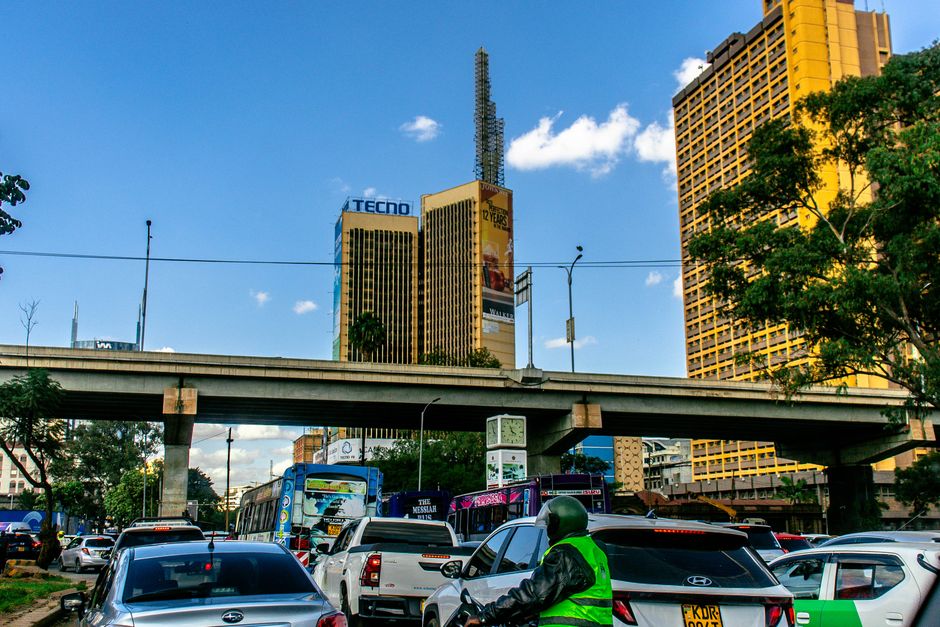
Walk through the regenerated alleyways of Kibera or the artisan quarter around Waiyaki Way, and you'll spot the handiwork of entrepreneurs reshaping Nairobi's tourism narrative. But few have done it as systematically as the community-focused operators building immersive experiences that attract international visitors while keeping profits rooted in local hands.
The numbers tell a compelling story. Kenya's tourism sector contributed approximately 8.5% to GDP in 2025, with Nairobi accounting for nearly 40% of all visitor arrivals. Yet much of that spending historically bypassed ordinary residents. That's changing as a new generation of hospitality entrepreneurs—many operating from converted colonial buildings in Westlands and emerging creative hubs in Pangani—design curated experiences centred on authentic local culture rather than generic safari packages.
These operators focus on mid-range accommodation, food tours through Nairobi's diverse neighbourhoods, and artisan collaborations that funnel tourism revenue directly to craftspeople. A typical three-day city experience now runs between $400–$800 per visitor, significantly undercutting international hotel rates while keeping margins healthier for local businesses. More importantly, these entrepreneurs employ guides, drivers, cooks, and support staff almost exclusively from surrounding communities.
The Nairobi Tourism Board reported a 23% year-on-year growth in cultural and experiential tourism bookings through independent operators in 2025—a sharp departure from the stagnant growth of traditional hotel-only tourism. The shift reflects broader global travel trends: post-pandemic visitors increasingly seek meaningful engagement with places and people, not isolation in luxury compounds.
What distinguishes the leading players is their commitment to sustainability. Several have partnered with environmental groups to ensure their operations don't strain water supplies or waste management systems—critical issues in sprawling urban centres like Nairobi. Some offer skills training programmes, creating pathways for young people into hospitality entrepreneurship.
The challenges remain real: inconsistent electricity supply, bureaucratic licensing hurdles, and competition from well-funded international chains continue to frustrate smaller operators. Yet momentum is undeniable. International travel platforms now feature hundreds of Nairobi-based independent experiences, often with superior ratings to conventional tourism offerings.
As global travel dollars increasingly seek authentic connections over standardised luxury, Nairobi's entrepreneurial tourism class is proving that the city's greatest asset isn't its proximity to wildlife—it's its people, culture, and resilience. These visionary business builders aren't just capturing tourism revenue; they're redefining what it means to experience Kenya's capital.
This article was compiled by AI from the sources linked above and screened before publishing. See our editorial standards.
How does this story make you feel?
Spread the word
About this article
Published by The Daily Nairobi
Daily brief
Free, in your inbox before 7am. Weekdays.
More in Business