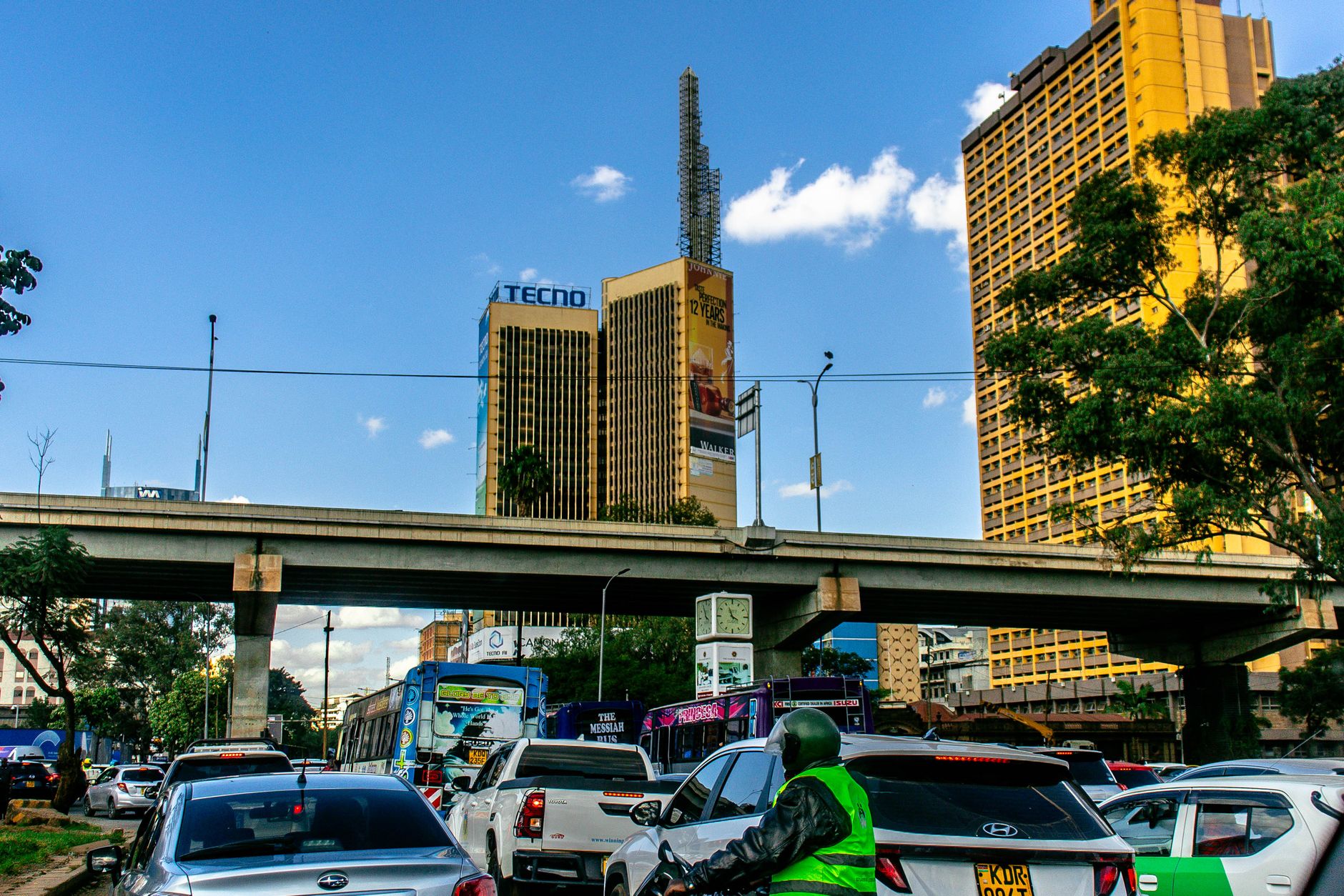
Walk through Nairobi's bustling business district—from the congested lanes of River Road to the gleaming towers of Westlands—and you'll hear a familiar refrain: everything costs more, and the culprits are thousands of kilometres away.
The escalating tensions between the US and Iran, Pakistan's strikes in Afghanistan, and broader global supply chain disruptions are rippling through Kenya's capital in ways that directly threaten local livelihoods. A 50-kilogramme bag of wheat flour, once a staple budget item, now hovers around 3,500 shillings—up nearly 18 per cent in six months. Cooking oil prices remain stubbornly elevated at 350-400 shillings per litre, while petrol fluctuates with each headline about Middle Eastern geopolitics.
For Nairobi's business community, the mathematics are unforgiving. Small traders along Kimathi Street and Kenyatta Avenue report razor-thin margins as input costs surge. A matatu operator on the Ngong Road route now spends over 8,000 shillings daily on fuel alone—double the figure from two years ago. Restaurant owners in Kilimani and Westlands have quietly raised menu prices by 15-20 per cent, watching customer frequency drop correspondingly.
The currency dimension amplifies the pain. Kenya's shilling, volatile against the dollar, makes imported goods prohibitively expensive just as many local manufacturers depend on foreign components. Importers at the Port of Mombasa face unpredictable shipping costs linked to Suez Canal tensions and insurance premiums tied to regional instability.
Yet Nairobi's entrepreneurs are adapting with characteristic resilience. Some manufacturers are aggressively localising supply chains, sourcing raw materials regionally rather than globally. Digital businesses in the tech hub around Bishop Road are capitalising on the shift toward remote work and e-commerce solutions. Export-oriented firms are leveraging weaker shilling dynamics, though few can afford complacency.
The broader picture is sobering. While Nairobi remains East Africa's commercial engine, global turbulence has exposed the city's vulnerability to external shocks. Businesses dependent on stable import prices or predictable currency rates face structural challenges that no amount of local innovation can fully offset.
As negotiations between the US and Iran resume, and global supply chains remain strained, Nairobi's traders are learning a harsh lesson: in today's interconnected world, stability in the Middle East directly determines whether a Nairobian family can afford maize meal for dinner.
This article was compiled by AI and screened before publishing. See our editorial standards.