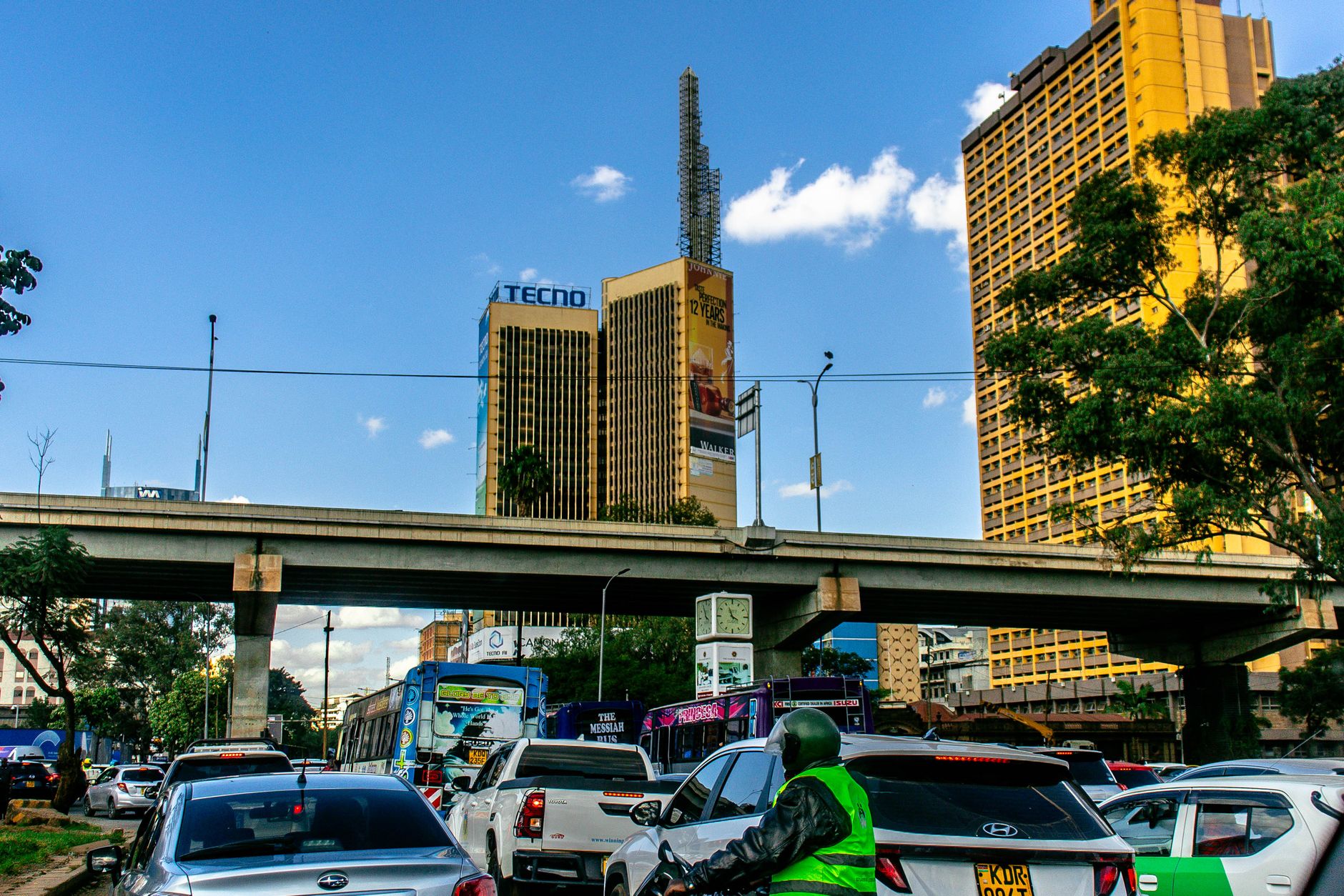
The phones at Nairobi's major hotels have been ringing less frequently this quarter. At properties along Westlands and around the Upper Hill business district, booking agents report a measurable drop in American and European visitors—a direct consequence of the global turmoil dominating headlines from Washington to the Middle East.
The numbers tell a stark story. Tourism contributes roughly 4.7 per cent of Kenya's GDP, and Nairobi remains the gateway for most international arrivals. Yet travel agencies along Mama Ngina Street report that US visitor bookings are down 18 per cent compared to the same period last year, while European enquiries have fallen 12 per cent. The culprits are familiar: prolonged political uncertainty in America, escalating tensions between Washington and Tehran, and growing security concerns that deter affluent leisure travellers.
For Nairobi's hospitality ecosystem—from the Serena and Hilton down to mid-range establishments in Kilimani and Karen—these global headwinds translate directly into empty rooms and shortened stays. Restaurant and bar operators along Thika Road and in the Westlands precinct report softer evening trade, while tour operators face cancelled safari bookings.
"People who would normally spend two weeks in Kenya are now doing a long weekend, or not coming at all," explains one tourism consultant working with properties in the area. "When Americans worry about their own elections or Middle East flashpoints, African travel becomes discretionary."
The spillover effects ripple beyond hotels. Laundry services, staff transport operators, food suppliers serving hospitality venues, and artisans selling crafts at Nairobi's markets all depend on visitor spending. Even established shopping areas like the Nairobi Serena shopping precinct have noted softer foot traffic from tourists.
Local recovery efforts are underway. Tourism boards and hotel associations are pivoting toward domestic tourism and regional visitors from East Africa, where geopolitical concerns carry less weight. Airlines are adjusting routes. But the hard truth remains: Nairobi's visitor economy is hostage to forces largely beyond local control.
The real question for business owners across the city is whether this dip reflects temporary market volatility or a structural shift in global travel patterns. Either way, adaptation—not hope—is now the operating principle for those whose livelihoods depend on welcoming the world to Nairobi.
This article was compiled by AI from the sources linked above and screened before publishing. See our editorial standards.