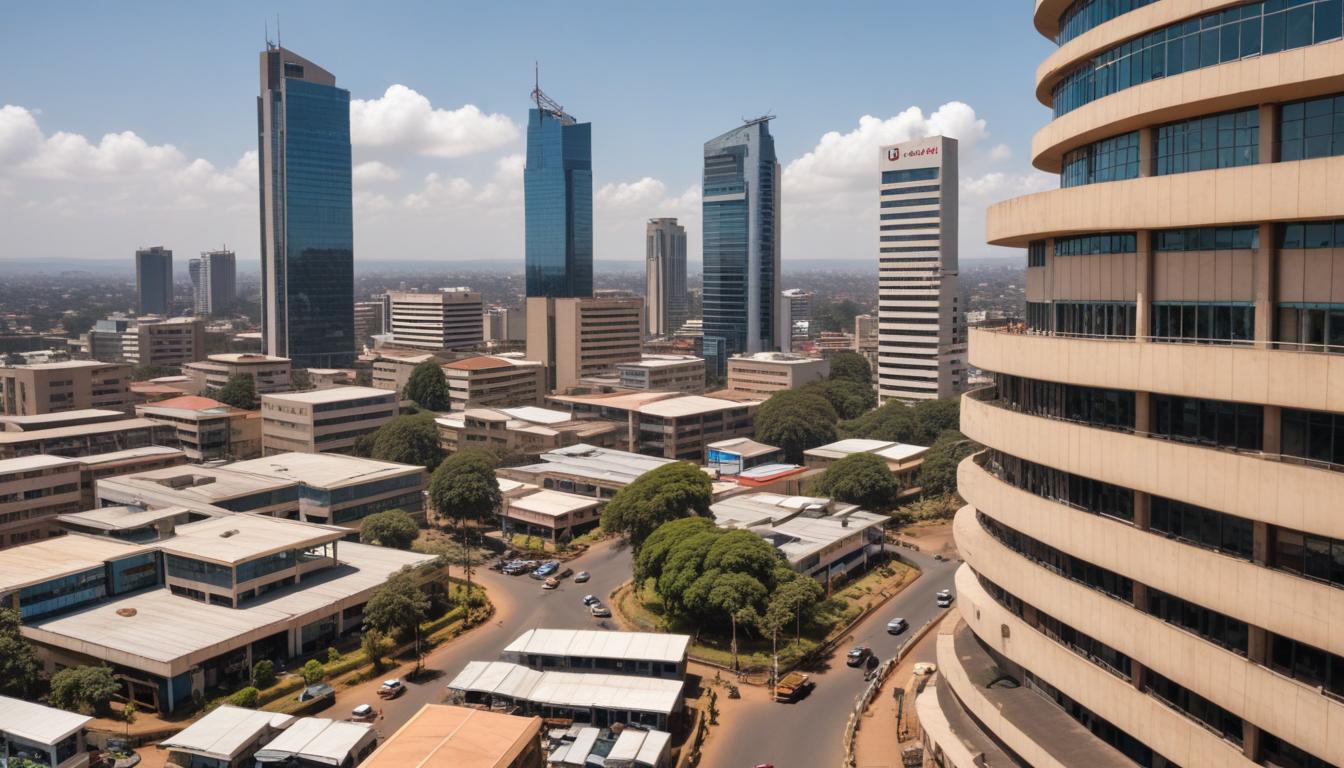
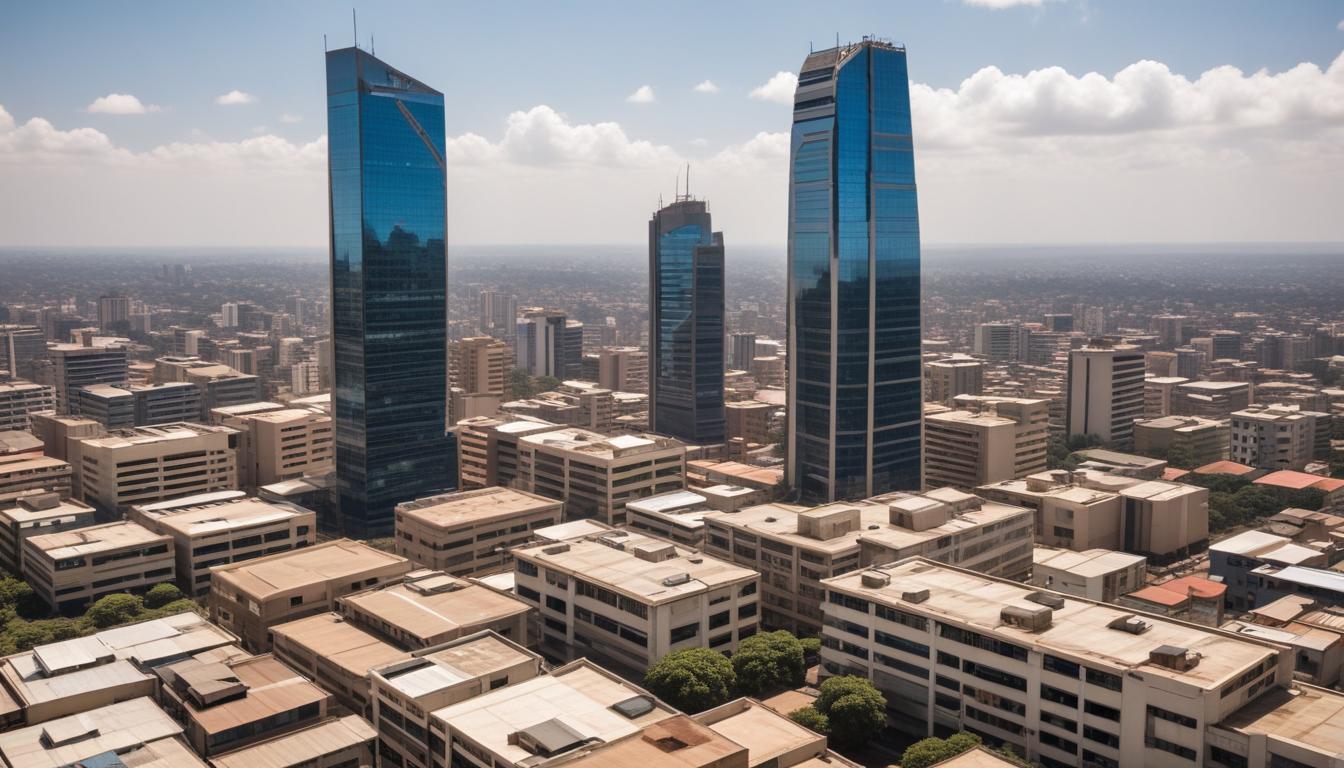
Walking through Nairobi's business district these days tells a story that extends far beyond Westlands and the Upper Hill corridors. The global tremors reshaping employment patterns across Latin America, the Middle East, and South Asia are now landing squarely in Kenya's job market, affecting everything from tech hiring to trade finance.
The Venezuelan crisis has already begun reshaping Nairobi's professional services sector. Multiple firms operating along Mama Ngina Street and in the Hurlingham commercial parks have quietly scaled back recruitment pipelines tied to Latin American operations. When parent companies face economic collapse, regional hubs like Nairobi—typically used to coordinate East and Southern African operations—become cost centres rather than growth investments.
"We're seeing delayed hiring decisions across the board," explains one recruitment consultant working from the Westlands offices, noting that multinational finance houses have postponed Q3 intake programmes. Tech talent scouts who were previously courting graduates from Strathmore University and the University of Nairobi's engineering programmes are now prioritising internal transfers over new hires.
The mining sector presents a more complex picture. While Trump administration policies have triggered volatility in commodity markets, Nairobi-based trading and logistics firms servicing African extraction industries face unpredictable demand. Several companies operating from the Industrial Area and Mombasa Road have trimmed their middle-management tiers, consolidating roles that once warranted separate positions.
Meanwhile, Middle Eastern geopolitical tensions are creating an unexpected boost for specific sectors. Insurance, legal services, and risk management firms clustered around Kilimani and the Nairobi Business Park are experiencing increased demand as multinational corporations reassess supply chain vulnerabilities. However, this demand is highly specialised—not translating into broad-based job creation for general labour categories.
The Pakistan-Afghanistan conflict, while geographically distant, has indirect consequences. Several Nairobi-based logistics and shipping coordinators report delays in African goods transiting through traditional Asian routes, forcing them to explore alternative corridors. This operational friction occasionally demands emergency staffing—but remains precarious.
Local economists note that Nairobi's traditional resilience—its position as a regional financial hub—now cuts both ways. The city attracts investment precisely because it's perceived as stable, yet it remains tethered to global capital flows. When uncertainty spikes in Venezuela, the Middle East, or South Asia, Nairobi's hiring managers pause.
For job seekers across the city's competitive market, the message is clear: specialisation in emerging sectors like risk management and supply chain diversification offers better prospects than general-purpose roles. Global instability, paradoxically, is creating pockets of opportunity—but only for those positioned to address it.
This article was compiled by AI from the sources linked above and screened before publishing. See our editorial standards.