Why Nairobi's Office Boom Matters to Your Rent, Your Job, and Your Commute
As commercial property prices surge in Westlands and the CBD, everyday residents are feeling the ripple effects—from landlord behaviour to transport gridlock.
As commercial property prices surge in Westlands and the CBD, everyday residents are feeling the ripple effects—from landlord behaviour to transport gridlock.

If you've noticed your landlord hinting at rent increases or your daily commute getting more congested, you're witnessing something bigger than coincidence. Nairobi's commercial property market is undergoing a dramatic shift, and unlike the gleaming tower projects that dominate business news, this transformation will touch nearly every resident's wallet and daily life.
The numbers tell a striking story. Commercial property prices in Westlands have climbed roughly 15-18% over the past 18 months, according to local property analysts, while office space in the CBD along Kenyatta Avenue and around the Nairobi Securities Exchange has become increasingly premium. A square metre of prime office space in Westlands now commands between Sh25,000 and Sh35,000 annually—rates that would have seemed unthinkable five years ago. This matters to you because landlords flush with capital from their commercial investments often look to residential properties as secondary income sources.
What's driving the shift? Tech companies, financial services firms, and multinational corporations are consolidating operations into fewer, larger, and more sophisticated office spaces. The flight from ageing buildings in areas like Nairobi CBD's River Road to modern complexes in Kileleshwa and Upper Hill has been relentless. This means older residential buildings in central locations are increasingly being eyed for conversion or redevelopment—pressure that ripples down to tenants through eviction notices or sudden rent hikes.
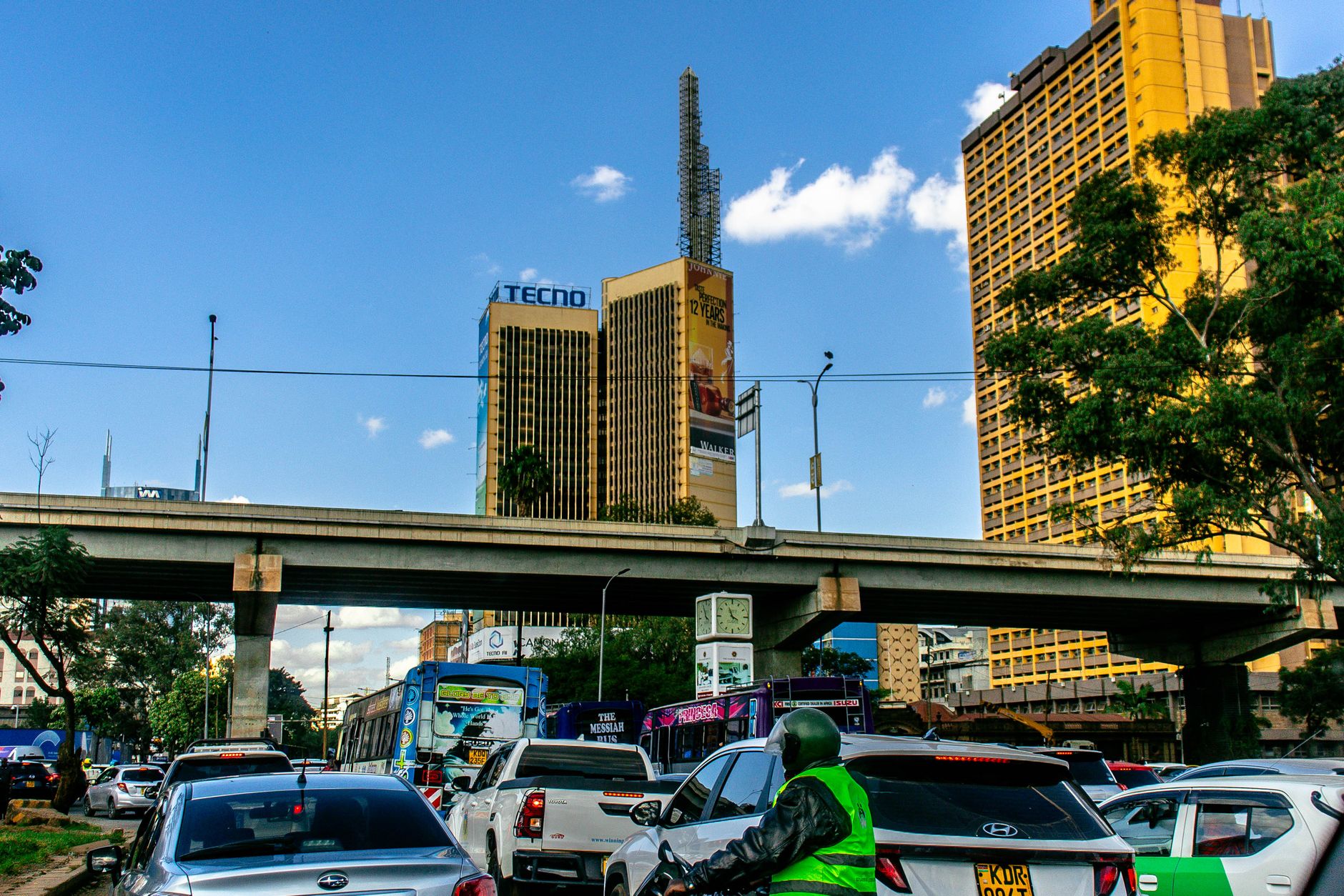
The commute problem is equally real. As office parks cluster in already-congested zones like Westlands and Nairobi West, peak-hour traffic has worsened noticeably. Workers travelling from affordable residential areas in South B, South C, or even further out in Rongai face longer, more expensive journeys. Public transport hasn't kept pace, making the daily commute a growing financial burden for ordinary workers.
For those considering purchasing property, the message is cautionary. Residential areas adjacent to booming commercial zones—parts of Kilimani, Parklands, and Lavington—are experiencing rapid price inflation. First-time buyers are being priced out faster than expected, even as rates remain ostensibly stable.
The silver lining? Competition for office space may eventually drive prices down in secondary markets like Nairobi West or Kasarani, potentially creating new job hubs outside the congested core. Infrastructure improvements around these emerging zones could make them attractive alternatives.
The fundamental takeaway: Nairobi's commercial property boom isn't a story for investors alone. It's reshaping where your colleagues work, how much your rent costs, and how long your commute takes. Paying attention to these trends isn't optional—it's survival.
This article was compiled by AI from the sources linked above and screened before publishing. See our editorial standards.
How does this story make you feel?
Spread the word
About this article
Published by The Daily Nairobi
Daily brief
Free, in your inbox before 7am. Weekdays.
More in Business