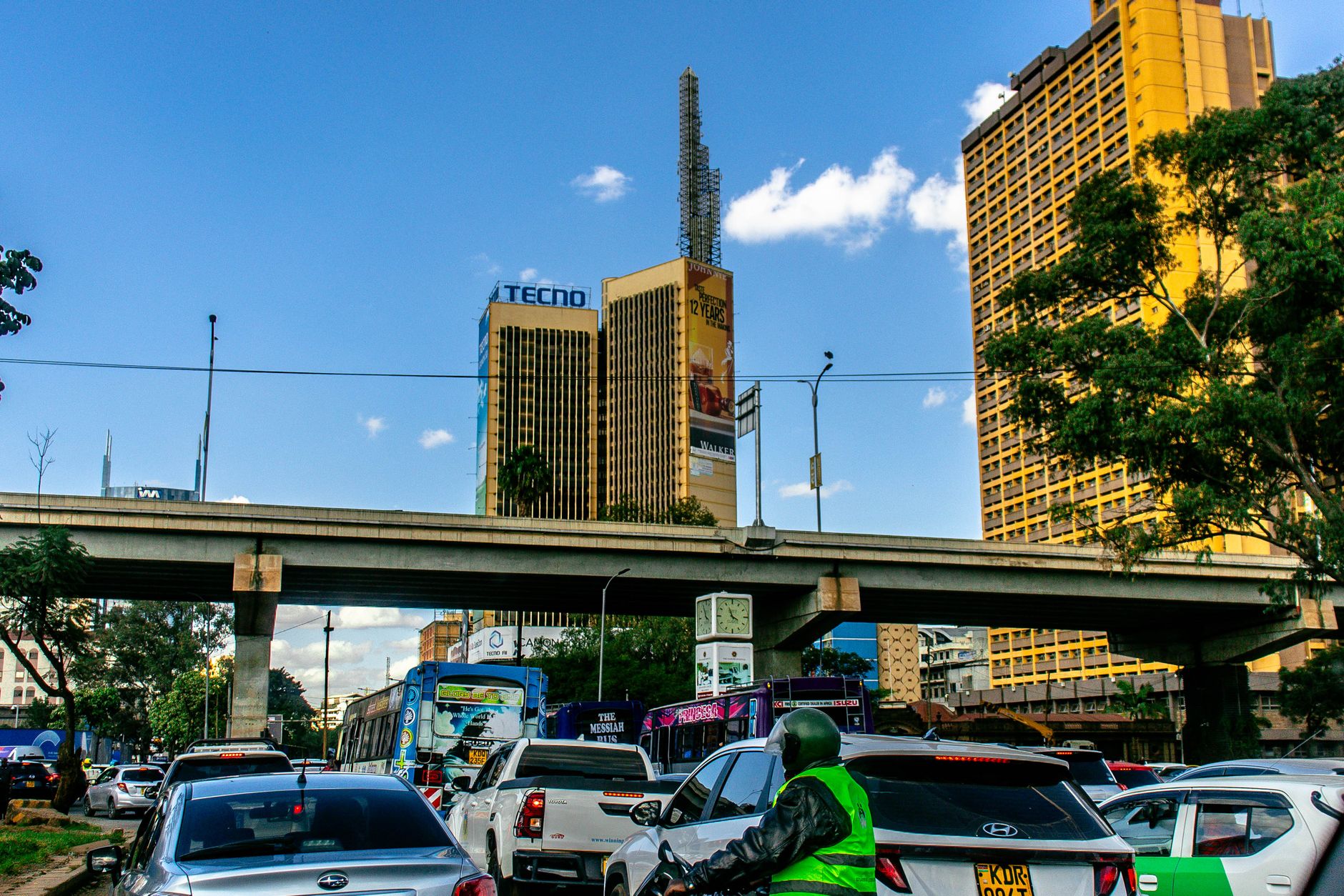
Walk through the bustling corridors of Nairobi's Westlands business district any Tuesday morning, and you'll find export traders huddled in coffee shops, laptops open, wrestling with the same problem: their global supply chains are coming apart.
For Kenya's international trade sector, 2026 has delivered a cascade of headwinds that threaten to unwind years of modest growth. From the Port of Mombasa's congestion challenges to the growing instability rippling across regional partners, traders say the environment has become genuinely precarious.
"Currency swings alone have eaten into margins by 15-20 percent since January," explains one exporter based in the Industrial Area, requesting anonymity. The Kenyan shilling's volatility against major trading currencies has made forward contracts expensive, complicating deals for horticulture and tea exporters who typically operate on thin margins of 8-12 percent.
Regional instability compounds the pressure. Pakistan's military operations near Afghanistan, reports of escalating tensions in the Horn of Africa, and political uncertainty in neighbouring countries have disrupted traditional overland corridors that Nairobi-based traders have relied on for decades. Insurance premiums for goods moving through certain routes have spiked 30-40 percent, according to freight forwarders operating from offices along Mama Ngina Street.
The Port of Mombasa, Kenya's lifeline for containerized trade, remains plagued by inefficiencies. Dwell times for import containers have stretched to 8-10 days—up from the five-day average of 2024. For perishable exporters, this translates directly into losses. Kenya's flower industry alone exports roughly $650 million annually; delays of even 48 hours can render product unsaleable.
Global trade itself is seizing up. Geopolitical tensions involving major economies are fragmenting supply chains, while developing-world instability—from Venezuela's humanitarian crisis to unrest in the Sahel—has redirected shipping routes and increased logistics costs across the board.
Nairobi's Chamber of Commerce reports that member inquiries about trade finance and hedging products have doubled year-on-year. Small and medium exporters, who collectively account for roughly 40 percent of Kenya's non-traditional exports, lack the capital reserves to absorb these shocks.
The Kenya Revenue Authority has also tightened customs procedures in response to global security concerns, adding further friction to port operations. While necessary, compliance costs have risen sharply for smaller traders.
For now, Nairobi remains East Africa's undisputed business hub. But without decisive action on port efficiency and regional cooperation, trade competitiveness risks slipping into reverse.
This article was compiled by AI from the sources linked above and screened before publishing. See our editorial standards.