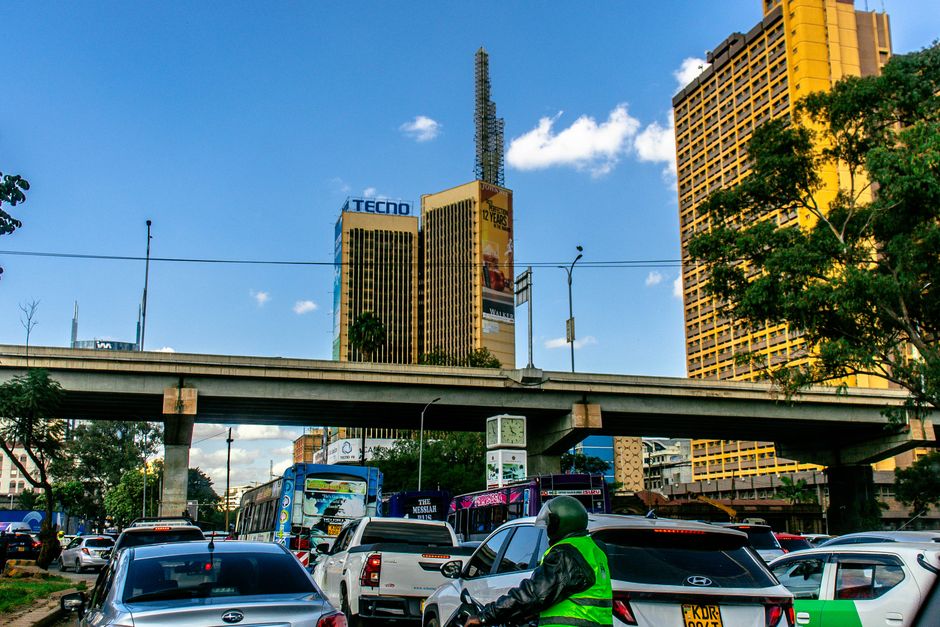
The coffee traders huddled in the corridors of the East African Coffee Traders Association building on Mombasa Road are grappling with a reality far more complex than the morning bean prices posted on their screens. For Nairobi's international trade sector—long a pillar of the city's economy—2026 is shaping up to be a year of unprecedented headwinds that threaten to derail growth projections and test even the most resilient exporters.
Currency instability tops the list of concerns. The Kenyan shilling has experienced wild swings against major trading currencies, making it increasingly difficult for exporters to lock in margins or commit to long-term contracts. Horticulture exporters, who ship over $1 billion in cut flowers, fruits, and vegetables annually to European markets, are particularly vulnerable. A trader at the Kenya Flower Council estimates that currency volatility has already eroded 3-5 percent of profit margins this quarter alone—money that previously cushioned against operational risks.
But currency woes are only part of the picture. Geopolitical fractures that seemed distant now feel unavoidably close. Tensions in the Middle East have disrupted shipping routes critical to Nairobi's logistics networks, pushing freight costs upward and creating bottlenecks at the Port of Mombasa. For manufacturers in the Industrial Area and along Westlands, these delays translate directly into missed delivery windows and frustrated international buyers increasingly willing to source elsewhere.
The regulatory landscape is shifting too. New trade agreements—some bilateral, others multilateral—are being negotiated with little clear outcome, leaving importers and exporters uncertain about tariff structures and compliance requirements. The Kenya Private Sector Alliance reports that uncertainty around trade policy is prompting businesses to delay expansion plans that would have otherwise driven job creation across the city's commercial hubs.
Supply chain fragmentation adds another layer of complexity. The era of simple, linear supply chains has ended. Companies that once routed goods through straightforward corridors now navigate multiple competing pathways, each with different costs, regulatory burdens, and reliability profiles. For Nairobi's trading firms, this demands greater sophistication and risk management expertise—resources not equally available across the sector.
Perhaps most troublingly, global demand itself is softening. Consumer spending in developed markets, where Kenya ships much of its high-value exports, is cooling. This isn't a temporary dip but a sustained reorientation of spending patterns that threatens order books and inventory levels across sectors from textiles to electronics.
Nairobi's traders aren't passive victims. Many are investing in diversification, exploring new markets in Asia and Africa. But the margin for error has narrowed considerably. The question facing the sector isn't whether challenges exist—they visibly do—but whether businesses can adapt quickly enough to stay ahead of them.
This article was compiled by AI and screened before publishing. See our editorial standards.