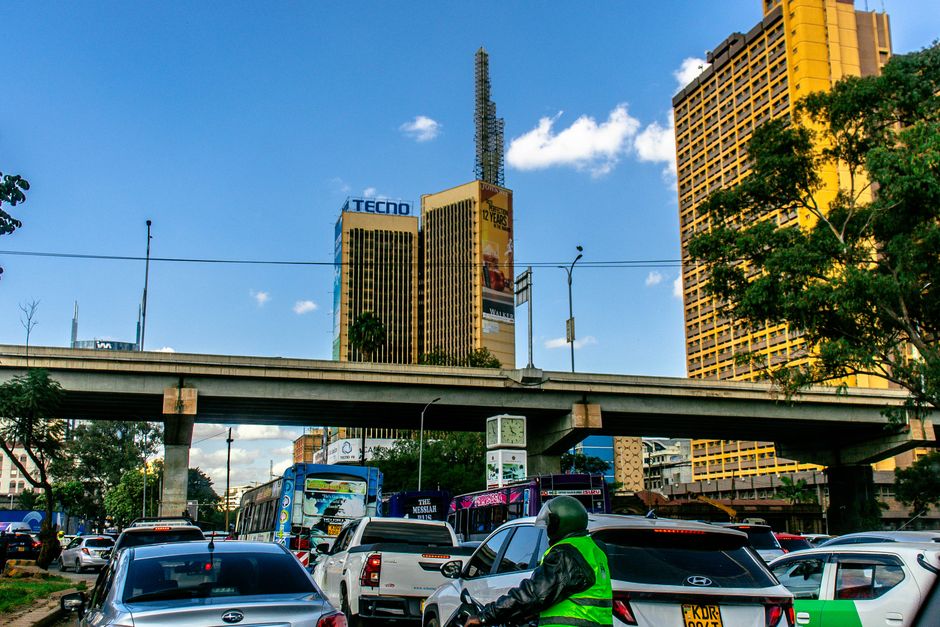
Nairobi Office Market Transforms: Hybrid Work Reshapes Demand and Costs
Hybrid work, rising construction costs, and changing tenant preferences are reshaping how companies approach real estate decisions in Kenya's capital.
Hybrid work, rising construction costs, and changing tenant preferences are reshaping how companies approach real estate decisions in Kenya's capital.

Listen to this article · 3:48
Nairobi's commercial property market is undergoing a significant realignment. After years of steady expansion, office space demand is becoming more selective, with businesses reassessing their footprint needs as remote and hybrid working arrangements take root across the continent.
The numbers tell a compelling story. Available office space in prime locations—particularly around Nairobi's Golden Triangle spanning Upper Hill, Westlands, and the Central Business District—has crept upward to approximately 18-20% vacancy rates in Grade A buildings, up from historical averages of 12-14%. This shift reflects broader workforce changes that hit harder than many anticipated.
"Companies are no longer rushing to lock in five-year leases for sprawling open-plan layouts," observes the commercial property sector in Nairobi. Instead, tenants are gravitating toward flexible arrangements and smaller, tech-enabled spaces. Riverside, which has positioned itself as a mixed-use innovation hub, and the emerging developments along Thika Road are capturing interest from firms seeking modern amenities without long-term commitments.
Rental pricing reflects this transition. Premium office space in Westlands currently ranges between $25-35 per square metre monthly for top-tier properties, but secondary locations in areas like Parklands and parts of the CBD are seeing downward pressure. Landlords are increasingly offering rent abatement periods and improved tenant fit-out contributions to secure occupants.
Construction costs remain elevated—steel and cement prices have stabilised but sit 15-20% above pre-pandemic levels—dampening new speculative development. This supply constraint paradoxically supports owners of existing premium stock, though it limits options for companies seeking newer, greener buildings aligned with environmental, social and governance standards.
The hospitality and tourism sectors, traditionally significant office tenants, remain cautious. This hesitation ripples through service providers and consultancies dependent on that activity. Conversely, financial services, technology firms, and e-commerce operators continue expanding, with some relocating to purpose-built facilities offering enhanced connectivity and collaborative spaces.
For businesses navigating this moment, the advice is clear: flexibility is currency. Negotiate shorter lease terms where possible, prioritise locations with genuine infrastructure investment backing them, and assess whether hot-desking or collaborative workspace arrangements align with your team's actual requirements. The days of signing decade-long leases for traditional office buildings are fading.
Nairobi's commercial real estate market is correcting toward sustainability. Companies that adapt their space strategies to match genuine working patterns—rather than outdated assumptions—will find themselves positioned advantageously as the market stabilises.
This article was compiled by AI and screened before publishing. See our editorial standards.
How does this story make you feel?
Spread the word
About this article
Published by The Daily Nairobi
Daily brief
Free, in your inbox before 7am. Weekdays.
More in Business