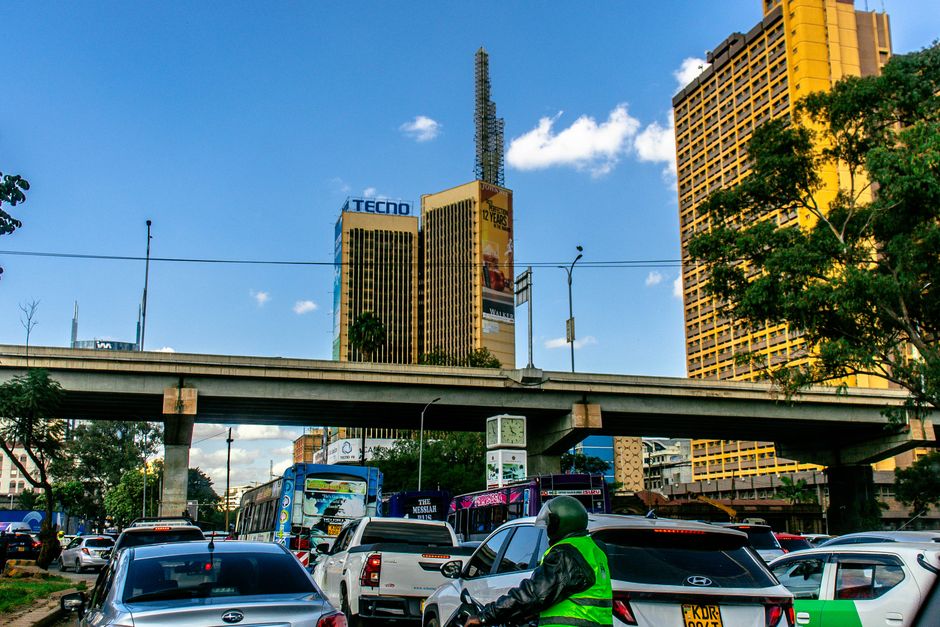
The Nairobi business community faces a paradoxical moment as headline inflation figures improve, yet the underlying pressures on corporate balance sheets remain acute. Data from the Central Bank of Kenya shows inflation cooling to single digits for the first time in months, a development that has sparked cautious optimism among traders and entrepreneurs clustered along Kimathi Street and in the industrial zones of Eastleigh and Industrial Area.
However, beneath the surface, market fundamentals tell a more complex story. The shilling's volatility against major currencies continues to hammer import-dependent sectors, from manufacturing to retail. Business operators in Westlands report that dollar conversion costs have added 8-12 percent to their operational expenses over the past quarter, compressing already-thin margins. For small and medium enterprises scattered across South B, Kilimani, and Karen, the forex headwinds pose an existential challenge.
Interest rates remain stubbornly elevated. The Central Bank's monetary policy stance, while gradually moderating from peak levels, keeps borrowing costs high for firms seeking working capital or expansion finance. Equity valuations on the Nairobi Securities Exchange reflect this caution, with investor appetite concentrated in established blue-chip stocks and away from speculative positions. Real estate in prime office districts like Upper Hill and along State House Avenue continues to command premium rents, yet transaction volumes have softened as corporate tenants reassess their physical footprints.
For businesses operating in Nairobi's competitive landscape, the immediate priorities are clear. Cash flow management has become paramount. Companies that locked in long-term contracts during the higher inflation period now enjoy relative advantages, while those dependent on frequent price adjustments face customer resistance. Sector rotation is evident: fast-moving consumer goods firms are gaining relative strength as households trade down, while luxury retail and hospitality venues in areas like Muthaiga and Riverside struggle with reduced discretionary spending.
Investment banking sources across the CBD suggest that M&A activity remains subdued, with buyers focusing on distressed assets rather than strategic growth acquisitions. Foreign direct investment, once a growth driver, has softened as international investors reassess emerging market exposure amid broader geopolitical uncertainties.
The path forward requires vigilance. Businesses must hedge currency exposure, maintain robust liquidity buffers, and resist the temptation to overextend based on improving inflation data alone. Market stability, while gradually strengthening, remains fragile—and Nairobi's enterprises that plan conservatively will weather the transition ahead most effectively.
This article was compiled by AI and screened before publishing. See our editorial standards.