Nairobi Fashion Design Industry: From Tailors to Global Brands
Discover how Nairobi's fashion design scene evolved from informal tailoring hubs to a global force. Learn the story of local designers building Africa's creative economy.
Discover how Nairobi's fashion design scene evolved from informal tailoring hubs to a global force. Learn the story of local designers building Africa's creative economy.
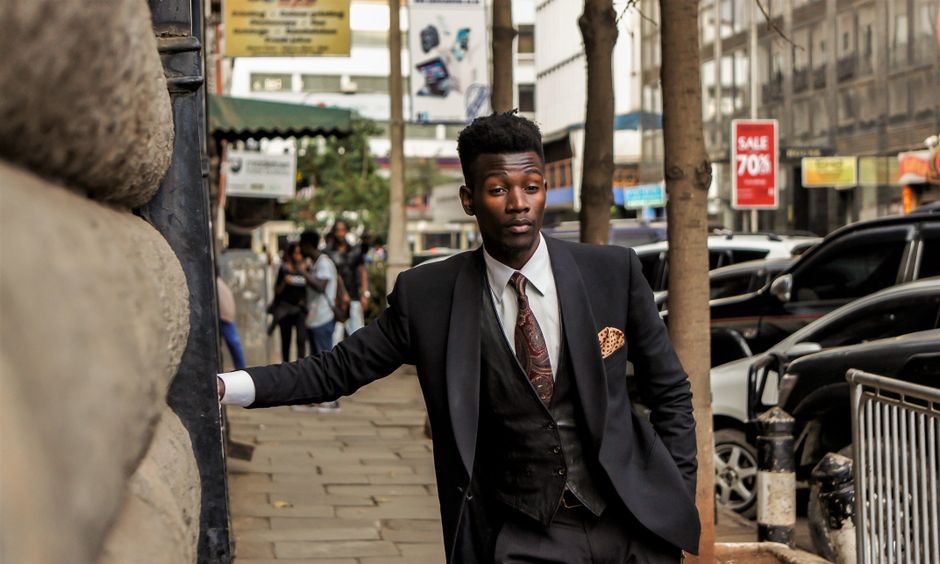
Walk down Biashara Street today and you'll see something unthinkable twenty years ago: design studios with polished storefronts, young creatives working with boutique fabric suppliers, and the quiet hum of a mature creative ecosystem. Nairobi's fashion design industry didn't arrive fully formed. It was built, painstakingly, by tailors who became designers, by vendors who became entrepreneurs, and by a city that learned to value its own creative labour.
The roots run deep into the informal sector. Throughout the 1990s and early 2000s, tailoring clusters in Eastleigh and around Tom Mboya Street were where most Nairobians sourced their clothes. These weren't fashion houses—they were survival economies. But within them, something shifted. A new generation of tailors began experimenting with cuts, colours and silhouettes that spoke to Nairobi's specific aesthetic: a blend of Kenyan textile traditions, pan-African pride, and contemporary urban sensibility.
The turning point came in the mid-2010s when institutional support arrived. The Kenya Fashion Council, founded in 2010, began curating Nairobi Fashion Week and professionalising the sector. By 2018, the event attracted international buyers and media, positioning local designers on a continental stage. Today, the creative industries contribute an estimated 2-3% to Kenya's GDP, with fashion as one of its fastest-growing components.
Neighbourhoods transformed alongside the industry. Westlands and Upper Hill now house design studios alongside tech startups. Karen and Langata became home to luxury ateliers catering to East Africa's growing affluent class. Meanwhile, Kibera and South B emerged as incubation zones where emerging designers operate from converted residential spaces, keeping overhead costs between 15,000-30,000 shillings monthly—crucial for young talent.
What distinguishes Nairobi's scene isn't merely production. It's storytelling. Designers like those showcased at Prestige Artisan Market and emerging names at local pop-ups blend Maasai beadwork with contemporary tailoring, reimagine kitenge fabrics for global markets, and create pieces that refuse Western fashion hegemony. International retailers now stock Nairobi-made collections; young creatives command five-figure commissions.
Yet challenges persist. Access to quality materials, limited export infrastructure, and competition from fast fashion still constrain growth. Training remains concentrated in private institutions, limiting social mobility within the industry.
Still, the transformation is undeniable. From Biashara Street's informal workshops to Nairobi Fashion Week's international stages, the city's designers have written themselves into Africa's creative future—not as imitators, but as innovators defining what African fashion means.
This article was compiled by AI and screened before publishing. See our editorial standards.
How does this story make you feel?
Spread the word
About this article
Published by The Daily Nairobi
Daily brief
Free, in your inbox before 7am. Weekdays.
More in culture