Threads of Identity: How Fashion Design Is Redefining Nairobi's Creative Soul
From Kibera's emerging ateliers to River Road's textile revolution, the city's fashion ecosystem is becoming the engine of cultural pride and economic possibility.
From Kibera's emerging ateliers to River Road's textile revolution, the city's fashion ecosystem is becoming the engine of cultural pride and economic possibility.
Listen to this article · 3:43
Walk through the cobbled lanes of Westlands on a Friday evening and you'll encounter something that would have seemed impossible a decade ago: Nairobi's fashion industry has stopped asking for permission and started demanding attention. The creative sector now contributes an estimated 4.2% to Kenya's GDP, with fashion design at its pulsing centre—and the city itself has become the narrative.
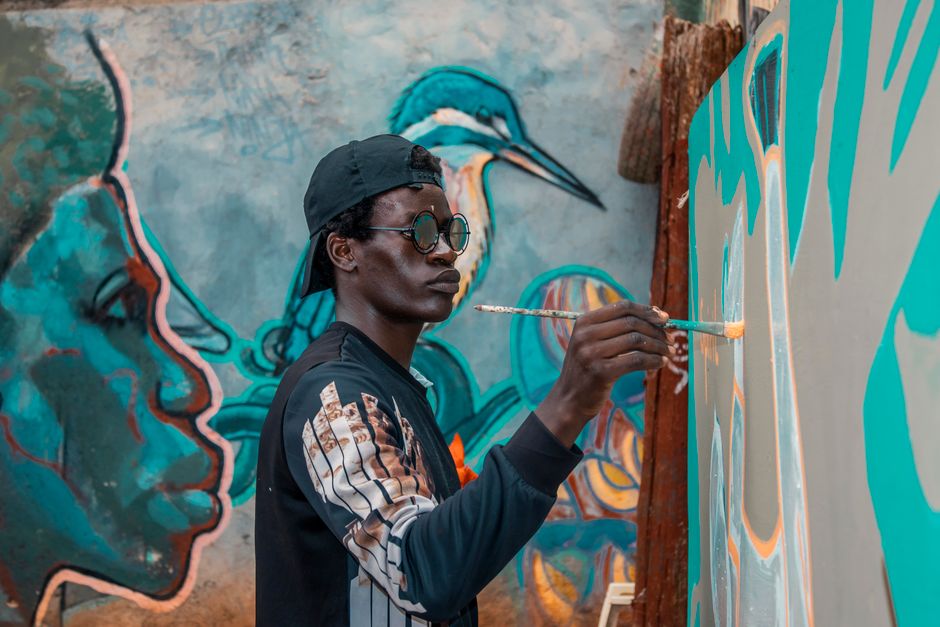
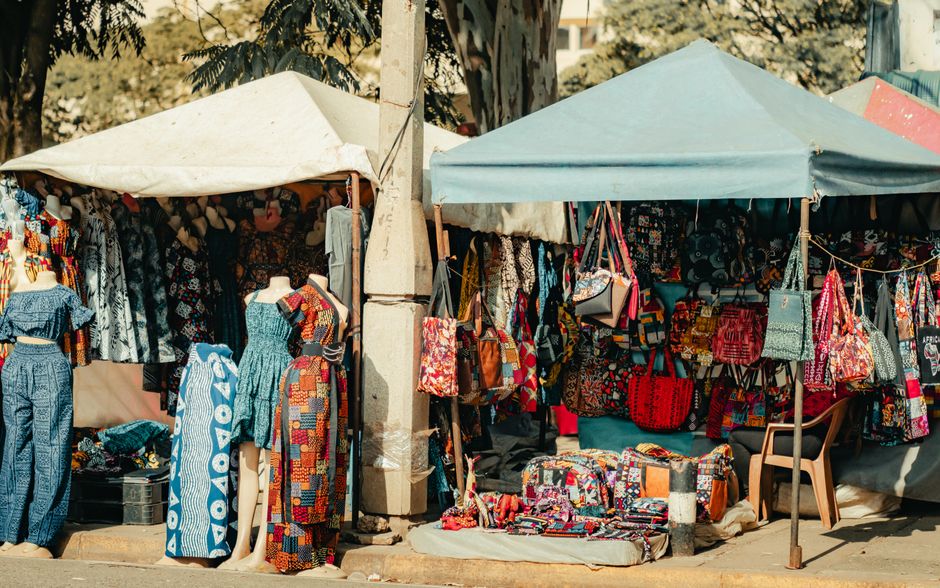
The transformation is visible in unlikely places. In Kibera, design collectives like those operating from converted shipping containers are producing collections that sell across three continents. On River Road, textile merchants who once dealt exclusively in imports now commission local designers to create signature prints. The Karen neighbourhood has evolved into a hub of independent boutiques, while Nairobi West hosts maker spaces where young designers prototype sustainable collections from reclaimed materials.
What distinguishes this moment is not merely economic. Fashion here has become a language for expressing what it means to be Nairobian in 2026—young, globally connected, yet deeply rooted. Designers are mining local textile traditions, urban street culture, and the city's complex social landscape to create work that resonates far beyond East Africa. A leather jacket from a Nairobi atelier carries different weight than one from elsewhere; it tells a story about craft, place, and aspiration.
The infrastructure supporting this creativity has matured significantly. Institutions like the Kenya Fashion Council have formalized industry standards, while platforms such as the Nairobi Fashion Week—held twice yearly—now attract buyers and media from across the globe. Educational pathways have expanded too; design schools report a 67% increase in applications over the past three years, with tuition ranging from 120,000 to 450,000 Kenyan shillings annually for accredited programmes.
Yet sustainability challenges persist. Access to capital remains uneven, with most designers bootstrapping or relying on informal lending circles. Supply chain vulnerabilities affect production timelines, and intellectual property protection remains patchy. Still, the creative appetite is undeniable. Young Nairobians see fashion not as aspiration toward external standards but as a tool for self-determination.
What's emerging is a cultural confidence. The city's fashion identity is no longer derivative but generative—setting trends rather than following them. When international media covers Nairobi's design scene, they're no longer documenting emerging talent; they're documenting a creative force that has already arrived. For a city navigating rapid urbanization and global pressures, fashion has become a mirror reflecting who Nairobi is choosing to become.
This article was compiled by AI and screened before publishing. See our editorial standards.
How does this story make you feel?
Spread the word
About this article
Published by The Daily Nairobi
Daily brief
Free, in your inbox before 7am. Weekdays.
More in culture