Walk into any buzzing establishment along River Road or venture into the converted warehouses of Westlands these days, and you'll notice something shifting in Nairobi's cultural DNA. The city's food and beverage scene is no longer simply a place to eat; it has become the primary stage where creative expression, entrepreneurial ambition, and cultural dialogue are unfolding.
This transformation reflects a city in motion. According to recent surveys by the Kenya Hospitality Association, the fine dining and casual food sectors have grown by 34 percent over the past three years, with independent venues—not international chains—driving this expansion. Young Nairobi entrepreneurs are opening restaurants not just to serve food, but to tell stories about identity, sustainability, and community.
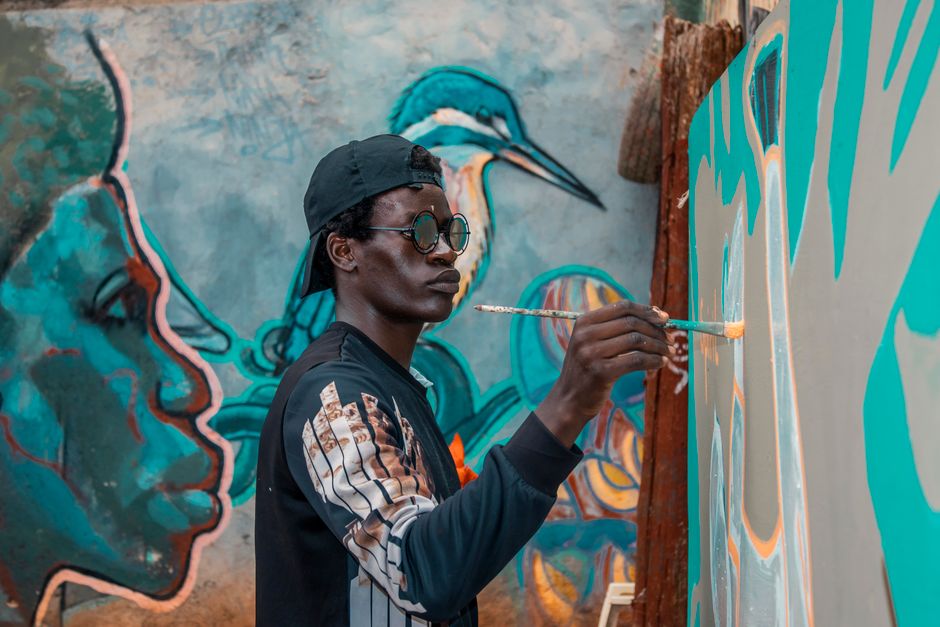
Take the proliferation of farm-to-table concepts across Karen and Lavington, or the surge in East African fusion dining in Kilimani. These aren't arbitrary trends. They represent a deliberate reclamation of local narratives in spaces historically dominated by colonial-era establishment dining. A craft beer bar in Hurlingham might feature local artists weekly. A supper club in Southlands could double as a platform for emerging musicians. The boundaries between restaurant, gallery, and cultural venue have blurred entirely.
The numbers tell part of the story: average meal costs in mid-range independent venues range from KES 1,200 to KES 2,800, making Nairobi's food culture accessible to the creative class driving it. This pricing sweet spot has allowed younger audiences—artists, writers, designers, tech workers—to claim these spaces as their own, transforming them into informal cultural hubs where ideas circulate as freely as cocktails.
What makes this moment distinct is intentionality. Venue owners are explicitly curating experiences that reflect Nairobi's multicultural reality and its evolving tastes. Restaurants in Parklands showcase regional Kenyan cuisines previously relegated to home kitchens. Bars in Upper Hill host listening parties for local musicians. Food festivals across the city—from pop-ups in Nairobi West to night markets in Industrial Area—have become genuine cultural events, not mere commerce.
For a city often defined externally through political headlines or development metrics, Nairobi's food and beverage renaissance offers something rarer: a space where the city defines itself. Through menus, ambiance, and community, restaurants and bars are answering the question: who is Nairobi becoming? The answer, increasingly, is a city that values creativity, locality, and conversation—one meal at a time.
This article was compiled by AI and screened before publishing. See our editorial standards.