Walk through Westlands on a Friday night and you'll find it impossible to avoid the pulse of live entertainment. Yet five years ago, Nairobi's music venue landscape was fragmented, underfunded, and struggling to retain local talent. Today, the city has transformed into a hub where artists stay, audiences gather, and a new cultural identity is crystallizing—one stage at a time.
The numbers tell part of the story. According to the Kenya Music Festival Association, Nairobi now hosts over 40 dedicated live music venues, up from roughly a dozen in 2021. Capacity ranges from intimate 200-seat clubs in Karen and Kilimani to large-format spaces like the Kasarani Sports Complex, which regularly accommodates 5,000-plus concert-goers. Monthly footfall across these venues has reached an estimated 150,000 attendees, generating approximately KES 2.8 billion in direct revenue annually.
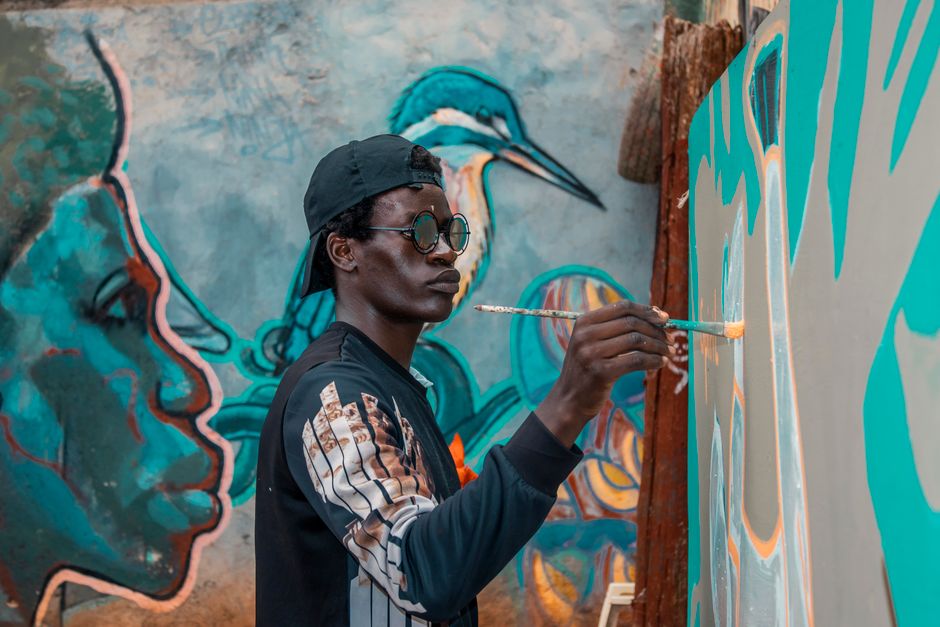
But economics alone don't capture what's happening culturally. Venues scattered across the city's geography—from the Ngong Road corridor south to Rongai's emerging creative quarter—have become anchors for neighbourhood identity. In Kilimani, underground hip-hop collectives use basement spaces to incubate experimental sounds. Along Mombasa Road, Afrobeats nights attract crowds that reflect Nairobi's demographic diversity. Eastleigh's live music cafes have become unexpected cultural institutions, blending Somali, Ethiopian, and Kenyan musical traditions in ways that wouldn't exist without these dedicated spaces.
This decentralization matters. Unlike previous eras when live music concentrated in a handful of hotel ballrooms, today's venue ecosystem empowers local musicians to build sustainable careers without leaving the city. Artists like contemporary jazz ensembles and electronic producers once forced to seek opportunities in Lagos or Johannesburg now find audiences and income at home. The ripple effects extend to sound engineers, promoters, security staff, and hospitality workers—a creative economy with real jobs.
The venues are also attracting international recognition. Major African touring acts now include Nairobi stops on their itineraries, with concert promoters citing the city's infrastructure and growing audience sophistication. Regional music industry conferences increasingly feature Nairobi panels on venue management and artist development.
Yet challenges remain. Licensing inconsistencies, noise complaints from residential areas, and uneven investment across neighbourhoods create friction. Some venues in Eastlands struggle with basic amenities that Westlands counterparts take for granted, reflecting broader city inequities.
Still, what's unmistakable is this: Nairobi is no longer borrowing its cultural identity from elsewhere. Through these concert halls and clubs, the city is authoring its own story—one performance at a time.
This article was compiled by AI and screened before publishing. See our editorial standards.